
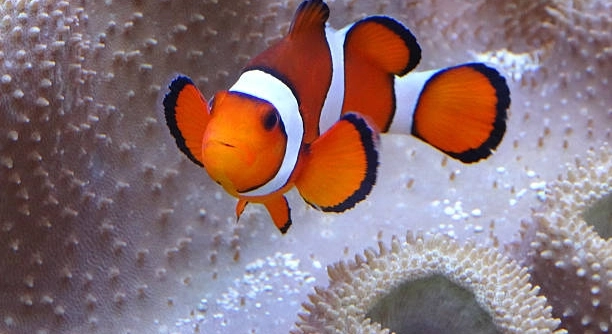
Clownfish are popular in home aquariums due to their bright colors and lively behavior. Like all fish, they can experience stress, which affects their health and wellbeing. Recognizing signs of stress early is important for their care and survival.
Stress in clownfish can show through changes such as loss of color, erratic swimming, hiding, reduced appetite, rapid breathing, fin damage, and increased aggression. Identifying these symptoms quickly allows for timely intervention to improve their environment and health.
Knowing these signs will help you keep your clownfish healthy and happy. The following information will guide you in spotting stress and taking the right steps to fix it.
Loss of Color and Fading Appearance
When a clownfish begins to lose its bright coloration, it is often a sign of stress. This fading can result from poor water quality, improper lighting, or illness. The colors of clownfish are usually vibrant and distinct, so any dulling or bleaching should be noticed immediately. Stress reduces their immune system, making them more vulnerable to infections. To help, regularly test the water parameters such as pH, ammonia, nitrite, and nitrate levels. Proper lighting that mimics their natural environment also plays a key role in maintaining their vivid colors. If you see fading, start by checking these conditions and adjusting as needed. Sometimes, adding live plants or proper hiding spots can reduce stress and help color return. Avoid sudden changes in temperature or water chemistry, as clownfish are sensitive to fluctuations that can impact their appearance.
Consistent water quality and lighting support a healthy, colorful clownfish. This simple maintenance can prevent color loss due to stress.
A bright, vibrant clownfish indicates good health. Keeping the aquarium stable and clean is essential to prevent fading and support recovery if color loss occurs. Regular observation helps catch changes early. Adjusting water conditions and reducing stress factors will encourage your clownfish’s colors to return. Proper diet with nutrients that promote pigmentation also supports their appearance. Overall, a calm, stable environment is key for keeping their natural colors bright and strong.
Erratic Swimming and Hiding Behavior
Erratic swimming or sudden hiding is a common stress response in clownfish.
Such behavior often results from overcrowding, aggressive tank mates, or poor water conditions. Clownfish may dart nervously, bump into objects, or retreat frequently, which shows they feel unsafe or uncomfortable. Observing their movement patterns gives clues about their wellbeing. Reducing stress involves providing enough space and peaceful companions, as well as ensuring the tank environment mimics natural conditions with plenty of hiding places. Monitoring water quality is also crucial, since pollutants can trigger unusual behavior. Correcting these factors helps calm the fish and restore normal swimming habits.
Providing adequate space and peaceful companions is important to reduce stress-induced erratic swimming. Proper tank setup can improve your clownfish’s comfort and behavior.
Erratic swimming and hiding behaviors usually stem from environmental stressors. Overcrowding in the tank causes competition and fear, making clownfish behave nervously. Aggressive tank mates can intimidate them, pushing them to hide. Poor water quality, including high ammonia or nitrate, disrupts their health and causes unusual movement. To fix this, maintain water cleanliness with regular changes and filtration. Separate aggressive fish or provide more space to ease tension. Adding coral or caves allows clownfish to retreat safely, lowering stress levels. By improving the tank environment and social conditions, clownfish regain calmness, swim normally, and display their natural confidence. Monitoring their behavior regularly helps catch issues early and maintain their wellbeing.
Reduced Appetite
Loss of appetite in clownfish often signals stress or illness. When fish stop eating or eat less, it affects their strength and immune system. This behavior should not be ignored, as it may lead to further health problems if untreated.
Stress, poor water quality, or disease commonly cause reduced appetite. Changes in water temperature or chemistry can disturb their natural feeding habits. Overcrowding or aggressive tank mates can also make clownfish too nervous to eat. It’s important to observe feeding times and amounts carefully. If a fish consistently refuses food, checking the tank conditions and isolating the affected fish may be necessary. Providing a varied diet rich in nutrients encourages better eating habits and supports recovery.
In some cases, parasites or infections reduce appetite. Treating these requires proper diagnosis and medication. Increasing feeding frequency with smaller portions can help stimulate appetite. Monitoring behavior alongside feeding patterns helps determine if the problem is environmental or health-related. Prompt action can prevent weight loss and restore normal feeding.
Rapid Breathing and Gill Movement
Rapid breathing or heavy gill movement is a clear sign of stress or poor oxygen levels in the tank. Clownfish under stress breathe faster to compensate for lack of oxygen.
This condition may be caused by insufficient aeration, poor water circulation, or high levels of toxins like ammonia. Poor water quality forces clownfish to work harder to get oxygen. Temperature fluctuations also reduce dissolved oxygen, making breathing difficult. Improving aeration with air stones or filters increases oxygen availability. Regular water changes reduce harmful chemicals. Observing breathing patterns daily helps identify issues early and prevent long-term damage.
Stress, disease, or overcrowding can also cause rapid breathing. Providing proper tank conditions and reducing stressors will improve gill function and overall fish health.
Fin Damage and Fraying
Fin damage is often a sign of stress or injury in clownfish. Torn or frayed fins reduce swimming ability and expose the fish to infections.
This damage can result from aggressive tank mates, rough decorations, or poor water quality. Prompt action is needed to prevent worsening.
Increased Aggression
Stress can cause clownfish to become more aggressive toward tank mates. This behavior often disrupts the tank’s balance and creates tension.
Aggression may stem from overcrowding, lack of hiding spaces, or competition for food. Reducing these stressors helps calm their behavior.
How to Fix Stress in Clownfish
Improving tank conditions is essential to reduce stress. Regular water testing, maintaining stable temperature, and cleaning the tank help create a healthy environment. Providing hiding spots reduces fear and aggressive behavior. Avoid overcrowding by limiting the number of fish in the tank. Feeding a balanced diet supports immune health. Monitoring water flow and aeration ensures adequate oxygen. If illness is suspected, isolate affected fish and consider treatment. Keeping a consistent routine minimizes sudden changes that can stress clownfish. Small adjustments in care often lead to significant improvements in fish wellbeing.
Summary of Key Steps
Maintaining clean water, proper tank mates, and a stress-free environment helps clownfish stay healthy. Regular care prevents stress-related issues.
FAQ
What causes stress in clownfish?
Stress in clownfish can be caused by several factors including poor water quality, overcrowding, aggressive tank mates, sudden changes in temperature, and inadequate diet. Environmental stressors like improper lighting or lack of hiding places also contribute. Identifying and addressing these causes is key to maintaining healthy clownfish.
How do I improve water quality for clownfish?
Improving water quality involves regular testing and monitoring of parameters such as pH, ammonia, nitrites, and nitrates. Perform frequent partial water changes, clean the filter regularly, and avoid overfeeding to prevent waste buildup. Using a reliable filtration system and ensuring good water circulation are also important for maintaining a stable environment.
Why is my clownfish hiding all the time?
Clownfish may hide when they feel threatened or stressed. Overcrowding, aggressive tank mates, or poor water conditions can cause them to seek shelter. Providing adequate hiding spots such as coral or caves helps reduce anxiety and makes them feel safer.
What should I feed my clownfish to keep them healthy?
A balanced diet including high-quality pellets, flakes, and frozen or live foods like brine shrimp or mysis shrimp is ideal. Feeding small amounts multiple times a day encourages regular eating habits and supports their immune system.
Can temperature changes stress clownfish?
Yes, clownfish are sensitive to sudden temperature fluctuations. Keeping the tank temperature stable between 74°F and 79°F is important. Using a reliable heater and thermometer helps avoid stressful temperature swings.
How do I know if my clownfish is sick?
Signs of illness include loss of color, rapid breathing, fin damage, reduced appetite, and unusual behavior such as erratic swimming or hiding. Early detection and treatment improve the chances of recovery.
What can I do if my clownfish is aggressive?
Aggression often results from stress or competition. Reducing overcrowding, separating aggressive fish, and adding more hiding places can calm their behavior. Ensuring they have enough food also reduces competition.
Is it necessary to quarantine new fish?
Quarantining new fish before introducing them helps prevent the spread of disease. It allows you to monitor for signs of illness and treat problems early.
How often should I clean the tank?
Regular cleaning involves partial water changes weekly or biweekly, removing uneaten food and waste, and cleaning the substrate. This helps maintain water quality and reduces stress.
Can stress cause physical changes in clownfish?
Yes, stress can cause fading color, fin fraying, and weight loss. These physical changes indicate the fish is unwell and needs attention to its environment or health.
Clownfish are vibrant and active fish that add life to any aquarium. However, like all living creatures, they can experience stress that affects their health and behavior. Recognizing the signs of stress early is essential to keeping clownfish healthy. Whether it is a loss of color, unusual swimming patterns, or reduced appetite, these symptoms signal that something in their environment needs attention. Stress can weaken their immune system, making them more vulnerable to illness. By paying close attention to their behavior and physical condition, it is possible to prevent many common problems.
Maintaining a stable and clean environment is the best way to reduce stress in clownfish. Regular water testing, proper filtration, and consistent temperature control are important steps to ensure good water quality. Overcrowding and aggressive tank mates often cause stress, so providing enough space and peaceful companions helps create a calm atmosphere. Adding hiding places, such as coral or rocks, allows clownfish to retreat and feel safe when they are anxious. Feeding a balanced diet with nutritious food also supports their overall health and resilience. Small changes in care can make a significant difference in their wellbeing.
Taking care of clownfish requires ongoing observation and effort. Stress is often a sign that something is not right, and addressing the cause quickly is important. Keeping a routine for feeding, cleaning, and monitoring water conditions helps avoid sudden changes that could upset the fish. If illness is suspected, prompt treatment and isolation of the affected fish may be necessary. Understanding how to recognize and fix stress signs ensures that clownfish remain healthy and display their natural colors and behavior. Proper care creates an environment where these fish can thrive for years.

Hello,
If you enjoy the content that we create, please consider saying a "Thank You!" by leaving a tip.
Every little bit helps us continue crafting quality advice that supports the health, happiness, and well-being of pets around the world, for pets of all shapes, sizes, and species.
We really appreciate the kindness and support that you show us!