
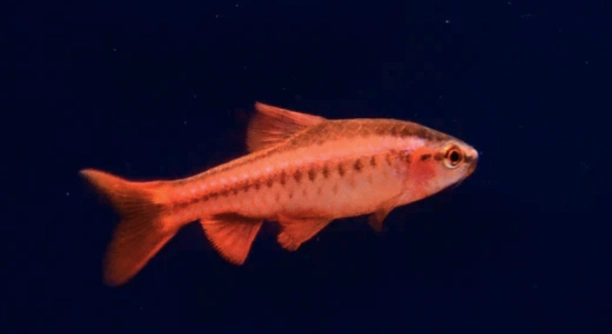
Introducing a new cherry barb into your aquarium can be exciting, but it can also bring stress for the fish. It’s important to recognize the signs early on to ensure their health and well-being. Stress in fish is common after introduction to a new environment, so being observant is key.
The most common signs of stress in newly introduced cherry barbs include changes in swimming patterns, loss of appetite, hiding, rapid gill movement, color fading, lethargy, and unusual behavior. Identifying these symptoms early helps prevent more serious health issues.
Understanding these stress indicators will help you provide the right care to your cherry barb, ensuring it adjusts well and thrives in its new home.
Changes in Swimming Patterns
When a newly introduced cherry barb is stressed, its swimming behavior will often change. Normally, cherry barbs are active and playful, but stress can cause them to swim erratically or even stay in one spot. They may swim near the tank’s surface or constantly dart back and forth. This behavior is a clear sign that something is not quite right. Fish that are stressed are often disoriented and might struggle to adjust to their new surroundings. It’s essential to watch for these changes as they can help in determining if the fish is under stress or adjusting normally.
Stress can also cause the cherry barb to hide more frequently. If your fish has suddenly stopped exploring the tank and stays in corners or behind plants, this could indicate anxiety or discomfort in its new environment. It’s important to provide a safe and calm space for your fish during this transition.
In the wild, fish are often exposed to predators, so they hide to stay safe. In an aquarium, hiding can be a reaction to stress. Ensure that the environment is not too chaotic or overly populated. This will help the fish feel more secure, allowing it to come out and explore freely. If the cherry barb doesn’t settle in after a few days, you may want to check the water quality, temperature, and tankmates. These factors often play a significant role in a fish’s behavior.
Loss of Appetite
A stressed cherry barb might lose interest in food. This is often one of the first signs of stress.
Lack of appetite can lead to further health complications. Ensure you’re feeding them high-quality, fresh food and keep the tank calm, as stress and environmental factors can affect their eating habits. If they refuse to eat for extended periods, it could indicate that something needs attention.
Rapid Gill Movement
One of the main indicators of stress in cherry barbs is rapid gill movement. This can happen when the fish is struggling to breathe properly due to poor water quality or a sudden change in temperature. It’s a natural response to an environment that feels unsafe or uncomfortable. If you notice the gills moving quickly or the fish gasping for air, it could signal that your cherry barb is under stress.
This issue could be related to the oxygen levels in the tank or water conditions. When the tank is overcrowded or the filtration system is inadequate, oxygen can become scarce, leading to rapid gill movement. Checking the water parameters and ensuring that there’s proper filtration can help alleviate this problem. Additionally, making sure the tank isn’t too warm is crucial. Cherry barbs prefer slightly cooler water, and high temperatures can cause breathing difficulties.
If this behavior persists, it may be time to perform a partial water change to improve oxygen levels. Monitoring your fish closely will help you address any stressors before they become more serious health concerns.
Color Fading
Color fading is another common sign that your cherry barb is stressed. Cherry barbs are known for their vibrant red and orange hues, but when stressed, they may lose their bright colors and appear dull or pale.
Several factors can cause this. Poor water quality, inadequate diet, and high stress levels from tankmates or changes in the environment all play a role. Sometimes, color fading can indicate that the fish is struggling with a health issue such as parasites or illness. It’s important to rule out these possibilities by observing other signs of stress or discomfort, like changes in behavior or appetite.
Providing a calm and stable environment, along with offering a balanced diet rich in nutrients, can help the cherry barb regain its vivid coloration. Additionally, ensuring the water parameters are correct, including pH and temperature, will promote a healthy and stress-free environment for the fish. If the fading persists despite these adjustments, a visit to an aquarium specialist may be necessary to assess any underlying health concerns.
Lethargy
Lethargy is a common sign of stress in cherry barbs. If your fish is swimming less and staying still for long periods, it may be stressed or not feeling well. Cherry barbs are normally active, so a sudden decrease in movement is a cause for concern.
Lethargy can also be a result of poor water conditions or an unsuitable environment. A drop in temperature, changes in pH, or dirty water can cause the fish to become inactive. If the fish doesn’t show interest in its surroundings or food, stress or illness is likely the cause.
Unusual Behavior
Cherry barbs typically have a calm and social demeanor, so any odd behavior is usually a red flag. If they start behaving erratically, like constantly swimming in circles or darting frantically, it’s a sign of distress.
This could be linked to aggression from other fish or an unstable environment. Stress affects their usual behavior patterns, making them more vulnerable to injury or illness. Watching their interactions with other tankmates will help you identify if there is a problem in the tank dynamic.
FAQ
What can cause stress in a newly introduced cherry barb?
Several factors can cause stress in a cherry barb when it’s first introduced to an aquarium. Poor water quality, temperature fluctuations, or aggressive tankmates can make the fish feel unsafe. A sudden change in its environment, such as new decorations or an unfamiliar tank setup, can also contribute. Cherry barbs are sensitive to water changes, so it’s essential to keep the parameters stable and gradual when introducing them to a new tank.
How do I know if my cherry barb is stressed?
Signs of stress in a cherry barb include changes in swimming patterns, loss of appetite, hiding, color fading, rapid gill movement, and lethargy. If the fish is acting unusually, staying in corners or at the top of the tank, and showing signs like gasping or pale coloration, it’s likely stressed. Paying close attention to these behaviors helps you determine the health of the fish.
Can cherry barbs live with other fish?
Yes, cherry barbs are peaceful fish and can live with other species, as long as the tankmates are not overly aggressive. They tend to do well in community tanks with other peaceful species. However, make sure the tank size is large enough to accommodate all the fish and avoid overcrowding. Aggressive fish or species that are too large may cause stress to the cherry barb.
What is the ideal water temperature for cherry barbs?
Cherry barbs thrive in water temperatures between 72°F and 78°F (22°C to 25°C). Keeping the water within this range will ensure your fish stay active and healthy. If the temperature fluctuates too much, it can cause stress. Using a reliable aquarium heater will help maintain a consistent temperature.
How can I reduce stress in my cherry barb?
To reduce stress, ensure the tank water quality is optimal. Test the water regularly for pH, ammonia, nitrites, and nitrates. Make gradual changes to the tank to avoid shocking the fish. Provide plenty of hiding spots, plants, and soft lighting to create a calm environment. Additionally, make sure your cherry barb isn’t being bullied by other tankmates.
Is it normal for a cherry barb to lose color when stressed?
Yes, it is normal for cherry barbs to lose color when stressed. Stress can cause a cherry barb’s vibrant red or orange hues to fade and become dull. The color loss is usually temporary and will improve once the fish is no longer stressed. However, if the fish remains pale for an extended period, you should check for other underlying health issues.
How long does it take for a cherry barb to adjust to a new tank?
Cherry barbs generally need about 2-3 days to adjust to a new tank, but this can vary depending on the environment and how the introduction was handled. Gradual acclimation to the new water conditions is crucial for their well-being. If the stress continues for longer than a week, the water quality or tankmates may need to be reassessed.
Why is my cherry barb staying at the top of the tank?
Cherry barbs may stay at the top of the tank when they are stressed or struggling with water quality issues, like low oxygen levels or poor filtration. This behavior can also occur if the water temperature is too high or the fish are having difficulty breathing. You should check the water parameters and ensure that the tank is well-oxygenated.
How do I know if my cherry barb is sick or just stressed?
Sick cherry barbs can show similar signs to stressed ones, such as lethargy and loss of appetite. However, sick fish may also exhibit other symptoms like lesions, abnormal swimming, or visible parasites. If your fish shows any unusual markings, swelling, or difficulty swimming, it’s best to isolate the fish and seek advice from an aquarium specialist.
Can water changes help reduce stress in my cherry barb?
Yes, water changes can help reduce stress by improving the overall water quality. Regular water changes remove toxins and ensure that your cherry barb is living in a clean and stable environment. However, avoid making drastic changes to the water, as rapid shifts in parameters can cause more stress. Perform gradual water changes to maintain consistency.
Should I feed my cherry barb differently if it’s stressed?
When a cherry barb is stressed, its appetite might decrease. It’s important to offer high-quality food that is easy to digest. Try feeding smaller portions more frequently, and avoid overfeeding. A varied diet with live or frozen food can encourage your cherry barb to eat when it’s stressed. However, don’t force feed the fish as it can worsen the situation.
How can I tell if my cherry barb is stressed due to other fish?
If other fish are being aggressive towards your cherry barb, you may notice it hiding more often, darting around, or swimming in a defensive posture. Aggressive tankmates can cause stress by chasing or nipping at the cherry barb. Monitor interactions carefully, and consider adding more hiding places or separating overly aggressive fish.
What should I do if my cherry barb is stressed but eating?
If your cherry barb is eating but still showing signs of stress, focus on stabilizing the tank’s environment. Check the water parameters, and ensure that the tank is not overcrowded. Reducing stressors such as loud noises, high traffic, or aggressive tankmates can help your cherry barb feel more secure.
Can cherry barbs live in a tank with high lighting?
While cherry barbs don’t necessarily require low lighting, bright lighting can stress them out. They prefer a more subdued, peaceful environment with plants or decorations that offer hiding spots. If the lighting is too bright, it can make them feel exposed and lead to stress. You can try dimming the light or placing plants in the tank to create a more natural habitat.
Final Thoughts
Stress in newly introduced cherry barbs can be a challenge, but it’s something that can be managed with the right care. Recognizing the early signs of stress is important because it allows you to address the issue before it leads to more serious problems. By monitoring their behavior, such as changes in swimming patterns, loss of appetite, or rapid gill movement, you can quickly determine if something is wrong. Cherry barbs are relatively resilient fish, but they do need a stable and calm environment to feel secure. With proper attention, they can adjust to their new tank and return to their active and vibrant selves.
Taking the time to provide the proper tank conditions, including maintaining clean water and a suitable temperature range, will go a long way in preventing stress. Adding plants and hiding spots to the aquarium can also help make your cherry barb feel more secure. Additionally, it’s essential to check on their interactions with other fish. Stress can sometimes be caused by aggressive tankmates, and it’s important to create a peaceful community tank. By ensuring that the tank is properly balanced, your cherry barb can enjoy a stress-free environment.
Remember, it’s not uncommon for fish to experience some stress during the transition period to a new home. However, by observing their behavior, ensuring proper care, and addressing any environmental factors that may be contributing to the stress, you can help your cherry barb settle in comfortably. If you take the necessary steps and remain patient, your cherry barb will likely thrive and bring life to your aquarium. Taking care of your fish means paying attention to their needs and creating a peaceful environment for them to grow and adapt to their new home.

Hello,
If you enjoy the content that we create, please consider saying a "Thank You!" by leaving a tip.
Every little bit helps us continue crafting quality advice that supports the health, happiness, and well-being of pets around the world, for pets of all shapes, sizes, and species.
We really appreciate the kindness and support that you show us!