
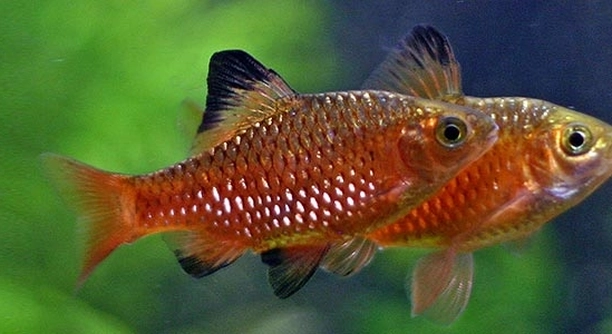
Rosy barbs are popular freshwater fish often kept in groups for their lively social behavior. Observing their interactions can reveal signs when something is off in their community. Understanding these signs helps maintain a healthy tank environment.
Social trouble in rosy barb groups can be identified by aggressive chasing, fin nipping, hiding behavior, uneven feeding, isolated individuals, changes in color, and stress-related physical symptoms. Recognizing these signs early supports better care and group harmony.
Knowing these signs will help you create a peaceful and thriving environment for your rosy barbs. Paying attention to their behavior ensures they stay happy and healthy together.
Aggressive Chasing and Fin Nipping
Aggressive chasing is one of the first signs that social trouble is brewing in a rosy barb group. When a few fish start chasing others relentlessly, it creates stress and disrupts the balance. This behavior often leads to fin nipping, where fish bite the fins of their tank mates. Fin damage can cause infections and make the affected fish weaker. It’s important to watch for this behavior early because it usually means the tank is overcrowded or the fish are stressed from poor water conditions. Providing enough space and hiding spots helps reduce aggression. Sometimes, introducing new fish abruptly without quarantine can trigger these behaviors as well. Regular tank maintenance and observation can prevent chasing and fin nipping from escalating into serious health problems.
Fin nipping is more than just playful behavior; it can cause lasting harm. Identifying and managing aggression early is essential for keeping your rosy barbs healthy and calm.
Reducing stress through clean water, proper feeding, and adequate space is key to stopping aggressive behavior. Rearranging tank decorations to break sightlines can also help. Sometimes, separating the most aggressive fish temporarily can calm the group. Monitoring interactions closely will guide you on when action is needed.
Hiding and Isolation
Hiding and isolation are clear signs that a rosy barb is not feeling secure within its group. A fish that suddenly stays hidden for long periods or separates itself from the others might be stressed, sick, or bullied. This behavior reduces its access to food and social interaction, worsening its health. It’s important to check water quality and ensure the fish has places to hide comfortably without fear of constant harassment. Sometimes, a shy fish needs extra care or a calmer tank setup to feel safe. Isolation can indicate deeper issues, so observing the group dynamics helps identify if a particular fish is being excluded or targeted. Addressing the root cause can restore harmony and prevent long-term damage.
Isolation often signals stress or illness, which requires prompt attention to prevent worsening conditions.
Fish that hide frequently may need a quieter environment or a reduction in tank population. Improving water conditions and adding plants can offer secure spots that reduce anxiety. Avoid sudden changes in lighting or temperature, as these increase stress. If bullying is the issue, rearranging the tank or separating the fish can help. Healthy social groups rely on balance, so watching for isolation is important for maintaining group health.
Uneven Feeding Behavior
Uneven feeding happens when some rosy barbs eat more than others. This can be a sign of social stress or bullying. Fish that are pushed away during feeding may become weak or malnourished, which affects their health and growth.
When some fish dominate the food, the less aggressive ones often struggle to get enough. This behavior can cause imbalance in the group and lead to weaker fish falling behind in development. Overfeeding or feeding in one spot can worsen the problem, so spreading food evenly helps. Observing feeding patterns regularly shows if any fish are being left out. Adjusting feeding methods, such as using multiple feeding spots, can improve fairness and reduce stress during meal times.
Ensuring all fish receive enough nutrition is essential to maintain health. If feeding issues persist, it may be necessary to separate aggressive feeders or increase the number of hiding places to reduce competition.
Color Changes and Stress Signs
Color changes in rosy barbs often indicate stress or illness. Fish may lose their bright colors, become pale, or develop dark patches. These changes suggest the environment or social situation is not ideal.
Stress reduces the immune system’s effectiveness, making fish more prone to disease. Poor water quality, bullying, or overcrowding are common causes. Regular water testing and tank cleaning can help prevent stress. Watch for other signs such as clamped fins, erratic swimming, or lack of appetite alongside color changes. Taking quick action by improving tank conditions or adjusting the social group helps restore their natural colors and wellbeing. Maintaining a calm and clean environment encourages healthy behavior and vibrant colors in rosy barbs.
Isolated Individuals
Isolated rosy barbs often show signs of stress or illness. They stay apart from the group and may hide more than usual. This behavior impacts their overall health and social interactions.
Isolation can also mean bullying is happening. When one fish is targeted, it may avoid others to stay safe. This creates an unhealthy group dynamic.
Stress-Related Physical Symptoms
Physical symptoms such as torn fins, spots, or unusual swelling are clear signs of stress in rosy barbs. These signs often result from bullying, poor water quality, or infections. Regular observation and water testing help catch problems early. Treatment and improving tank conditions support recovery and prevent further damage.
Overcrowding Effects
Overcrowding increases stress and aggression in rosy barb groups. It limits swimming space and access to food, causing competition and social tension. Adequate tank size and proper stocking levels reduce these issues, promoting a healthier, more balanced environment.
Changes in Behavior
FAQ
What causes aggression in rosy barb groups?
Aggression in rosy barb groups usually comes from overcrowding, lack of hiding places, or poor water quality. When fish feel stressed or threatened, they chase and nip at each other. Sudden changes like adding new fish without quarantine can also upset the group balance and lead to fights. Keeping the tank clean, providing enough space, and adding plants or decorations helps reduce aggression.
How can I tell if my rosy barbs are stressed?
Signs of stress include color fading, hiding often, fin damage, uneven feeding, and unusual behavior like erratic swimming. Stress weakens their immune system, making them more prone to disease. Regular observation and maintaining good water conditions are key to spotting stress early and preventing health problems.
Why do some rosy barbs hide more than others?
Hiding is a natural response to stress, illness, or bullying. A fish that hides often may feel unsafe or weak. Providing plenty of hiding spots and checking for aggressive tank mates can help shy or stressed fish feel secure. Sometimes a sick fish will hide to protect itself until it recovers.
What should I do if my rosy barbs are fin nipping?
Fin nipping usually happens when fish are stressed or overcrowded. To reduce it, increase tank size or reduce the number of fish. Adding plants and decorations can break sightlines and provide hiding places. Feeding the fish well and spreading food evenly also helps lower aggression during feeding times.
How important is tank size for rosy barbs?
Tank size is very important. Rosy barbs are active swimmers and need enough space to move freely. Overcrowded tanks increase stress and cause aggressive behavior. A minimum of 30 gallons is recommended for a small group, but bigger tanks are better for their wellbeing and social balance.
Can I keep rosy barbs with other fish?
Yes, but it’s important to choose compatible tank mates. Rosy barbs are peaceful but active, so they do well with other medium-sized, non-aggressive fish. Avoid slow or long-finned species that might be targets of fin nipping. Introducing new fish slowly and monitoring interactions helps keep peace.
How do I improve feeding behavior in my rosy barb group?
Feeding behavior improves by offering food in several spots to reduce competition. Use quality flakes or pellets designed for tropical fish. Feeding small amounts multiple times a day rather than one large feeding prevents overeating and stress. Watch to ensure shy fish get enough food and adjust feeding if necessary.
What water conditions do rosy barbs need to stay healthy?
Rosy barbs prefer clean, well-filtered water with a temperature between 64°F and 72°F (18°C–22°C). pH should be neutral to slightly alkaline (6.5 to 7.5). Regular water changes and testing prevent harmful buildup of toxins. Stable water conditions reduce stress and keep the fish healthy.
How do I handle isolated fish in my tank?
If a fish is isolated, check for signs of bullying or illness. Improving hiding places and reducing aggressive behavior helps. If needed, separate the isolated fish temporarily to allow recovery. Observing tank dynamics carefully can prevent long-term social problems and keep the group balanced.
What are the signs of illness in rosy barbs?
Signs include faded colors, clamped fins, sluggish swimming, loss of appetite, white spots, swelling, or torn fins. Early detection and treatment are vital. Quarantining new fish and maintaining good water quality help prevent disease outbreaks in your tank.
Rosy barbs are lively and colorful fish that can bring a lot of joy to an aquarium. However, keeping them in a healthy and balanced group takes some attention and care. Social trouble can happen easily if their environment is not right. Watching how they interact and spotting early signs of stress or aggression is very important. When problems arise, addressing them quickly can prevent harm and help maintain a peaceful tank. Simple steps like keeping the water clean, providing enough space, and making sure all fish get food go a long way in supporting their wellbeing.
One of the biggest challenges with rosy barbs is managing their social behavior. They are active and sometimes a bit rough with each other, which can lead to chasing, fin nipping, or isolating weaker fish. These behaviors usually signal something is off with the tank setup or fish group. Overcrowding, poor water quality, or lack of hiding spots often cause tension. It is important to create a safe environment with plenty of room and places for fish to retreat. Being patient and observant will help you notice small changes before they become bigger issues. Taking time to learn their normal behavior makes it easier to know when something is wrong.
Keeping rosy barbs healthy and happy requires ongoing care and attention. Regular water tests, tank cleaning, and watching how fish behave are all part of good fishkeeping. Sometimes changes like rearranging decorations, adjusting feeding routines, or separating aggressive fish may be needed. While it can feel tricky at times, the effort helps build a better home for your fish. In return, you get to enjoy their bright colors and lively swimming. A calm, well-maintained tank means your rosy barbs can thrive together and live longer, healthier lives.

Hello,
If you enjoy the content that we create, please consider saying a "Thank You!" by leaving a tip.
Every little bit helps us continue crafting quality advice that supports the health, happiness, and well-being of pets around the world, for pets of all shapes, sizes, and species.
We really appreciate the kindness and support that you show us!