
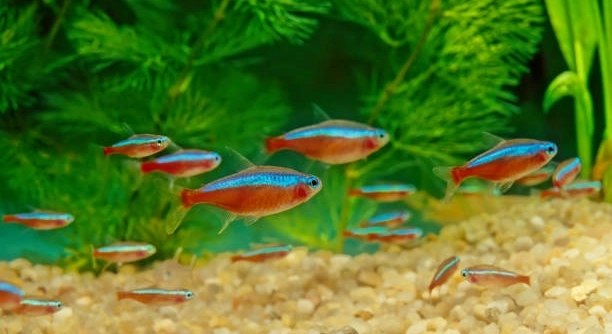
Maintaining a healthy environment for your neon tetras is essential for their well-being. One of the most important factors to monitor is the water quality in their tank. Poor water quality can lead to serious health issues for your fish.
Poor water quality in a neon tetra tank is often indicated by cloudy water, unpleasant odors, stressed fish, or abnormal behavior. Elevated ammonia, nitrites, or nitrates can create toxic conditions, causing significant health risks for the fish.
By recognizing these signs early, you can take steps to improve water conditions. Doing so will help ensure your neon tetras stay vibrant and healthy in their aquatic home.
Cloudy Water
Cloudy water is a common sign of poor water quality in your neon tetra tank. It often occurs when there’s an imbalance in the tank’s nitrogen cycle. This can happen due to overfeeding, inadequate filtration, or high levels of waste. The cloudy appearance is typically caused by an overgrowth of bacteria that feed on excess nutrients in the water. It can also indicate that harmful substances are accumulating in the tank, stressing your fish.
Once you notice cloudy water, it’s important to take immediate action. Start by testing the water for ammonia, nitrites, and nitrates. If the levels are high, do a partial water change to dilute the toxins. Be sure to clean the filter as well. If the problem persists, consider adding a stronger filter or adjusting the tank’s maintenance routine to prevent further issues.
Maintaining clean water is crucial to your neon tetras’ health. Regular water changes, proper filtration, and not overfeeding will help keep the water clear and ensure a healthier environment for your fish.
Unpleasant Odors
Unpleasant odors are often a red flag for poor water quality. If your tank begins to smell, it’s likely due to the accumulation of organic waste and decaying food. When waste is left in the water for too long, it can lead to a build-up of harmful chemicals, like ammonia. These chemicals, in turn, create unpleasant smells that are toxic to your fish.
To address the issue, begin by performing a water change. Remove any uneaten food and debris from the tank and clean the substrate. Test the water to ensure it is within safe levels. You should also check your filtration system to ensure it’s working properly. Properly managing your tank’s cleanliness will eliminate the odor and promote better water quality overall.
These steps will help create a safer, more comfortable environment for your neon tetras. Regular maintenance is the key to avoiding the unpleasant smells that signal poor water quality.
Stressed Fish
If your neon tetras are acting stressed, it could be due to poor water quality. Stress behaviors include hiding, rapid breathing, or erratic swimming. When water conditions are bad, fish can become overwhelmed, affecting their health.
Test the water for harmful chemicals like ammonia or nitrites. These toxins can make the fish feel unsafe and anxious. Additionally, make sure the temperature and pH levels are stable. If necessary, perform water changes to dilute the toxins. Providing a safe and clean environment will reduce stress and help your fish thrive.
Poor water quality can weaken your neon tetras’ immune system, making them more prone to disease. By addressing water issues promptly, you’ll not only reduce stress but also improve their overall health. Keeping a regular maintenance schedule can ensure your fish feel secure and comfortable.
Abnormal Behavior
Abnormal behavior in neon tetras is another indicator of poor water quality. If your fish are acting unusually lethargic, swimming in circles, or staying near the surface, the water could be toxic. Abnormal behavior often signals that something is wrong with the tank’s environment.
First, check the water parameters, such as ammonia, nitrite, and nitrate levels. High levels of these chemicals can make the fish uneasy. Poor water flow or temperature imbalances could also cause strange behavior. If the problem is related to these factors, do a water change and adjust the tank conditions.
If abnormal behavior persists even after a water change, consider reviewing your filtration system and cleaning routine. Consistent water testing and proper tank maintenance will help prevent such behaviors from happening in the future. Keeping the water quality in check will encourage normal, healthy behavior in your neon tetras.
White Spots on Fish
White spots on your neon tetras are a sign of a potential water quality issue. These spots often appear when fish are infected with parasites like Ich, which thrive in poor water conditions. The presence of these spots is a clear signal that the tank’s environment needs attention.
To address this, check the water temperature and ensure it’s not too cold, as this can weaken the fish’s immune system. Test for high ammonia or nitrite levels, which can increase the stress on your fish, making them more susceptible to parasites. Regular water changes can help reduce the levels of harmful substances and improve the overall health of your fish.
Proper maintenance, such as ensuring your filter is functioning well and keeping the tank clean, will help prevent further infections. If the issue persists, consider isolating infected fish and using a treatment to eliminate the parasites.
Faded Coloration
Faded coloration in neon tetras is often a sign of stress or poor water quality. When the water is contaminated with toxins, fish may lose their vibrant colors and appear dull. This can happen when water conditions are unstable, leading to a loss of pigmentation.
The first step is to test the water for high levels of ammonia, nitrites, or nitrates, which can cause stress. If these levels are high, perform a partial water change to dilute the toxins. Regular water testing and proper filtration are essential to prevent this issue.
By improving the tank’s water quality, the tetras’ color should begin to return to normal. Consistent maintenance will keep them healthy and vibrant, ensuring they display their full natural beauty.
Poor Swimming Patterns
If your neon tetras exhibit erratic or slow swimming, it’s often linked to poor water quality. Fish may swim in circles, hover near the surface, or move sluggishly when the water is polluted. These behaviors are signs that something in the tank is making your fish uncomfortable.
Start by checking the water’s ammonia and nitrite levels, as these chemicals are toxic to fish and can cause swimming problems. If the water quality is off, perform a water change and clean the substrate. Regular maintenance and proper filtration are key to keeping water conditions optimal for your fish.
Poor swimming can also be caused by an overcrowded tank or insufficient oxygen. Ensuring proper tank size, water movement, and filtration will promote better health and more natural behavior in your neon tetras.
FAQ
How often should I change the water in my neon tetra tank?
Changing the water in your neon tetra tank is essential for maintaining good water quality. Ideally, perform a partial water change of about 25-30% every 1-2 weeks. If the tank is heavily stocked or if you notice signs of poor water quality, you may need to change the water more frequently. Regular water testing will help you determine when a change is necessary. Ensure you use a water conditioner to treat tap water and match the temperature before adding it to the tank to avoid shocking your fish.
What is the ideal water temperature for neon tetras?
Neon tetras thrive in water temperatures between 72°F and 78°F (22°C to 25°C). Maintaining a stable temperature within this range is crucial for their health. Sudden temperature fluctuations can stress your fish, leading to weakened immune systems and susceptibility to diseases. Invest in a reliable aquarium heater and thermometer to keep the water consistent, especially if the ambient temperature in the room varies. Keep in mind that water temperature is just one aspect of tank care; ensure proper filtration and water quality for optimal health.
Why are my neon tetras swimming at the surface of the tank?
If your neon tetras are frequently swimming at the surface of the tank, it could be a sign that the oxygen levels in the water are low. Neon tetras are sensitive to changes in oxygen levels and will seek oxygen-rich areas. To solve this issue, improve water circulation by adjusting your filter or adding an air pump to increase aeration. Also, make sure that the water parameters, including ammonia and nitrite levels, are within safe limits. If the water quality is poor, it can lead to stress, making the fish seek oxygen closer to the surface.
Can I keep neon tetras in a tank with poor water quality?
Neon tetras are very sensitive to water quality, so keeping them in poor conditions can lead to stress, illness, and even death. It is essential to maintain stable water parameters, including low levels of ammonia and nitrites, and regular maintenance like water changes and cleaning. In poor water quality, neon tetras can lose their color, exhibit abnormal behavior, or become more susceptible to diseases. It’s crucial to monitor water quality closely and act quickly if any signs of poor conditions arise.
What can I do to improve the water quality in my tank?
To improve water quality in your neon tetra tank, you should regularly test the water for ammonia, nitrites, nitrates, pH, and temperature. A proper filtration system is key to keeping the water clean, as it removes waste and harmful chemicals. Perform regular water changes of about 25-30% every 1-2 weeks to dilute toxins. Remove uneaten food and debris from the substrate, and avoid overfeeding, as excess food decomposes and pollutes the water. Installing an air pump can also help increase oxygen levels, which is essential for the overall health of your fish.
How can I tell if my neon tetras are stressed?
Stressed neon tetras often display abnormal behavior, such as hiding more than usual, swimming erratically, or rubbing against objects in the tank. They may also lose their vibrant color or appear lethargic. Stress can be caused by poor water quality, sudden temperature changes, overcrowding, or incompatible tank mates. If you notice your fish exhibiting stress symptoms, test the water quality immediately. Adjusting tank conditions and removing potential stressors will help your neon tetras feel more comfortable and reduce their stress.
What should I do if my neon tetras are showing white spots?
White spots on neon tetras are a common sign of a parasitic infection, such as Ich. This parasite thrives in stressful, poor water conditions. If you notice white spots on your fish, immediately test the water for high ammonia, nitrites, and nitrates. Performing a water change and improving water conditions can help reduce stress and limit the spread of the parasite. You can also use aquarium salt or specific medications to treat the infection, but make sure to follow the instructions carefully. Isolating infected fish can also prevent the spread to others in the tank.
Can neon tetras live in a tank with high ammonia levels?
Neon tetras are very sensitive to high ammonia levels, which can be toxic to them. Ammonia poisoning can cause symptoms like erratic swimming, loss of color, and even death. If you detect high ammonia levels in your tank, it is important to act quickly by performing a large water change and checking the filtration system to ensure it’s functioning properly. Ammonia levels can be reduced by maintaining regular tank maintenance, not overfeeding, and ensuring that your tank has a properly cycled filtration system. Test the water frequently to ensure ammonia stays at safe levels.
How do I know if my filter is working properly?
Your filter should be running smoothly to maintain a healthy environment for your neon tetras. If the water looks cloudy, smells bad, or if you notice poor water circulation, your filter may not be functioning properly. To ensure it’s working well, check the filter media for clogging and clean it regularly according to the manufacturer’s instructions. Make sure the water flow is strong enough to circulate the tank but not too strong, as neon tetras prefer calmer waters. If the filter is older, it may need to be replaced.
What are the signs of poor water oxygen levels?
Low oxygen levels in your neon tetra tank can lead to stress, causing your fish to swim at the surface more often. They may also breathe heavily or show signs of lethargy. If the water oxygen levels are low, it’s often a result of poor water circulation, high temperatures, or overstocking. To address low oxygen, add an air pump, ensure your filter is working correctly, and check for water flow obstructions. Performing water changes can also help replenish oxygen and remove excess toxins in the water.
Final Thoughts
Maintaining good water quality in your neon tetra tank is crucial for their health and well-being. These small fish are very sensitive to changes in their environment, and poor water quality can lead to stress, disease, or even death. By staying on top of water tests, performing regular water changes, and keeping the tank clean, you can create a stable environment that supports the long-term health of your neon tetras. The key is consistency—regular checks and maintenance will help you catch problems early before they affect your fish.
One of the most important things to remember is the balance of water parameters. Ammonia, nitrites, and nitrates should always be monitored to ensure they remain at safe levels. Overfeeding, inadequate filtration, and overcrowding are common causes of poor water quality, so it’s important to avoid these practices. Make sure the tank is the right size for the number of fish you have and that the filter is powerful enough to handle the load. If your fish are showing signs of distress, such as abnormal behavior, faded color, or white spots, it’s a sign that the water conditions need to be addressed immediately.
Lastly, regular maintenance is essential, but it’s equally important to keep an eye on the health of your fish. Observing them daily can help you notice any unusual behaviors or signs of illness early on. By providing your neon tetras with a clean and well-maintained tank, you’ll give them the best chance to thrive. Remember, healthy water means healthy fish, and keeping their environment stable is the best way to ensure their happiness for years to come.

Hello,
If you enjoy the content that we create, please consider saying a "Thank You!" by leaving a tip.
Every little bit helps us continue crafting quality advice that supports the health, happiness, and well-being of pets around the world, for pets of all shapes, sizes, and species.
We really appreciate the kindness and support that you show us!