
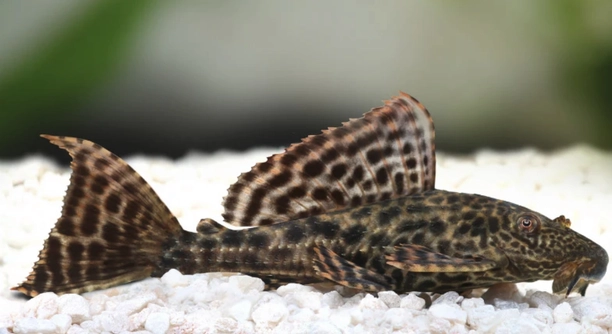
Plecos are popular aquarium fish, but they can be sensitive to water quality. Maintaining clean and healthy water is crucial to their well-being. Knowing the signs of poor water quality is key to keeping your plecos happy.
Signs of poor water quality for plecos include cloudy water, strong ammonia smells, unbalanced pH levels, and visible stress on the fish. Poor water quality can lead to diseases and affect their overall health, making regular checks essential.
Addressing water quality issues early can prevent serious health problems. Ensuring a stable environment will help your plecos thrive, so let’s look at the common signs to watch out for.
Cloudy or Dirty Water
Cloudy water is one of the first signs of poor water quality. It often indicates that the aquarium is full of excess nutrients, bacteria, or algae. This could happen if there’s too much uneaten food or fish waste, or if your filtration system isn’t working well. In extreme cases, cloudy water can even cause the plecos to become stressed. Stress weakens their immune system, making them more prone to diseases. Regular water changes and keeping the filter clean are key to preventing cloudy water. It’s also important to avoid overfeeding your fish and to remove excess food promptly.
Cloudy water can be caused by a number of factors, from overfeeding to a malfunctioning filter. Once the source is identified, taking action immediately can help prevent further problems.
To clear up cloudy water, check your filtration system to make sure it’s running effectively. It may need a good cleaning or an upgrade if it’s not powerful enough for your tank size. Regular water changes can also help clear up the water. If the water remains cloudy despite efforts, test the water quality for ammonia, nitrites, and nitrates. An imbalance in these can be harmful to plecos. If the water tests off, consider using chemical treatments designed to clear cloudy water. Additionally, reducing the amount of light your tank gets may help limit algae growth, another common contributor to cloudy water.
Ammonia or Nitrite Spikes
Ammonia and nitrites are toxic to plecos and other aquarium fish. They can quickly build up in the tank if the biological filtration isn’t working properly. Ammonia usually comes from fish waste, uneaten food, or decaying plants. Nitrites form as part of the nitrogen cycle, but they are harmful in high concentrations. Monitoring ammonia and nitrite levels with test kits is essential to prevent serious health problems. If you notice a spike in either, immediate action is necessary.
Ammonia and nitrite spikes can severely impact plecos’ health. Regular monitoring and maintenance can help keep these toxins in check.
If your plecos are showing signs of stress, like rapid gill movement or unusual swimming patterns, it may be due to high ammonia or nitrite levels. Test the water and take action quickly by performing water changes. If ammonia or nitrites are still high, you might need to use water conditioners or change out larger amounts of water more frequently until the levels stabilize. Be sure to maintain the tank’s biological filter to ensure that the nitrogen cycle runs properly. Adding live plants or upgrading the filtration system may help improve overall water quality. Regular testing and maintenance are crucial to keeping your plecos healthy.
Unstable pH Levels
Plecos are sensitive to pH changes. If the water is too acidic or too alkaline, it can cause stress and health problems for your fish. A stable pH level is essential for plecos to thrive. Regular water testing will help you monitor and adjust the pH level as needed.
If you notice your plecos are behaving unusually, unstable pH could be the issue. A fluctuating pH can weaken their immune system, making them more vulnerable to diseases. To maintain the right pH, use appropriate products like pH buffers, or adjust the water gradually by using distilled water or specialized treatments.
Sudden changes in pH can also cause a condition known as pH shock, which can result in gasping, lack of appetite, or abnormal swimming. It’s important to make gradual adjustments to avoid shocking the plecos. Using a consistent water conditioner can help stabilize the pH over time. Monitoring your water’s hardness (GH and KH levels) is also vital since it impacts pH stability. A steady, balanced environment keeps plecos happier and healthier.
High Nitrate Levels
High nitrate levels are another sign that your water quality is declining. Nitrates form after ammonia and nitrites are broken down in the nitrogen cycle. Although nitrates are less toxic than ammonia and nitrites, they can still harm plecos over time if they reach unsafe levels. High nitrate levels can cause lethargy and poor growth.
To keep nitrate levels in check, regular water changes are important. Aim to change about 20-30% of the water weekly. A good filtration system helps reduce nitrate buildup, but it’s not enough by itself. Live plants also help absorb excess nitrates naturally, improving water quality.
In aquariums with higher fish populations, nitrates can accumulate faster. Overfeeding, improper filtration, and lack of plant life contribute to high nitrate levels. Testing the water regularly for nitrates ensures that you catch any spikes early. If necessary, consider using nitrate-removing products or adding more live plants to help reduce the levels.
Inconsistent Temperature
Plecos are sensitive to temperature changes. If the water is too cold or too hot, they can become stressed or even sick. Maintaining a stable temperature between 74°F and 80°F is key for plecos to stay healthy.
Fluctuating temperatures can weaken their immune system and cause stress, leading to diseases. You should check the tank’s temperature regularly and adjust the heater accordingly. Consistent temperature levels help plecos feel secure and maintain healthy bodily functions.
If the temperature is too low, plecos may become sluggish, or if it’s too high, they may swim erratically. Installing a reliable heater with a thermostat helps keep the water temperature stable. A thermometer will ensure you’re maintaining the right range for your plecos’ comfort.
Poor Filtration
Proper filtration is crucial for a clean and healthy tank. Without it, debris, waste, and harmful chemicals can build up, causing poor water quality. Plecos rely on clean water to thrive.
A strong filter helps break down waste, removes debris, and keeps the water clear. If your filtration system is weak or clogged, the water quality can drop quickly, stressing the plecos. Clean the filter regularly and check if it needs an upgrade.
A good filter suited for the tank size ensures that harmful substances like ammonia and nitrates are kept in check. In addition, it maintains adequate oxygen levels in the water. Regular maintenance of both the filter and tank helps avoid potential problems.
FAQ
What is the ideal water temperature for plecos?
The ideal water temperature for plecos ranges between 74°F and 80°F (23°C to 27°C). Keeping the temperature within this range ensures that plecos remain comfortable and active. If the water temperature goes too low or too high, plecos can become stressed, which might lead to health problems. It’s important to use a reliable heater and thermometer to maintain consistent temperature levels, as fluctuations can cause discomfort and weaken their immune system.
How often should I change the water in my pleco tank?
Water changes are essential to maintain good water quality for your plecos. Aim to change 20-30% of the tank water weekly. This helps to remove excess waste, uneaten food, and chemicals like ammonia and nitrates that build up over time. Regular water changes reduce the chances of water quality issues and prevent harmful toxins from affecting your fish. If you notice the water becoming cloudy or the plecos are showing signs of stress, increase the frequency of water changes.
What should I do if my pleco’s water is cloudy?
Cloudy water usually signals an imbalance in the aquarium, such as overfeeding, poor filtration, or bacteria buildup. To clear it up, check the filtration system to ensure it’s working properly. If it’s clogged or too weak for your tank, it may need cleaning or replacement. Reduce the amount of food you’re offering and remove any uneaten food promptly to avoid excess nutrients. Regular water changes can also help remove debris and restore clarity to the water. If the issue persists, test the water for ammonia, nitrites, and nitrates, as imbalances could contribute to the cloudiness.
How can I prevent ammonia poisoning in my pleco tank?
Ammonia poisoning occurs when ammonia levels in the tank rise too high. To prevent this, make sure you have a strong and efficient filtration system. Regularly test the water for ammonia, nitrites, and nitrates. Perform water changes as needed to keep these levels low. Additionally, avoid overfeeding your plecos, as excess food can break down into ammonia. Ensure proper tank maintenance by cleaning the substrate and filter regularly, and adding live plants can also help absorb some of the ammonia. If ammonia levels are too high, do an immediate water change and consider using a water conditioner to detoxify the water.
What should I do if my pleco shows signs of stress?
Stress in plecos can be caused by poor water quality, unsuitable temperature, or aggressive tankmates. Signs of stress include hiding, loss of appetite, erratic swimming, or a decrease in activity. Check the water for any imbalances, such as high ammonia or nitrites, and perform a water change if necessary. Make sure the water temperature is within the ideal range and the tank is free of strong currents that might be stressing the fish. If the pleco’s tankmates are aggressive, consider moving the pleco to a different tank. Ensuring a calm and clean environment will help reduce stress.
Can plecos live with other fish?
Yes, plecos are generally peaceful fish that can live with other species as long as the tankmates aren’t overly aggressive or territorial. They are bottom-dwellers, so they don’t usually compete for space. However, some larger or more aggressive fish might bully plecos or take up the space they need to thrive. It’s important to consider the size and temperament of other fish before adding them to your tank. Always monitor interactions between plecos and other species to ensure everyone coexists peacefully.
What are the signs of poor water quality in my pleco tank?
Signs of poor water quality include cloudy water, a strong ammonia smell, visible algae growth, or stressed fish. Plecos may show signs like hiding more than usual, gasping at the surface, or swimming erratically. High nitrate or nitrite levels can lead to lethargy, poor appetite, and unusual behavior. Regularly testing water parameters (ammonia, nitrites, nitrates, pH, and temperature) will help you catch any imbalances early. If you notice any of these signs, perform water changes and check your filtration system to improve the water quality.
How do I maintain a stable pH level for my plecos?
Maintaining a stable pH level is vital for plecos. The ideal pH for plecos is between 6.5 and 7.5, but this can vary slightly depending on the species. Test your water regularly to ensure the pH stays within this range. If the pH fluctuates, it could be due to issues like unfiltered waste or the wrong substrate. To correct it, you can use pH stabilizers or gradually add substances like crushed coral or limestone to increase pH, or driftwood to lower it. Avoid making sudden changes to pH, as this can stress your plecos. Regular water changes will also help keep pH levels stable.
Why is my pleco not eating?
A lack of appetite in plecos can be a sign of poor water quality, stress, or illness. Start by checking the water for ammonia, nitrites, or high nitrate levels, which can all cause loss of appetite. Make sure the water temperature is stable and that the tank is not too crowded. Stress from other aggressive fish or poor tank conditions may also affect their feeding behavior. If everything seems fine with the water and the tank environment, and your pleco still isn’t eating, consider offering different types of food, such as algae wafers, vegetables, or meaty foods like shrimp. If the problem persists, consider seeking veterinary advice.
Final Thoughts
Maintaining good water quality for your plecos is crucial to their health and happiness. These fish are sensitive to changes in their environment, and poor water quality can quickly lead to stress or illness. By staying on top of regular water changes, testing water parameters, and keeping your filtration system clean, you can prevent many common issues. It’s also important to monitor the temperature and pH levels in your tank to make sure they stay within the ideal range. This will help create a stable and safe environment for your plecos to thrive in.
It’s easy to overlook some signs of poor water quality, especially if your plecos are still acting normal. But regular checks on water quality can help catch any issues before they become serious. Testing the water for ammonia, nitrites, and nitrates should be done routinely, along with observing the behavior of your plecos. If you notice cloudy water, unbalanced pH levels, or your plecos acting stressed, it’s time to take action. Making small adjustments early on can prevent long-term health problems, saving you time and effort in the future.
Remember that keeping plecos in a healthy environment doesn’t just involve cleaning the tank. It’s about creating a balanced and stable ecosystem. Regular water changes, proper filtration, and maintaining the right temperature and pH are all part of this process. By being consistent with your tank care, you’ll ensure that your plecos remain happy, active, and healthy for a long time. Don’t hesitate to make adjustments or seek advice if something feels off—your plecos will thank you for it.

Hello,
If you enjoy the content that we create, please consider saying a "Thank You!" by leaving a tip.
Every little bit helps us continue crafting quality advice that supports the health, happiness, and well-being of pets around the world, for pets of all shapes, sizes, and species.
We really appreciate the kindness and support that you show us!