
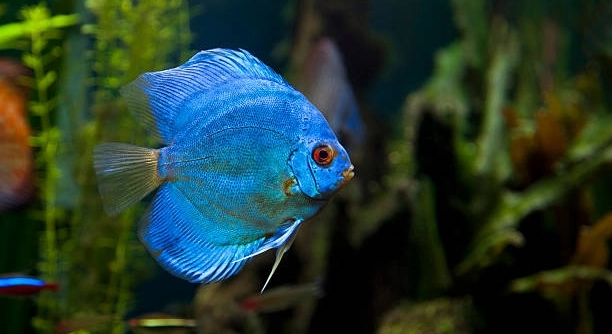
Discus tanks require balanced conditions to keep fish healthy and active. Poor oxygen levels can harm these delicate fish, making their environment stressful and unsafe. Recognizing the signs early helps prevent serious health problems in your tank.
Low oxygen in discus tanks can cause lethargy, rapid gill movement, gasping at the surface, and unusual swimming patterns. These symptoms indicate insufficient oxygen supply, which may lead to stress and increased susceptibility to disease if not addressed promptly.
Identifying these signs quickly is essential for maintaining a thriving discus tank and ensuring your fish stay healthy and comfortable.
Understanding Oxygen Needs in Discus Tanks
Discus fish require well-oxygenated water to thrive. Oxygen dissolves in water and is absorbed by fish through their gills. In a tank, oxygen levels depend on factors like water temperature, surface agitation, and the number of fish. Warmer water holds less oxygen, so discus tanks need proper temperature control to avoid low oxygen. Overcrowding also reduces oxygen availability because more fish use up the supply faster. Poor water circulation can cause oxygen to become unevenly distributed, leading to dead spots where fish struggle to breathe. Regular water changes and maintaining good filtration help keep oxygen levels stable. Adding air stones or surface agitation can improve oxygen exchange between air and water. Understanding these basics helps create a healthier environment where discus can live comfortably and grow strong.
Oxygen demand varies, so monitoring and adjusting tank conditions is essential to meet discus fish needs.
Proper care ensures your discus enjoy good oxygen supply, reducing stress and preventing health issues.
Common Signs of Low Oxygen in Discus Tanks
Fish that lack oxygen often show subtle but clear behaviors. You may notice your discus gasping near the water surface more frequently than usual. This happens because oxygen is more abundant near the surface, and fish try to get as much as they can. Another sign is rapid gill movement, which means the fish are working harder to breathe. Lethargy and reduced swimming activity are also common. They may stay near the filter outlet where water is better oxygenated or hide more than usual. Sometimes, discus will swim erratically or lose their balance. If ignored, these signs can lead to weakened immune systems and make the fish more vulnerable to infections or diseases. Recognizing these signs early is key to acting quickly and preventing damage.
By paying attention to these behaviors, you can protect your discus and maintain a healthy tank environment.
Changes in Color and Appetite
Discus fish experiencing low oxygen often show duller colors. Their vibrant hues fade as stress impacts their health. Along with color changes, appetite usually decreases. Fish may refuse food or eat much less than normal.
When oxygen levels drop, the fish’s metabolism slows down. This causes reduced energy and less interest in feeding. A lack of appetite can lead to weight loss and weaken the fish over time. If this goes unnoticed, your discus could become more prone to illness. Keeping an eye on their eating habits and color brightness helps you catch oxygen problems early. Acting fast can restore their health and prevent further issues.
Feeding less can be a sign of many problems, but combined with color changes, it often points to oxygen stress. Watching these signs closely is important.
Erratic Swimming and Surface Gasping
Erratic swimming behavior often signals low oxygen in discus tanks. Fish may swim irregularly, bump into objects, or seem disoriented. They might also stay near the surface gasping for air. This is because surface water contains more oxygen.
Gasping at the surface is a clear indicator that the fish are struggling to get enough oxygen. This behavior stresses the fish and affects their overall health. Erratic swimming can also increase injury risk, as the fish might collide with tank decorations or glass. These signs show the fish’s environment needs immediate attention. Fixing oxygen levels quickly can help restore normal behavior and improve well-being. Monitoring your discus for these movements allows you to intervene before problems worsen.
Gills Turning Pale
When oxygen is low, discus fish gills often become pale or lighter in color. Healthy gills should be bright red due to good blood flow. Pale gills indicate poor oxygen circulation and stress.
This change means the fish aren’t getting enough oxygen to their blood. It’s a clear physical sign that something is wrong in the tank’s environment. Checking gill color regularly can help catch problems early.
Increased Breathing Rate
Discus fish increase their breathing rate when oxygen levels drop. They open and close their gills faster to absorb more oxygen.
This faster breathing stresses the fish and can lead to exhaustion if not fixed. Watching for this sign helps detect low oxygen before serious damage occurs.
Clustering Near Filters or Air Stones
Discus often gather near areas with better oxygen, like filters or air stones. These spots provide more oxygen-rich water.
If you notice your fish crowding these places, it usually means oxygen is low elsewhere in the tank. This behavior is a strong sign that improvements are needed to maintain healthy oxygen levels.
FAQ
How do I test oxygen levels in my discus tank?
Testing oxygen levels usually requires a dissolved oxygen (DO) meter or test kit. These devices measure the amount of oxygen dissolved in the water. DO meters provide quick, accurate readings and are easy to use. Test kits involve chemical reagents and color changes to estimate oxygen levels. Regular testing helps you track changes and ensure your tank stays within safe oxygen ranges. It’s a good idea to test oxygen after water changes, temperature shifts, or adding new fish. Keeping oxygen in the ideal range supports discus health and prevents stress.
What oxygen level is safe for discus fish?
Discus fish do best in water with oxygen levels around 6 to 8 mg/L (milligrams per liter). Levels below 5 mg/L can cause stress and health problems. Maintaining stable oxygen within this range keeps discus active and healthy. Sudden drops in oxygen can shock fish, so avoid rapid changes. Proper tank maintenance, such as regular water changes and good aeration, helps keep oxygen steady. Monitoring temperature also matters since warmer water holds less oxygen.
Can plants help increase oxygen in discus tanks?
Yes, live plants can improve oxygen levels by producing oxygen through photosynthesis. During the day, plants release oxygen into the water, which benefits fish. However, plants also consume oxygen at night, so balance is important. Too many plants or poor water circulation can reduce oxygen at night. Using moderate plant growth combined with good aeration ensures oxygen stays sufficient 24/7. Plants also improve water quality by absorbing nitrates, which indirectly supports fish health.
What causes low oxygen in discus tanks?
Low oxygen can result from high water temperature, overcrowding, poor water circulation, or dirty filters. Warm water holds less oxygen, making temperature control critical. Overcrowded tanks use oxygen faster than it’s replaced. Without enough surface agitation or filter flow, oxygen exchange slows. Excess organic waste also reduces oxygen as bacteria break down debris. Keeping tank conditions balanced and clean helps prevent low oxygen problems.
How can I increase oxygen quickly in my discus tank?
To raise oxygen fast, increase surface agitation by adjusting your filter flow or adding an air stone. Air stones create tiny bubbles that boost oxygen exchange. Partial water changes with fresh, oxygen-rich water also help. Lowering the tank temperature slightly can improve oxygen solubility. Avoid overfeeding and clean filters regularly to reduce waste buildup. Acting quickly prevents prolonged stress for your discus.
Is low oxygen harmful to discus fish long-term?
Yes, low oxygen over time weakens discus immune systems and causes chronic stress. This makes fish more prone to diseases and infections. Prolonged oxygen deficiency can stunt growth, cause weight loss, and increase mortality rates. Maintaining proper oxygen levels is essential to prevent these issues and keep discus thriving.
Can adding too many air stones cause problems?
Too many air stones can create excessive bubbles, disturbing fish and causing water splashing. This can stress discus, which prefer calm environments. Excess aeration can also lower CO2 levels too much, affecting plant health if you have live plants. Use air stones moderately and place them where they improve oxygen without disturbing your fish.
Are there other signs of stress besides low oxygen symptoms?
Discus fish under stress may show faded colors, clamped fins, hiding often, or refusing food. While these signs can relate to oxygen issues, they also indicate other problems like poor water quality or disease. Regular monitoring of water parameters and fish behavior helps identify the root cause quickly.
How often should I check for oxygen issues?
Check oxygen levels weekly or more often if you notice symptoms in your fish. Also test after changes like adding fish, adjusting temperature, or cleaning the tank. Regular checks prevent surprises and keep your discus comfortable. Observing fish behavior daily helps catch early warning signs.
Can low oxygen cause diseases in discus tanks?
Low oxygen stresses fish and weakens their immune defenses, making them more vulnerable to infections like bacterial or fungal diseases. Oxygen-starved fish also recover slower from illnesses. Maintaining proper oxygen helps keep discus strong and able to resist common tank diseases.
These FAQs cover the most important points to help you maintain good oxygen levels in your discus tank. Taking care of oxygen ensures your discus stay healthy, active, and beautiful.
Maintaining proper oxygen levels in your discus tank is essential for the health and well-being of your fish. Oxygen plays a critical role in keeping discus active, feeding well, and staying strong against illness. When oxygen levels drop, discus can show signs like gasping, pale gills, or erratic swimming. These are clear indicators that something is wrong and action is needed. By paying attention to these signs early, you can avoid serious health problems and keep your discus comfortable in their environment. Regularly checking water conditions and observing fish behavior helps catch issues before they become dangerous.
Several factors influence oxygen levels in your tank, including water temperature, tank size, and how many fish you have. Warm water holds less oxygen, so controlling the temperature is important. Overcrowding can quickly use up oxygen, so keeping a reasonable number of discus is better for everyone. Good water circulation and surface agitation improve oxygen exchange between air and water, which your discus need to breathe easily. Adding tools like air stones or adjusting filters can boost oxygen if needed. Plants also help, but they need to be balanced with good aeration to keep oxygen steady day and night. Taking these steps creates a stable and healthy environment for your discus.
If you notice signs of poor oxygen in your discus tank, don’t wait to act. Increasing surface movement, lowering temperature slightly, and doing water changes are some of the fastest ways to improve oxygen levels. Monitoring your tank with test kits or meters is also helpful for long-term care. Remember that healthy oxygen levels support discus growth, color, and behavior. When oxygen is stable, your discus will be more energetic and less prone to stress or disease. Keeping oxygen in check is a key part of discus care that helps your fish thrive and enjoy their home for years to come.

Hello,
If you enjoy the content that we create, please consider saying a "Thank You!" by leaving a tip.
Every little bit helps us continue crafting quality advice that supports the health, happiness, and well-being of pets around the world, for pets of all shapes, sizes, and species.
We really appreciate the kindness and support that you show us!