
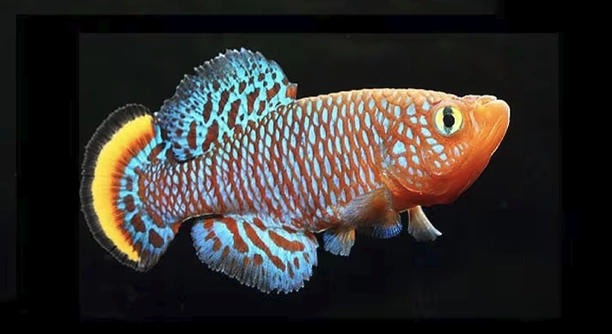
Are your killi fish showing signs of stress or acting differently in their tank, leaving you unsure of what might be wrong?
Poor water quality in a killi fish tank can result in sluggish behavior, faded coloration, fin clamping, gasping at the surface, and erratic swimming. These signs often indicate imbalances in ammonia, nitrite, pH, or oxygen levels.
Recognizing these signs early can help you maintain a healthier environment and improve your killi fish’s overall well-being and quality of life.
Sign 1: Faded Coloration
Faded coloration in killi fish is often one of the first signs that water quality is declining. When water parameters become unstable, fish respond by changing their appearance. This can happen due to elevated ammonia levels, poor oxygenation, or drastic temperature shifts. Bright and vibrant colors may turn pale, dull, or blotchy. A healthy killi fish in a balanced tank will display rich, well-defined hues. If you notice a visible change in appearance, it’s a signal to test the water. Daily monitoring helps prevent more serious issues from developing and gives your fish the chance to recover their full color.
Faded color doesn’t always mean illness—it can point to low oxygen or high ammonia levels, which are easily corrected with quick action.
Make sure to check for expired test kits, clean filters regularly, and avoid overfeeding. These simple habits can help maintain water conditions that support healthy coloration.
Sign 2: Gasping at the Surface
Gasping at the surface is usually a sign of low oxygen levels in the tank.
This behavior occurs when the dissolved oxygen in the water drops too low, forcing killi fish to seek air at the surface. Overcrowding, high water temperature, or a lack of surface agitation can all lead to this issue. If you see your fish frequently hovering near the top, it’s important to improve oxygen exchange. This can be done by adding an air stone, adjusting the filter output, or reducing waste buildup. Additionally, avoid keeping the tank in hot areas or under direct sunlight, which can raise water temperature and reduce oxygen availability. Water changes also help refresh oxygen levels. By increasing aeration and lowering organic waste, your fish will have an easier time breathing and feel more comfortable in their environment.
Sign 3: Clamped Fins
Clamped fins are when your killi fish keeps its fins close to the body, instead of spreading them naturally. This is often a reaction to stress caused by poor water conditions like elevated nitrites, incorrect pH, or sudden temperature changes.
When killi fish clamp their fins, it usually means they’re uncomfortable or stressed by something in their environment. Poor water quality makes it harder for them to breathe and function properly, which leads to this behavior. Regular testing helps detect problems early, especially when parameters like nitrites or ammonia spike. It’s also important to check the temperature and ensure there are no drastic changes throughout the day. Simple actions like removing uneaten food, performing small water changes, and cleaning the filter can quickly help improve conditions. Once the water stabilizes, fins often return to normal, and your fish will look more relaxed and behave more actively.
It’s helpful to monitor any other symptoms that appear alongside clamped fins. Lethargy, poor appetite, or hiding may also point to deeper issues in the tank. When multiple signs are present, test your water immediately. If needed, perform a partial water change and use a reliable water conditioner. A well-maintained tank helps fish feel secure and show their natural behavior more confidently.
Sign 4: Erratic Swimming
Erratic swimming is usually caused by sudden spikes in toxins like ammonia or nitrite, which irritate your killi fish’s nervous system. This may appear as darting, spinning, or crashing into tank walls and decorations without warning.
In most cases, erratic movement signals serious discomfort from harmful substances or fluctuating water parameters. It’s often one of the more alarming signs and should never be ignored. Make sure to test for ammonia, nitrites, and pH immediately. If toxins are present, a quick water change can offer immediate relief. Also, review your feeding schedule and tank maintenance routine—excess food and waste break down quickly and pollute the water. Keep filters running efficiently, and ensure there’s enough oxygen, especially in warmer tanks. When the environment becomes stable again, swimming should return to normal. Early action prevents long-term damage and helps your fish feel safe in their space.
Sign 5: Lethargy
Lethargy in killi fish can appear as slow swimming, resting at the bottom, or a general lack of activity. Poor water quality—especially high ammonia or nitrite levels—often makes fish feel weak and less responsive to their surroundings.
This behavior can also develop if the water temperature is too low or fluctuates often. Inconsistent lighting, overcrowding, and dirty substrates may add more stress.
Sign 6: Loss of Appetite
When killi fish stop eating, it’s often a sign something is wrong with the tank environment. Sudden changes in pH or high ammonia levels can affect their appetite. Fish that refuse food for more than a day or two may be experiencing discomfort from water imbalances. Test the water immediately and address any problems you find. Offer food only once the water is stable again. Feeding during poor conditions can worsen the issue and lead to further buildup of waste. A clean, balanced tank usually restores appetite quickly once stress levels are reduced and conditions return to normal.
Sign 7: Cloudy Eyes
Cloudy eyes in killi fish are usually linked to dirty water or high levels of toxins. It’s often caused by bacteria or debris irritating the eye.
FAQ
How often should I test my killi fish tank water?
Testing your killi fish tank water once a week is a good habit, especially in smaller or newly cycled tanks. Weekly testing helps catch changes in ammonia, nitrites, nitrates, and pH before they become dangerous. If your fish shows unusual behavior, test immediately regardless of schedule. For new setups, testing every few days during the first few weeks is helpful. Use a reliable liquid test kit rather than strips, as they tend to be more accurate. Keeping a small notebook of test results can also help you track patterns or sudden shifts over time.
What are the most important water parameters to monitor?
The key water parameters to watch are ammonia, nitrite, nitrate, pH, temperature, and hardness. Ammonia and nitrite should always be at 0 ppm, as even small amounts can harm your fish. Nitrates should stay under 40 ppm for a healthy environment. The ideal pH for most killi species is between 6.0 and 7.5, depending on the species. Temperature should remain stable—usually between 72°F and 78°F. Sudden shifts in any of these values can cause stress and illness, so it’s important to check them regularly. Water hardness can affect fish health over time, especially for more sensitive species.
Why does my killi fish swim frantically during water changes?
Rapid swimming during or after water changes is usually caused by a sudden shift in temperature, pH, or chlorine exposure. If the new water differs too much from the tank water, your fish may panic. Always match the temperature of replacement water as closely as possible and use a water conditioner that neutralizes chlorine and chloramine. Pour water in slowly and avoid stirring up waste at the bottom. Smaller, more frequent water changes are often better than large, infrequent ones. If the fish calms down shortly after, the stress was likely short-term, but it’s still worth reviewing your water change routine.
How can I improve water quality quickly?
Start with a partial water change—around 25–30%—using dechlorinated, temperature-matched water. Remove uneaten food and clean any visible waste from the substrate. Rinse filter media in tank water (not tap water) to preserve beneficial bacteria. Check if the filter is running well and if needed, increase surface agitation for better oxygenation. Avoid overfeeding, as leftover food quickly pollutes the water. Adding live plants can also help absorb excess nutrients and support water balance. If water parameters remain off after basic care, consider using a bacterial supplement to stabilize the tank. Improving water quality doesn’t require expensive tools—just consistency and attention.
Should I isolate a killi fish showing signs of poor water quality?
Isolation isn’t always needed if the issue is strictly water-related. Instead, focus on correcting water conditions in the main tank. However, if the fish is showing severe symptoms, such as difficulty swimming or open wounds, a separate recovery tank with clean, conditioned water may help reduce stress and prevent further health problems. This is especially useful if the affected fish is being picked on by others or struggling to compete for food. Just remember, fixing the root issue in the main tank is essential, or other fish may also become affected. Quarantine should be a short-term solution, not the main fix.
Can poor water quality cause long-term damage to killi fish?
Yes, prolonged exposure to bad water conditions can lead to permanent damage. High ammonia levels may burn gills, while extended oxygen deprivation weakens their immune system. Chronic stress from imbalanced pH or toxins can shorten their lifespan and reduce their ability to fight off infections. Even if the fish looks better after recovery, internal damage can remain. That’s why consistent care and early detection are key. Creating a stable and clean tank helps your killi fish live longer and behave more naturally. Prevention is far easier and more effective than trying to reverse long-term harm.
Why does my tank get dirty so fast?
Fast buildup of waste is often due to overfeeding, poor filtration, or overcrowding. Feeding too much causes uneaten food to settle and break down, raising ammonia and clouding the water. Filters that are too small or clogged can’t keep up with waste. More fish also means more waste, so balance the tank’s bio-load. Be sure to clean filters regularly and vacuum the substrate at least once a week. Using high-quality food that produces less waste can also help. It’s not just about appearance—a dirty tank can be dangerous, even if the water looks clear.
Are certain killi fish species more sensitive to water quality?
Yes, some killi fish are more sensitive than others. Wild-caught species often require softer, more acidic water and react quickly to changes in pH or toxins. On the other hand, captive-bred varieties tend to be slightly more adaptable. Regardless of the species, all killi fish prefer stable, clean environments. If you’re unsure about your fish’s needs, look up the specific species to understand their ideal water conditions. Being proactive about tank care makes a big difference, especially with delicate types. Even hardy species can become stressed or ill if water conditions are neglected for too long.
Final Thoughts
Taking care of killi fish means paying close attention to the quality of their water. These fish are sensitive to changes in their environment, and small problems can quickly lead to stress or illness. Signs like clamped fins, faded color, erratic swimming, or cloudy eyes are not just small issues—they often point to bigger water quality concerns. Recognizing these signs early gives you the chance to fix things before your fish’s health gets worse. Regular testing, steady temperatures, and proper feeding all play a part in keeping the tank safe and stable. Simple habits, followed consistently, can make a big difference.
It’s not about making the tank perfect all the time—it’s about keeping it balanced and clean. Ammonia and nitrite should stay at zero, and nitrates should be kept low. Performing regular water changes, cleaning filters, and removing uneaten food are all part of good tank care. A small effort each week helps prevent larger problems from forming. If you notice anything unusual in your fish’s behavior, act quickly. Most water issues can be fixed with a little attention and care. There’s no need for expensive products or complicated tools—just consistent maintenance and watching for warning signs will help your fish stay healthy.
Owning killi fish can be a rewarding experience when their tank is well maintained. These fish have unique colors, behaviors, and lifespans that depend heavily on their environment. By understanding the early signs of poor water quality, you’re in a better position to care for them properly. Keep track of your test results, stick to a regular schedule, and don’t ignore even small changes in behavior. Clean water supports healthy fins, clear eyes, and active swimming. A safe tank not only helps your fish feel better but also makes watching them more enjoyable. It all starts with keeping the water clean and stable.

Hello,
If you enjoy the content that we create, please consider saying a "Thank You!" by leaving a tip.
Every little bit helps us continue crafting quality advice that supports the health, happiness, and well-being of pets around the world, for pets of all shapes, sizes, and species.
We really appreciate the kindness and support that you show us!