
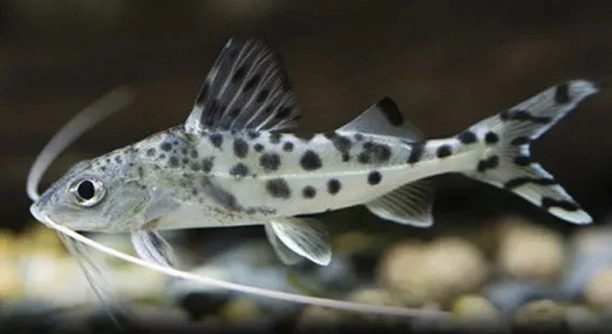
Pictus catfish are popular freshwater fish known for their lively behavior. Many owners notice unique traits that suggest these fish have distinct personalities. Observing these signs helps create a better bond between fish and caretaker.
Pictus catfish display personality through behaviors such as active exploration, social interaction with tank mates, responsiveness to feeding routines, distinct swimming patterns, territoriality, reaction to environmental changes, and individual preference for hiding spots. These traits indicate complex behavioral patterns.
Recognizing these behaviors provides insight into your fish’s well-being and enhances the experience of caring for them. This article outlines the seven key signs to observe in your pictus catfish.
Active Exploration and Movement
Pictus catfish are known for their constant activity. They rarely stay still for long and love to swim around the tank, exploring every corner. This active behavior is one of the clearest signs of their personality. You might notice your fish investigating new decorations or swimming in playful patterns. Their movement is not random but shows curiosity and a desire to interact with their environment. Watching this can be quite engaging because each fish has its own way of exploring. Some might be more cautious, while others are bold and adventurous. This trait also helps keep them healthy and mentally stimulated, as they naturally enjoy being on the move. When your pictus catfish is active, it is a good sign that it feels comfortable and confident in its home.
Active exploration is a natural personality trait that reflects the fish’s comfort and curiosity within the tank environment.
This activity is important to note because it shows how your pictus catfish reacts to its surroundings. If the fish suddenly becomes less active, it might indicate stress or illness. Keeping the tank interesting with plants, hiding spots, and open swimming areas can encourage this behavior. It also strengthens your observation skills, helping you better understand what your fish prefers or dislikes. This insight allows you to make small changes that improve their living conditions, enhancing their overall well-being.
Social Interaction with Tank Mates
Pictus catfish often show clear social behaviors around other fish.
They may swim alongside certain tank mates or display gentle chasing and playful nudging. This behavior shows their personality and social preferences.
Social interaction in pictus catfish varies. Some enjoy being in groups, while others prefer limited contact. These fish use body language to communicate, like flicking their fins or swimming in synchronized movements. Watching how your pictus catfish behaves with others reveals their comfort level and temperament. If a fish often stays near others, it likely values companionship. On the other hand, occasional chasing can indicate territorial behavior rather than aggression. Understanding these social signals helps you arrange the tank in a way that suits your fish’s personality, promoting harmony and reducing stress. It’s important to monitor these interactions regularly, as changes can indicate shifts in health or mood.
Responsiveness to Feeding Routines
Pictus catfish quickly learn feeding schedules. They become alert and active when it’s time to eat.
This behavior shows their ability to recognize patterns and remember routines. They often swim toward the surface or a specific spot when food is expected. Some may even follow your movements around the tank, anticipating feeding time. This responsiveness highlights their intelligence and personal rhythm. Being consistent with feeding helps maintain their trust and comfort, reducing stress during mealtime. Variations in eagerness may also reveal individual preferences or health issues, making this behavior a useful sign for caretakers.
Noticing changes in feeding responsiveness is important. A sudden lack of interest in food can signal problems. Observing how your pictus catfish reacts to feeding routines helps you detect any early warning signs of illness or stress. It also builds a connection, as they recognize you as the provider. This interaction strengthens the bond between fish and owner, making daily care more rewarding.
Distinct Swimming Patterns
Pictus catfish often develop unique swimming habits. These patterns vary from one fish to another.
Some swim near the bottom, while others prefer mid-level or surface swimming. The speed and style also differ; some may dart quickly, others glide smoothly. These habits reflect their comfort zones and personal traits. For example, a fish that consistently swims close to plants may feel safer there. Watching these patterns helps you understand how each fish interacts with its environment and how it feels. Adjusting the tank layout to suit these preferences can improve their well-being.
Recognizing these swimming patterns is useful for monitoring health. Changes like erratic swimming or spending too much time hiding can indicate stress or illness. Regular observation allows early detection of such issues. It also encourages a more attentive approach to tank care, as you respond to your fish’s needs based on behavior. Ultimately, these patterns add depth to their personalities, making them more interesting to watch and care for.
Territorial Behavior
Pictus catfish sometimes show territorial tendencies. They defend certain spots in the tank.
This behavior is more common when space is limited or when fish feel threatened. Marking a favorite hiding place or a feeding area is typical. Recognizing territorial signs helps prevent conflicts and stress among tank mates.
Reaction to Environmental Changes
These catfish respond noticeably to changes in their tank environment.
Sudden shifts in water temperature, lighting, or decoration placement can cause stress or curiosity. Some pictus catfish become more cautious, hiding more often, while others explore the changes actively. Monitoring these reactions reveals their adaptability and sensitivity to their surroundings.
Preference for Hiding Spots
Pictus catfish enjoy having places to hide and rest.
Providing caves, plants, or decorations helps satisfy this need. They use hiding spots to feel secure, especially during rest or stress. Noticing their favorite areas gives insight into their comfort and personality.
FAQ
What do pictus catfish eat?
Pictus catfish are omnivores that enjoy a varied diet. They eat sinking pellets, flakes, frozen or live foods like bloodworms, brine shrimp, and small insects. Feeding them a balanced diet ensures they get enough nutrients for energy and health. It is important to avoid overfeeding, as uneaten food can harm water quality.
How often should I feed my pictus catfish?
Feeding pictus catfish once or twice a day is ideal. Small, controlled portions help prevent leftover food, which can pollute the tank. Observing their responsiveness during feeding times helps adjust the quantity. Overfeeding can lead to obesity and water problems, so moderation is key for their wellbeing.
Can pictus catfish live with other fish?
Yes, pictus catfish are generally peaceful but may show some territorial behavior. They do well with other peaceful, similarly sized fish. Avoid aggressive or very small fish that could be bullied or eaten. Proper tank space and hiding spots reduce conflicts and encourage peaceful cohabitation.
How big do pictus catfish get?
Adult pictus catfish typically grow between 4 to 5 inches long. They need enough space to swim and explore comfortably. A larger tank supports their active lifestyle and helps reduce stress. Overcrowding can cause health and behavioral issues.
What water conditions do pictus catfish need?
Pictus catfish thrive in water with a temperature between 72°F and 79°F, pH around 6.5 to 7.5, and moderate hardness. Regular water changes and good filtration maintain these conditions. Clean water supports their health and encourages natural behaviors.
Do pictus catfish need a specific tank setup?
A tank with plenty of hiding spots, smooth substrate, and open swimming areas suits pictus catfish best. Decorations like caves and plants provide shelter and reduce stress. They prefer dim lighting and a gentle current to mimic their natural environment.
How can I tell if my pictus catfish is healthy?
Healthy pictus catfish are active, have clear eyes, smooth skin, and respond to feeding routines. Any signs of lethargy, unusual swimming, spots, or discoloration may indicate illness. Early detection through observation allows prompt care or treatment.
Are pictus catfish nocturnal?
They are primarily nocturnal but often show activity during the day. They may rest in hiding spots during daylight and become more active in low light. This pattern reflects their natural behavior in the wild.
How long do pictus catfish live?
With proper care, pictus catfish live around 8 to 10 years. Good water quality, a balanced diet, and a suitable tank environment all contribute to their lifespan. Regular observation helps maintain their health and longevity.
Can pictus catfish breed in home aquariums?
Breeding pictus catfish in home tanks is challenging but possible. They require specific conditions, such as soft, slightly acidic water and plenty of hiding places for eggs. Breeding behavior includes increased activity and chasing. Most hobbyists focus on general care rather than breeding these fish.
What should I do if my pictus catfish shows signs of stress?
Signs of stress include hiding excessively, loss of appetite, erratic swimming, or color changes. Check water quality, tank mates, and environment for causes. Providing hiding places, stable conditions, and reducing disturbances helps reduce stress. If problems persist, consulting a specialist or veterinarian is recommended.
How often should I clean my pictus catfish tank?
Regular partial water changes, about 20-30% weekly, keep the tank clean. Cleaning substrate and removing uneaten food prevent waste buildup. Overcleaning or sudden changes can stress the fish, so a balanced routine is best. Monitoring water parameters helps maintain stability.
Final Thoughts
Pictus catfish show many behaviors that reflect their personality. From their active swimming to social interactions, each fish has its own way of expressing itself. Paying attention to these signs helps create a better understanding of your pet. This understanding can improve how you care for them and make your time with them more enjoyable. Watching their movements and reactions gives clues about their mood and health, making it easier to provide what they need.
Providing a good environment is essential for pictus catfish to express their personality fully. A tank with enough space, hiding spots, and clean water supports their natural behaviors. Keeping a consistent feeding routine and observing their responses also helps maintain their well-being. When these needs are met, pictus catfish are more likely to be active, social, and stress-free. This balance between care and observation allows their personality to shine through in everyday life.
Understanding the personality of your pictus catfish is a rewarding part of fishkeeping. It takes time and attention, but the result is a closer bond and a healthier fish. Each sign of personality adds to the unique character of your fish, making them more than just a pet. With patience and care, you can enjoy watching their behaviors and responding to their needs, creating a positive and fulfilling aquarium experience.

Hello,
If you enjoy the content that we create, please consider saying a "Thank You!" by leaving a tip.
Every little bit helps us continue crafting quality advice that supports the health, happiness, and well-being of pets around the world, for pets of all shapes, sizes, and species.
We really appreciate the kindness and support that you show us!