
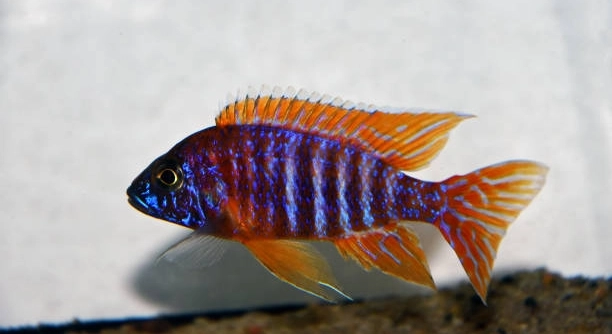
Convict cichlids are vibrant fish that bring life to any aquarium. Observing their behavior and appearance closely can reveal health issues. Parasites are a common concern, affecting their overall well-being and longevity in home tanks.
Parasites in convict cichlids often present through physical changes, irregular swimming patterns, and appetite loss. Identifying early signs such as skin lesions, white spots, fin damage, or abnormal gill movement is crucial for effective treatment and maintaining a healthy aquatic environment.
Knowing what to watch for can prevent serious health complications. These indicators will guide you in keeping your convict cichlids strong and thriving.
Changes in Appetite
When convict cichlids are infected with parasites, one of the first signs you may notice is a change in appetite. They might eat less than usual or completely refuse food for several days. This can lead to weight loss and visible thinning of their bodies. Monitoring feeding behavior daily can help detect these issues early. Sudden disinterest in food is often accompanied by other subtle changes, such as slower swimming or hiding more frequently. Parasites can interfere with digestion, making even regular feeding sessions ineffective. Over time, prolonged lack of nutrition weakens their immune system, making them more susceptible to secondary infections. A consistent feeding routine and careful observation are key in recognizing this sign early. Adjusting diet with high-quality, easily digestible food may support their health while treatment is administered, helping the fish regain strength and energy.
Appetite loss is a clear warning that a convict cichlid may be struggling with internal parasites. Early attention is essential.
Tracking feeding habits, weight, and activity together provides a fuller picture. Observing these patterns allows timely intervention before the infection worsens.
Physical Abnormalities
Parasite infections often manifest in visible changes to a cichlid’s body. You may notice white spots, red patches, bloating, or frayed fins. These signs indicate irritation or tissue damage caused by external or internal parasites. Early detection through careful observation helps prevent severe complications and allows targeted treatment. Regular tank maintenance, water quality checks, and routine inspections of fish can reveal these abnormalities quickly. Some parasites may attach to gills or under scales, which requires close observation. Overlooking minor signs can lead to serious illness. Keeping a visual log of each fish’s condition helps in noticing subtle changes over time. Prompt action, such as isolating affected fish and following veterinary-recommended treatments, supports recovery. Maintaining a stress-free environment and balanced nutrition also strengthens their resilience against infections. Recognizing these physical abnormalities early ensures your convict cichlids remain healthy and active.
Physical signs on the skin, fins, and gills are strong indicators of a parasitic infection. Observation is key.
Consistent monitoring, combined with good water conditions and nutrition, greatly improves recovery chances for affected fish.
Unusual Swimming Patterns
Convict cichlids with parasites often swim erratically or stay near the bottom. They may hover in corners or rub against tank surfaces. These behaviors are signs of irritation or weakness caused by infection, signaling that immediate attention is needed.
Erratic swimming can indicate internal or external parasites affecting balance and comfort. Fish may dart suddenly, spin, or drift without control. Gill parasites can make breathing difficult, causing them to struggle while swimming. External parasites on fins or body surfaces lead to rubbing and scraping behaviors. Such patterns are abnormal for normally active and agile convict cichlids. Observing their movements carefully helps identify these issues early. Maintaining clean water and monitoring interactions with tank mates can reduce stress that worsens these symptoms. Prompt intervention ensures their health does not decline further.
Changes in swimming are often accompanied by other signs such as fin damage or reduced appetite. Recognizing these patterns together improves early detection. Maintaining a consistent environment helps them recover.
Gills and Breathing Issues
Parasites affecting the gills can cause rapid or labored breathing. Fish may gasp near the surface or show gill discoloration, signaling respiratory distress and the need for treatment.
Gill parasites reduce oxygen absorption, forcing convict cichlids to breathe more quickly. Infected fish may flare gill covers or make jerky movements. Oxygen-poor water can worsen the condition, so maintaining water quality is critical. Observing gill color, movement, and overall respiratory rate can reveal early signs of infection. Treatment often includes medicated baths or water additives to eliminate parasites. Stress from overcrowding or aggressive tank mates can intensify gill irritation, making observation essential. Isolation may be necessary to prevent transmission and allow proper recovery. Early detection significantly improves survival and long-term health.
Labored breathing and visible gill damage are strong indicators of parasitic infection. Addressing water quality and isolating affected fish is essential for recovery.
Skin Irritation and Rubbing
Convict cichlids may rub against rocks, decorations, or tank walls when parasites irritate their skin. This behavior is often accompanied by redness, swelling, or visible sores on their body.
Frequent rubbing is a clear sign of discomfort. External parasites like flukes or protozoans cause itching and skin damage, prompting fish to scrape themselves.
Fin Damage
Parasites can lead to frayed, torn, or discolored fins. The damage reduces swimming efficiency and makes the fish more vulnerable to infections and stress. Maintaining water quality and observing fin condition regularly helps catch issues early, preventing further deterioration.
Lethargy
Infected convict cichlids often appear unusually inactive. They may rest at the tank bottom or hide for long periods, conserving energy due to illness.
White Spots and Visible Parasites
Small white spots on the body or gills are common signs of parasitic infection. Some parasites may even be visible crawling on the skin, indicating immediate attention is required to prevent further spread.
FAQ
How can I tell if my convict cichlid has parasites?
Observing behavior and physical appearance closely is the most effective way. Look for changes in appetite, unusual swimming, labored breathing, skin irritation, or frayed fins. Visible white spots or tiny moving parasites on the body or gills are strong indicators. Regular monitoring and keeping a visual log of each fish’s condition makes early detection easier. Early signs are often subtle, so consistent observation during feeding and daily activity is essential. Maintaining clean water and proper nutrition supports their immune system, helping them resist infections. Acting promptly when symptoms appear prevents the infection from worsening and spreading to other fish in the tank.
What treatments are effective for convict cichlids with parasites?
Treatment depends on the type of parasite. Medicated baths, antiparasitic water additives, or targeted oral medications are commonly used. Isolation of infected fish helps prevent spread. External parasites may require topical treatments or salt baths, while internal parasites may need specific medications added to food. Follow manufacturer instructions or veterinarian guidance carefully to avoid harming the fish. Maintaining proper water quality, stable temperature, and stress-free conditions enhances treatment effectiveness. Combining medication with improved diet and clean tank conditions helps the fish recover faster and reduces the risk of recurring infections.
Can poor water quality cause parasites?
Poor water conditions do not directly create parasites but can weaken fish and make them more susceptible. High ammonia, nitrite, nitrate levels, or sudden temperature fluctuations stress the fish, compromising their immune system. Parasites take advantage of weakened fish, making infections more likely and harder to treat. Regular water testing, partial water changes, and proper filtration reduce stress and support overall health. Keeping the tank clean and maintaining stable environmental conditions can prevent many common infections from taking hold.
How can I prevent parasites in my convict cichlids?
Quarantining new fish before adding them to the main tank is crucial. Regularly inspect fish for physical abnormalities or behavioral changes. Maintain excellent water quality with consistent testing, cleaning, and filtration. Avoid overfeeding and remove uneaten food promptly, as leftover debris can harbor harmful microorganisms. Keeping the tank environment stable and stress-free improves immune response, making it harder for parasites to thrive. Routine observation, combined with preventive measures, helps catch early signs and reduces the likelihood of outbreaks.
Is it safe to treat the entire tank for parasites?
Treating the entire tank may be necessary if multiple fish show symptoms or the parasite is highly contagious. Some medications can harm sensitive species, plants, or invertebrates, so choose treatments carefully. Follow dosing instructions strictly and monitor water parameters during treatment. Partial water changes may be required to maintain balance. Isolating infected fish when possible minimizes medication exposure to healthy fish, but tank-wide treatments are sometimes the only way to stop an outbreak. Proper planning and careful observation during treatment ensure safety and effectiveness.
How long does it take for a convict cichlid to recover from parasites?
Recovery time varies based on parasite type, infection severity, and the fish’s overall health. Mild infections may resolve within a few days with proper treatment, while severe infestations can take weeks. Providing clean water, balanced nutrition, and a low-stress environment supports faster recovery. Continuous monitoring is essential to ensure parasites do not return. Avoid introducing new fish until the tank and recovered fish are stable to prevent reinfection. Consistent care and attention during recovery improve the chances of full restoration of health and vitality.
Can parasites affect other fish in my tank?
Yes, many parasites are highly contagious. Close contact, shared water, or even common equipment can spread infection. Quarantining new or infected fish is critical. Observing all fish for early signs helps reduce transmission. Maintaining clean tanks, separate nets, and dedicated feeding tools minimizes risk. Prompt action when one fish shows symptoms protects the rest of the population.
Do all convict cichlids react the same way to parasites?
No, individual responses vary. Some fish may show visible symptoms quickly, while others hide signs until infection progresses. Stress levels, immune strength, age, and overall health influence how they respond. Observing each fish closely ensures timely intervention for those more vulnerable. Early detection improves outcomes for the entire tank.
Can diet help prevent or reduce parasites?
A nutritious, balanced diet strengthens the immune system, making fish more resistant to infections. High-quality proteins, vitamins, and occasional live or frozen foods improve resilience. Avoid overfeeding or using low-quality food, which can weaken immunity. Diet alone won’t eliminate parasites but supports recovery during treatment and helps prevent future infections.
When should I consult a veterinarian?
If parasites persist despite treatment, symptoms worsen, or multiple fish are affected, professional guidance is necessary. A veterinarian can identify the parasite type and recommend safe, effective treatments. Early consultation can prevent serious health decline and protect other fish in the tank.
Final Thoughts
Parasites in convict cichlids are a serious concern, and recognizing the signs early is crucial. Observing behavior and appearance daily can prevent minor issues from becoming severe problems. Changes in appetite, unusual swimming patterns, or physical abnormalities like frayed fins and white spots often indicate infection. Paying close attention to these details allows prompt intervention before the condition worsens. Maintaining clean water, proper filtration, and stable tank conditions reduces stress, which helps fish resist infections naturally. Regular tank maintenance and careful monitoring are key components in protecting convict cichlids from parasites.
Treatment is most effective when action is taken quickly. Different parasites require specific approaches, ranging from medicated baths and water additives to oral medications for internal infections. Isolating infected fish prevents the spread of parasites and allows them to recover without interference. Supporting treatment with a balanced diet improves their overall health and immune response. Even after treatment, continued observation is important to ensure the parasite does not return. Clean equipment, proper feeding practices, and regular water changes all play a role in creating a safe, healthy environment that minimizes the risk of reinfection.
Preventing parasites is always better than treating them. Quarantining new fish before adding them to the main tank, maintaining stable water conditions, and monitoring all fish consistently reduces the likelihood of outbreaks. Even small signs of stress or irritation should not be ignored, as they can indicate the early stages of infection. A proactive approach, combined with proper care and attention to environmental factors, ensures that convict cichlids remain healthy and active. Understanding these measures allows you to protect your fish effectively and maintain a thriving aquarium.

Hello,
If you enjoy the content that we create, please consider saying a "Thank You!" by leaving a tip.
Every little bit helps us continue crafting quality advice that supports the health, happiness, and well-being of pets around the world, for pets of all shapes, sizes, and species.
We really appreciate the kindness and support that you show us!