
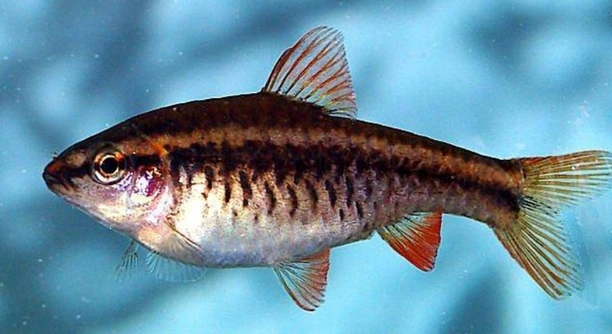
Overcrowding in a Cherry Barb community can affect the health and happiness of your fish. It’s important to identify the signs early to keep your aquarium balanced. This ensures a better environment for your aquatic pets.
Overcrowding in Cherry Barb communities leads to stress, poor water quality, and health issues. Signs include aggressive behavior, stunted growth, increased waste production, and territorial disputes, all of which negatively impact the well-being of your fish.
Understanding the warning signs of overcrowding allows you to maintain a harmonious environment for your fish. Addressing these issues promptly will help your Cherry Barbs thrive and prevent further complications in your aquarium.
Aggressive Behavior in Overcrowded Aquariums
When there are too many Cherry Barbs in a tank, they become more territorial. You’ll start to see more aggression between them, especially if there aren’t enough hiding spots or swimming space. They may chase each other or nip fins, which can lead to injury. Overcrowding can stress out fish, making them feel the need to defend themselves constantly. It’s important to observe their behavior closely and act quickly to reduce stress. If you notice this happening, it’s a clear sign your tank may be too crowded.
If the aggression persists, it’s time to reconsider the number of Cherry Barbs in your tank. A lower fish count will help prevent the aggressive behavior from getting out of hand and causing more harm.
Maintaining a peaceful aquarium is essential for healthy Cherry Barbs. Proper stocking levels are key to reducing aggression and stress. By keeping a balanced fish population, your Cherry Barbs can coexist without fear of constant threats. This not only improves their quality of life but also enhances the overall health of your aquarium ecosystem.
Poor Water Quality Due to Overcrowding
Overcrowded aquariums quickly face water quality issues. When too many fish are in a small space, they produce excessive waste, which leads to an increase in toxins.
Regular water changes and filtration are essential, but even that may not be enough to keep the tank clean. High ammonia levels and nitrites can harm your fish, leading to stress, disease, and even death. The more fish you have, the harder it becomes to maintain a healthy environment.
The tank’s filtration system needs to be strong enough to handle the increased waste, and it may need to be upgraded if you plan to keep a larger fish population. Regular water testing becomes even more crucial to ensure the water stays safe for your fish. Overcrowding not only affects the water quality but also increases the workload for maintenance. It’s important to strike the right balance to avoid these problems.
Stunted Growth from Overcrowding
In overcrowded tanks, Cherry Barbs often don’t have enough space to grow properly. The competition for resources such as food and space stunts their development. If your fish are smaller than usual, overcrowding may be the reason.
Fish need space to grow to their full size. When too many Cherry Barbs share a limited space, they don’t get enough food or oxygen. This leads to slowed growth, and you may notice that they remain smaller than expected. It’s essential to monitor their size and health regularly. In some cases, even if they are fed properly, the lack of space can still hinder their growth.
Reducing the number of fish or providing a larger tank can help prevent stunted growth. A spacious tank allows your Cherry Barbs to swim freely and grow at their natural pace. Monitoring their health and providing proper care will ensure they reach their full size and live healthier lives.
Increased Waste Production in Overcrowded Tanks
Overcrowding leads to a significant rise in waste. More fish produce more ammonia, which can quickly overwhelm the filtration system. If not managed properly, this waste buildup harms water quality.
Cherry Barbs produce waste naturally, but when the tank is overcrowded, the waste accumulates faster than it can be filtered out. This leads to higher levels of toxins like ammonia and nitrites, which are harmful to all fish. The result is often poor water quality, stress, and health problems for your fish. It’s crucial to monitor waste levels closely, especially in a crowded tank.
To avoid this, consider reducing the number of fish or adding more filtration. Increasing the frequency of water changes and regularly testing water parameters will help keep your tank cleaner. By reducing overcrowding and managing waste effectively, you’ll create a healthier environment for your Cherry Barbs.
Territorial Disputes in Crowded Tanks
Overcrowding increases territorial behavior in Cherry Barbs. When there isn’t enough space for each fish to establish its own area, they will fight over territory. This often leads to stress and injuries.
If you notice your fish chasing each other or defending certain areas of the tank, it’s a sign they are feeling cramped. Territorial disputes usually happen when there are too many fish in a small space, with limited hiding spots or resting areas. This can cause physical damage, stress, and weakened immune systems.
Providing more hiding spots and a larger tank will help reduce territorial disputes. By creating zones where fish can retreat, you give them a chance to avoid conflict. Reducing the number of fish is another way to ensure each one feels secure and has enough space to roam freely.
Stress and Weakened Immune System
In overcrowded tanks, stress is a constant issue. High levels of stress lead to a weakened immune system, making fish more susceptible to diseases and infections.
Stress can affect Cherry Barbs in many ways, from constant fighting to poor water conditions. A stressed fish’s immune system can’t function properly, leaving it vulnerable to health problems. In overcrowded tanks, this stress is heightened by the lack of space and constant competition. Addressing overcrowding can help alleviate some of this pressure.
Reducing the number of fish or adding more space will give Cherry Barbs the room they need to feel safe and healthy. A less stressful environment strengthens their immune systems, making them more resistant to illness.
Reduced Swimming Space
In overcrowded tanks, Cherry Barbs lose the ability to swim freely. They need space to swim around and explore. When the tank is too crowded, this becomes difficult, leading to a lack of exercise and increased stress.
Restricted swimming space doesn’t just affect their physical health but also their mental well-being. Cherry Barbs are active swimmers, and without adequate room, they become agitated and inactive. As they are social fish, they should be able to swim and interact comfortably without feeling cramped.
More space allows them to be more active, healthy, and stress-free. If you notice your fish are staying near the surface or hiding more often, it could be a sign they feel confined.
FAQ
How do I know if my Cherry Barbs are overcrowded?
You can tell if your Cherry Barbs are overcrowded by observing their behavior. If you see increased aggression, chasing, or fin nipping, it’s a clear sign they’re stressed. Stunted growth and constant hiding can also indicate overcrowding. Additionally, if the tank seems visibly cramped with little swimming space, it’s a strong signal that the population is too high for the available space. Monitoring your fish regularly will help you spot these signs early.
What size tank do Cherry Barbs need?
A standard guideline is that each Cherry Barb needs at least 10 gallons of water. For a group of 5-6 Cherry Barbs, a 20-gallon tank should be sufficient. However, if you have more fish or other species in the same tank, you should increase the tank size accordingly. A larger tank gives your fish more space to swim and reduces stress from overcrowding.
Can I keep multiple male Cherry Barbs together in a small tank?
It’s not recommended to keep multiple males in a small tank. Male Cherry Barbs can become territorial and may fight with each other if they don’t have enough space. A good balance would be to keep one male for every 2-3 females in a larger tank. This helps reduce aggression and ensures a peaceful environment for all your fish.
How do I reduce overcrowding in my tank?
To reduce overcrowding, first assess the number of fish in your tank. If there are too many, consider rehoming some. If that’s not possible, you can also add more filtration or increase water changes to manage the waste. Increasing the size of the tank is also an effective solution. By giving your fish more space, you can ensure they thrive and reduce the risks associated with overcrowding.
Is overcrowding more dangerous for Cherry Barbs than other fish?
Overcrowding is generally harmful to all fish species, but it can be particularly problematic for Cherry Barbs. They are active and social fish that require space to swim freely. If they don’t have enough space, they are more likely to experience stress, aggression, and stunted growth. While some fish may tolerate crowded conditions better than others, Cherry Barbs need room to maintain their health and well-being.
What happens if I don’t address overcrowding in my tank?
If you don’t address overcrowding, your fish may experience a range of health problems. Stress levels will increase, leading to weakened immune systems and a higher likelihood of disease. Poor water quality can result from the excessive waste, which can cause further stress and even death. Overcrowding also leads to aggressive behavior, territorial disputes, and stunted growth. Over time, the overall health of your tank will decline if the issue is not addressed.
Can overcrowding lead to disease in Cherry Barbs?
Yes, overcrowding can lead to disease in Cherry Barbs. When the tank becomes too crowded, water quality suffers, and fish become more stressed. Stress weakens their immune systems, making them more susceptible to infections and diseases. Poor water quality, high ammonia, and nitrites also contribute to these problems. Ensuring proper tank size and maintenance will help prevent disease outbreaks.
How can I provide enough hiding spots for my Cherry Barbs?
Adding plants, rocks, and decorations to your tank creates hiding spots for your Cherry Barbs. These spots give them a place to retreat when they feel stressed or threatened, reducing aggression. You can also place floating plants or caves to provide more refuge. The key is to ensure there are enough hiding places for all your fish, especially in a community tank.
How often should I change the water in an overcrowded tank?
In an overcrowded tank, it’s important to change the water more frequently. Ideally, aim for a 25-30% water change every week. This helps manage waste and maintain water quality. In tanks with high fish populations, water quality can deteriorate quickly, so frequent changes are necessary to keep your Cherry Barbs healthy. Regular testing of the water parameters can help you determine how often changes are needed.
Can overcrowding cause Cherry Barbs to stop eating?
Yes, overcrowding can cause Cherry Barbs to stop eating. When they are stressed, their appetite may decrease or they may become too timid to compete for food. In crowded tanks, aggressive fish may chase others away from the food, leaving some Cherry Barbs without enough nutrition. It’s important to address overcrowding to ensure that all fish get their fair share of food and remain healthy.
How can I tell if my Cherry Barbs are stressed?
Signs of stress in Cherry Barbs include hiding, erratic swimming, loss of appetite, and faded colors. You may also notice that they become more aggressive or lethargic. Stress can also cause them to scratch against objects in the tank, which could be a sign of illness. If you notice these signs, check the tank conditions, including water quality and fish density, to determine if overcrowding is the cause.
Final Thoughts
Overcrowding in a Cherry Barb community can cause a variety of problems that negatively affect the health of your fish. It leads to stress, aggression, stunted growth, and poor water quality. All of these issues can make it harder to maintain a balanced and thriving aquarium. It’s essential to ensure that your tank is not overcrowded so your Cherry Barbs can live in a healthy, stress-free environment. By monitoring the number of fish and making adjustments when necessary, you can create a more harmonious space for them to thrive.
While the signs of overcrowding are clear, they are not always immediately noticeable. Sometimes, small problems like increased aggression or stunted growth may seem harmless at first, but they can quickly snowball into bigger issues. As the tank becomes more crowded, the fish become more stressed, and the water quality deteriorates faster. Regular observation of your Cherry Barbs’ behavior and the water conditions will help you spot the early warning signs and prevent further complications. Ensuring proper tank size, filtration, and regular maintenance will help you keep your aquarium in optimal condition.
In the end, the health and happiness of your Cherry Barbs depend largely on the space they have to swim and interact with each other. If you take steps to avoid overcrowding, you’ll give your fish the best chance to grow, stay healthy, and live a long life. A well-maintained aquarium is not only good for the fish, but it also makes your aquarium more enjoyable to observe. By addressing overcrowding early, you’ll create a better environment for everyone involved.

Hello,
If you enjoy the content that we create, please consider saying a "Thank You!" by leaving a tip.
Every little bit helps us continue crafting quality advice that supports the health, happiness, and well-being of pets around the world, for pets of all shapes, sizes, and species.
We really appreciate the kindness and support that you show us!