
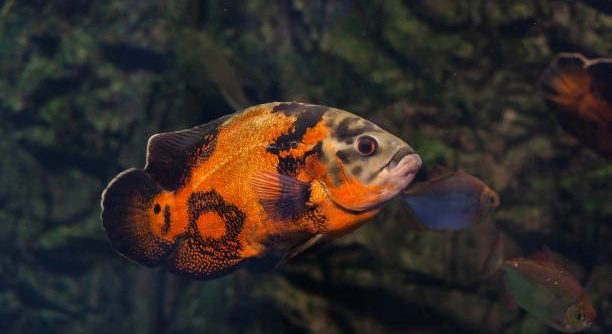
Oscar fish are beautiful, vibrant creatures that are popular in aquariums. However, like all fish, they are susceptible to illnesses, with one of the most common being Ich, a parasitic infection. Knowing the signs of Ich can help you act quickly and protect your fish.
Ich is a parasitic disease that affects Oscar fish, causing small white cysts to appear on their skin, gills, and fins. It is typically spread by stressed or weakened fish, and early treatment is essential for recovery.
Understanding these signs is crucial for the health of your Oscar fish. The following guide will help you identify Ich and take the proper steps to treat and prevent it effectively.
1. What Is Ich and How Does It Affect Oscar Fish?
Ich, also known as “white spot disease,” is a common parasitic infection in fish. It is caused by the protozoan parasite Ichthyophthirius multifiliis, which attaches to the fish’s skin, gills, and fins. The parasite creates small white cysts that resemble salt grains. If left untreated, it can cause severe damage to the fish’s body, leading to difficulty breathing, a weakened immune system, and potentially death. Infected Oscar fish often show signs of distress and may scratch against objects in the tank due to the irritation caused by the cysts.
Ich thrives in warm water, which is why it often occurs during temperature changes or stress. Fish with compromised immune systems, due to poor water quality or overcrowding, are more likely to develop the disease. Recognizing the signs early can prevent it from spreading and help in effective treatment.
Treating Ich in Oscar fish requires a combination of raising water temperature and using medications like copper sulfate or formalin. These treatments target the parasite and help eliminate it from the fish’s environment. It’s essential to also remove any infected fish to stop the infection from spreading further.
2. Recognizing the White Spots
The most obvious sign of Ich in Oscar fish is the appearance of white spots, usually seen around the skin, gills, or fins. These cysts are often the size of a grain of salt and can appear anywhere on the fish’s body.
When an Oscar fish has Ich, the white spots multiply rapidly. As the infection progresses, the fish may show signs of discomfort, like excessive rubbing against objects in the tank or rapid gill movement. In some cases, they may even refuse to eat. The infection tends to spread quickly if not caught early, so it’s crucial to monitor your fish regularly.
As Ich spreads, the white spots become more numerous and can also lead to secondary infections due to open wounds created by the cysts. Keeping the fish in a clean, stable environment with proper water conditions is key to avoiding further complications. Early intervention is necessary to prevent further damage.
3. Behavior Changes and Scratching
Aside from visible white spots, changes in your Oscar’s behavior can indicate an Ich infection. The fish might begin to rub against rocks, plants, or tank decorations. This scratching is due to the irritation caused by the parasite.
Oscars typically scratch to relieve discomfort, a behavior that often signals a parasite or skin irritation. If you notice this scratching combined with the appearance of white spots, it’s likely Ich. The irritation can also cause the fish to dart around the tank or appear unusually active.
In addition to scratching, infected Oscars may also show signs of lethargy. They may swim less actively or stay near the tank’s surface or bottom. These behavioral changes suggest the infection is affecting their ability to swim comfortably. If you see these signs, take immediate action to treat your Oscar fish and prevent the spread of the infection to other tank mates.
4. Breathing Issues and Loss of Appetite
When Ich affects the gills of an Oscar fish, it can make breathing difficult. If you notice that your fish is swimming at the surface, gasping for air, or spending more time near the filter’s output, it could be struggling to breathe properly.
The parasite often attaches to the gills, where it interferes with the fish’s ability to absorb oxygen. This can lead to rapid or labored breathing. Along with breathing issues, an infected Oscar fish may also lose its appetite. The discomfort caused by the parasite makes eating less appealing, and it may also be unable to feed properly due to the irritation around the mouth and gills.
Infected Oscars might also show signs of rapid fin movement as they struggle to breathe. This can cause additional stress, weakening the fish further. Addressing the infection as soon as these symptoms appear is crucial for the fish’s survival. Increasing water oxygen levels and treating the tank with appropriate medication will aid in their recovery.
5. How Ich Spreads Between Fish
Ich spreads quickly in aquariums through direct contact between fish or contaminated water. If one fish becomes infected, others in close proximity are likely to catch the parasite. The parasite releases cysts into the water, which then attach to healthy fish.
To prevent the spread of Ich, it’s important to isolate any infected fish immediately. Ich can thrive in water with poor quality, so maintaining a clean tank with proper filtration is crucial. It’s also wise to avoid overstocking the tank, as stress from overcrowding can make fish more susceptible to the parasite.
Water temperature plays a key role in spreading Ich. Warm water speeds up the parasite’s life cycle, increasing the chance of infection. Keeping your aquarium at a stable, cool temperature can help slow the parasite’s growth, but be cautious, as sudden temperature changes can stress your fish further.
6. Treating Ich with Medication
To treat Ich in Oscar fish, medication is the most effective solution. Common treatments include copper-based products, formalin, and malachite green. These medications target the parasite and kill it in various stages of its life cycle.
Always follow the medication’s instructions carefully. Overdosing can harm your fish, while underdosing may not fully eliminate the parasite. It’s essential to raise the water temperature during treatment, as this speeds up the parasite’s life cycle and makes it more vulnerable to medication.
Regular water changes should also be part of your treatment plan to maintain clean water conditions and help the medication work more effectively. Infected fish should be monitored closely for signs of improvement or side effects. If no improvement is seen, it may be necessary to adjust the medication or consult a specialist for advice.
7. Raising Water Temperature to Speed Up Treatment
Raising the water temperature can help speed up the life cycle of the Ich parasite, making it more susceptible to treatment. This should be done gradually to avoid stressing your fish. Increase the temperature by 2-3°F every few hours until it reaches 82-86°F.
Higher temperatures help the medication work faster, but be cautious. Too much heat can stress the fish further and harm their health. Always monitor the water temperature closely using a thermometer. Once the treatment is complete, gradually return the temperature to normal to avoid shocking the fish.
8. Adding Salt to the Tank
Adding aquarium salt can aid in treating Ich, as it helps to reduce stress and supports the fish’s immune system. Salt also disrupts the parasite’s life cycle, helping to kill the cysts faster. However, be careful with the amount you add, as too much salt can harm your Oscar.
If you choose to use salt, dissolve it in water before adding it to the tank to ensure even distribution. Begin with a low dose and gradually increase it based on the tank size. Regular water changes are necessary during treatment to maintain water quality.
9. Maintaining Clean Tank Conditions
Keeping the tank clean is essential to prevent further spread of Ich. Regular water changes, proper filtration, and cleaning the substrate are key to maintaining a healthy environment.
Ensure your filtration system is working well to remove waste and excess organic matter that could help parasites thrive. Remove any uneaten food or debris from the tank, as they can contribute to poor water quality. Proper tank maintenance helps reduce the chances of reinfection and supports the overall health of your fish.
FAQ
How long does it take to treat Ich in Oscar fish?
The duration of Ich treatment typically ranges from 7 to 10 days, depending on the severity of the infection and the type of treatment used. If the parasite is caught early and treated promptly, recovery can happen within a week. However, more severe infections may take up to two weeks to fully resolve.
During treatment, it is essential to monitor the progress regularly. If there is no improvement after the full course of treatment, re-evaluation may be necessary. This could involve increasing the water temperature or changing medications. Ensuring the water quality remains optimal is also vital for the healing process.
Can Ich spread to other fish in the tank?
Yes, Ich is highly contagious and can spread rapidly to other fish in the tank. If one fish becomes infected, the parasite will release cysts into the water, which can attach to other fish nearby. It’s crucial to quarantine infected fish immediately to prevent further contamination.
Proper tank management can help prevent the spread. Regular water changes, maintaining good filtration, and removing uneaten food will keep the tank cleaner, reducing the chances of the parasite multiplying. Always observe other fish for early signs of Ich, such as scratching or white spots on the body.
What happens if Ich is left untreated?
If Ich is left untreated, it can lead to severe health problems for your Oscar fish. The parasite causes damage to the fish’s skin, gills, and fins, making it harder for the fish to breathe and eat. This leads to further stress, which can weaken the immune system and make the fish more susceptible to other diseases.
In advanced stages, the infection can be fatal. The cysts can also cause secondary infections, leading to ulcers and other complications. For the best chance of recovery, early detection and treatment are essential.
Is Ich harmful to other aquarium inhabitants?
Yes, Ich can infect any fish in the tank, not just Oscars. While the parasite primarily targets fish, invertebrates like shrimp and snails are typically not affected by Ich. However, it’s important to note that the parasite can still spread through the water, so all fish should be treated.
If you have other species in the tank, they should be observed carefully for signs of Ich, especially if they are in close contact with the infected Oscar. It is often recommended to quarantine infected fish in a separate tank to prevent the disease from affecting healthy fish.
Can Ich be prevented?
Ich can be prevented with proper tank maintenance and reducing stressors. Keeping water quality high by performing regular water changes and ensuring your filtration system is efficient is key. Avoid overcrowding the tank and ensure that fish are not stressed by sudden changes in water temperature or environment.
Quarantining new fish before introducing them to the main tank is another preventive measure. This helps to ensure that any potential parasites are caught early before they spread to other tank inhabitants. Additionally, monitoring your fish for signs of stress or illness can help in early intervention.
What is the best treatment for Ich in Oscar fish?
The best treatment for Ich involves a combination of raising the water temperature and using anti-parasitic medications. Copper-based treatments, formalin, and malachite green are commonly used to treat Ich. These medications target the parasite in different stages of its life cycle.
Raising the water temperature to around 82-86°F speeds up the parasite’s life cycle, making it more vulnerable to treatment. Regular water changes and maintaining clean tank conditions are also crucial during treatment to prevent reinfection.
Can I use salt to treat Ich in Oscar fish?
Yes, aquarium salt can be used to help treat Ich. Salt works by reducing stress and improving the fish’s immune system, while also disrupting the parasite’s life cycle. However, the concentration of salt should be carefully monitored to avoid harming your fish.
It’s best to dissolve salt in water before adding it to the tank and gradually increase the salt level over a few days. Always ensure the salt concentration is appropriate for the size of your tank and the species of fish. Excessive salt can damage the fish’s gills and cause long-term health issues.
How do I know if Ich is gone from my Oscar fish?
After treatment, Ich should be gone when the white spots disappear, and your fish return to their normal behavior. The signs of Ich infection, like scratching, labored breathing, and loss of appetite, should also subside.
Once you see the spots and symptoms clear up, continue monitoring your fish for a few more days. If there are no new spots or signs of illness, the infection is likely gone. It’s still important to maintain proper tank care and monitor the fish regularly to prevent reinfection.
Can Ich survive without a host fish?
No, Ich cannot survive for long without a host fish. The parasite relies on the fish’s body to complete its life cycle. After it detaches from the fish and forms cysts in the water, the parasite can survive for about 1-2 days in the tank before it needs a new host.
This is why it’s important to treat the entire tank when one fish is infected. Even if the infected fish is removed, the parasite may still be present in the tank water and can reinfect other fish.
Are there any natural remedies for Ich?
While chemical treatments are the most effective for eliminating Ich, some natural remedies, like using herbal treatments or raising water temperature, can help in managing mild cases. However, these natural remedies may not work as quickly or effectively as traditional medications.
It’s important to consult a professional or do thorough research before using any natural treatment. In many cases, relying on proven methods like copper treatments and formalin is recommended for a higher success rate in treating Ich.
Final Thoughts
Ich is a common and treatable disease that can affect Oscar fish, but it’s important to act quickly to ensure the best chance for recovery. The key to treating Ich is recognizing the symptoms early, such as white spots on the body, scratching, and changes in behavior like labored breathing. With prompt treatment, most fish can recover fully. The use of medications, raising the water temperature, and maintaining clean tank conditions are essential in the treatment process. If you notice any signs of Ich, don’t wait too long before taking action.
While treating Ich, it’s essential to consider the overall environment of your Oscar fish. Maintaining good water quality by performing regular water changes and avoiding overcrowding will help reduce the risk of future infections. Additionally, minimizing stress factors, such as sudden temperature changes, will make your fish less vulnerable to diseases like Ich. Proper tank maintenance is crucial not only for treating Ich but also for preventing other potential illnesses from affecting your Oscar fish. Healthy fish are less likely to develop parasitic infections, so a stable and clean tank environment is always the first line of defense.
Finally, patience is key during the treatment process. Ich can be treated effectively, but it may take some time for your Oscar fish to fully recover. It’s important to monitor your fish regularly and adjust the treatment plan as needed. If you’re unsure about the best course of action, consulting a professional or aquatic veterinarian can provide additional guidance. By staying proactive and taking care of your fish, you can help ensure they stay healthy and vibrant for years to come.

Hello,
If you enjoy the content that we create, please consider saying a "Thank You!" by leaving a tip.
Every little bit helps us continue crafting quality advice that supports the health, happiness, and well-being of pets around the world, for pets of all shapes, sizes, and species.
We really appreciate the kindness and support that you show us!