
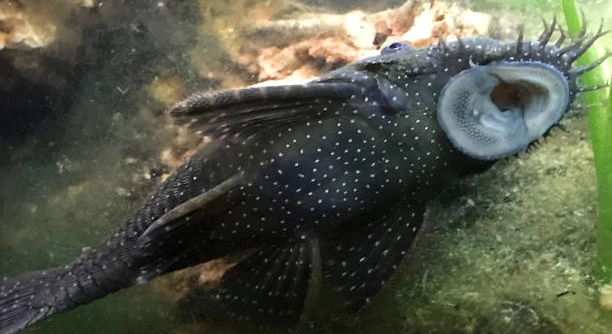
Happy plecostomus behavior can be rewarding to observe. These small, bottom-dwelling fish offer subtle signs of contentment that reveal their well-being. Understanding their needs ensures they thrive in your aquarium environment.
The seven signs of a happy plecostomus include active swimming, consistent feeding, clear skin, regular resting periods, and interactions with tank mates. Additionally, they will exhibit behavior such as browsing surfaces for algae and demonstrating curiosity.
Recognizing these behaviors helps maintain their health and happiness. The following signs will provide clarity on the most common indicators of a thriving plecostomus.
Active Swimming Behavior
When plecostomus are happy, they will exhibit regular swimming activity. These fish are naturally bottom dwellers but enjoy moving around their tank, particularly at night. If your pleco is swimming actively during the day or at night, it is a positive sign of health and comfort. Active swimming shows they feel safe in their environment. They should not be lethargic or spend too much time hiding. In contrast, if they are not swimming much, it could indicate stress or discomfort.
Sometimes, plecostomus will swim near the water’s surface, especially when they are hungry. They can even move quickly when interacting with their tankmates or exploring new areas. These behaviors suggest your pleco is not only happy but is also getting enough stimulation.
If they are consistently active, it indicates their environment is suitable, and they are getting the necessary care. It’s important to keep their tank clean and provide sufficient hiding places. This way, they can enjoy both resting and swimming at their own pace.
Consistent Feeding Habits
Feeding is another clear indicator of a healthy plecostomus. A happy pleco will consistently seek food during feeding times and may even begin to recognize when it’s time for their meals.
They are primarily algae eaters, and many will show interest in consuming algae, sinking pellets, or other food options. If your pleco isn’t eating, it may be a sign of stress, poor water conditions, or an inadequate diet.
Clear Skin and Healthy Appearance
A happy plecostomus typically displays clear, healthy skin with no visible spots or lesions. Their body should be free from parasites, scars, or signs of injury. If your pleco’s skin looks dull or irritated, it could indicate an underlying health issue.
Regular care, proper water conditions, and a balanced diet help maintain their skin. Healthy plecostomus will also show no signs of excessive mucus or scratching against objects, which could point to irritation or infection. Monitoring these small details can prevent larger problems from developing.
Keeping your tank clean and free from harmful chemicals is essential to maintaining their appearance. Additionally, make sure your pleco’s tank mates are compatible and that there is no stress from overcrowding. This ensures your pleco remains in optimal condition.
Regular Resting Periods
Plecostomus need regular resting periods, and a happy pleco will seek out a quiet place to relax. This is completely normal behavior. They often rest in caves, on flat surfaces, or within plants.
Resting allows them to conserve energy and stay healthy. A pleco that rests regularly is likely to be more active during feeding times and when interacting with their environment. As long as your pleco isn’t hiding excessively or showing signs of stress, their resting behavior should be reassuring.
It’s essential to provide your pleco with safe spots to rest. This can include plants, rocks, or caves, which also offer them the security they need. A lack of hiding places may result in stress, affecting their overall behavior.
Browsing Surfaces for Algae
A healthy plecostomus will spend a lot of time browsing the surfaces of the tank, looking for algae or other food sources. This is a sign they are actively foraging and fulfilling their natural instincts.
This behavior shows that your pleco is engaged with their environment and satisfied with the available food supply. If your pleco is not foraging, it may indicate poor water quality or inadequate food. Ensuring there is algae or algae wafers will encourage natural foraging behavior.
Interaction with Tank Mates
Plecostomus can be social with tank mates, especially if they feel safe. If your pleco interacts with other fish, it shows they are confident and comfortable in their surroundings.
These interactions may be minimal but still indicate a level of contentment with the tank’s social environment. Ensuring your pleco is housed with compatible species can reduce stress and promote happiness. A pleco that isn’t engaging at all might be a sign of discomfort or aggression from other tank mates.
Curiosity About the Environment
A happy plecostomus will often show curiosity, exploring different areas of the tank. This behavior shows that they are actively engaging with their environment and have the mental stimulation they need.
Curiosity is a sign that your pleco is not only content but also intrigued by their habitat. If they are consistently exploring different objects, plants, or surfaces, it means they are in a healthy, enriched environment.
FAQ
What are the signs that my plecostomus is stressed?
Stressed plecostomus may hide excessively, become less active, or exhibit changes in skin color. They may also stop eating or show signs of aggression toward tank mates. If you notice these behaviors, it’s essential to check water quality and tank conditions.
Stressed plecos often struggle with poor water parameters, such as high ammonia or low oxygen levels. Other stressors, such as overcrowding, incompatible tank mates, or lack of hiding spots, can contribute to this behavior. Ensuring a clean and well-maintained tank with plenty of hiding spaces can help reduce stress.
Can plecostomus live with other fish?
Yes, plecostomus can generally live with other fish. However, they should be housed with peaceful tank mates that do not compete for space or food. Avoid placing them with aggressive or overly active fish, as this can cause stress.
Plecos tend to be peaceful bottom dwellers but may compete for space if the tank is overcrowded. It’s also important to provide enough algae or sinking pellets, as some fish may outcompete them for food. A well-planned community tank will reduce potential stressors for your pleco.
How often should I feed my plecostomus?
Plecostomus should be fed once or twice a day, depending on their age and the tank’s food supply. They are primarily nocturnal feeders, so you might notice they eat more during the evening or night. It’s essential to provide them with a varied diet to ensure they are getting enough nutrients.
In addition to algae wafers, plecos will eat leftover food from other fish, so it’s important to monitor their diet. Overfeeding can lead to water quality issues, so it’s best to remove any uneaten food after a few hours. Feeding at night ensures your pleco gets its share.
Why is my plecostomus not eating?
If your plecostomus stops eating, it could be due to several factors, including poor water quality, stress, or illness. Check the tank’s water parameters, as high ammonia, low oxygen levels, or inappropriate temperatures can impact appetite.
Another reason could be a lack of food options. Plecos are algae eaters but may not find enough in the tank. Offering a variety of foods like sinking pellets, vegetables, or algae wafers can help encourage them to eat. If this issue persists, consider seeking advice from a vet who specializes in aquatic animals.
How can I tell if my plecostomus is happy?
Happy plecostomus are active, swim around the tank, and regularly forage for food. They have clear skin, a healthy appetite, and engage with their tank mates without showing signs of stress. Regular resting periods in comfortable hiding spots also indicate they feel secure.
If your pleco shows curiosity by exploring the tank and is consistently active during feeding times, it’s a good sign they are content. Keep the tank clean, monitor water parameters, and provide hiding spaces to maintain their happiness.
Do plecostomus need a filter?
Yes, plecostomus need a filter to maintain clean water. As bottom dwellers, they tend to stir up debris, and a good filtration system helps keep the tank clean. It also ensures proper oxygenation, which is crucial for plecos’ health.
The filter should be appropriate for the tank size and maintain stable water conditions. Make sure to clean the filter regularly, as it can become clogged with debris. Without proper filtration, water quality can deteriorate, leading to stress and health issues for your pleco.
Can plecostomus live in freshwater tanks?
Plecostomus are freshwater fish, and they thrive in freshwater aquariums. They prefer slightly acidic to neutral water with temperatures between 72°F and 82°F. It’s essential to keep the water quality stable and ensure proper filtration to mimic their natural habitat.
Although plecos can adapt to different freshwater conditions, they will thrive in an environment that closely matches their natural habitat. Regular water changes and monitoring pH, ammonia, and nitrate levels are key to keeping them healthy in a freshwater tank.
What size tank is best for a plecostomus?
The ideal tank size for a plecostomus is at least 75 gallons, as they can grow quite large. Larger tanks offer more swimming space and help maintain stable water conditions. A small tank may not provide enough space for them to thrive.
Additionally, a larger tank allows for a more natural environment with enough hiding spots, plants, and surface area for foraging. If you plan to keep more than one pleco, it’s crucial to have a tank large enough to accommodate their needs and avoid overcrowding.
Do plecostomus need to be kept in pairs?
No, plecostomus do not need to be kept in pairs. They are generally solitary fish and will do well on their own. However, if you choose to keep more than one, ensure the tank is large enough to reduce competition for food and hiding spaces.
Multiple plecos in a smaller tank may lead to territorial behavior, especially if there are not enough places to rest. It’s important to monitor their interactions, as some plecos can be more aggressive than others.
Final Thoughts
Understanding the signs of happy plecostomus behavior can make a significant difference in their overall health and well-being. When these fish display clear, active behavior and a healthy appearance, it’s a strong indicator that they are comfortable in their environment. Ensuring proper water conditions, offering a balanced diet, and providing suitable tank mates all play a part in keeping your pleco happy and healthy. Regular monitoring of your pleco’s actions can help catch any issues early, allowing you to address them before they become major problems.
Plecostomus are resilient fish, but they still require a level of care and attention to thrive. The proper tank setup, including adequate hiding spaces and water quality, is essential for their happiness. Although they are generally low-maintenance fish, their behavior can reveal a lot about how well they are adjusting to their environment. Regular rest, exploration, and feeding are all signs of a pleco that feels secure in its habitat. By ensuring your pleco has everything it needs, you’ll notice it displaying the healthy and natural behaviors that signal contentment.
Ultimately, keeping a plecostomus requires understanding their specific needs and adjusting the tank environment accordingly. While they can coexist with other species, compatibility and tank space are key factors. By maintaining clean water, offering varied food sources, and providing sufficient space, your pleco will likely thrive and display signs of happiness. Keeping an eye on their behavior and being proactive in addressing any issues can ensure they live a long, healthy life in your aquarium.

Hello,
If you enjoy the content that we create, please consider saying a "Thank You!" by leaving a tip.
Every little bit helps us continue crafting quality advice that supports the health, happiness, and well-being of pets around the world, for pets of all shapes, sizes, and species.
We really appreciate the kindness and support that you show us!