
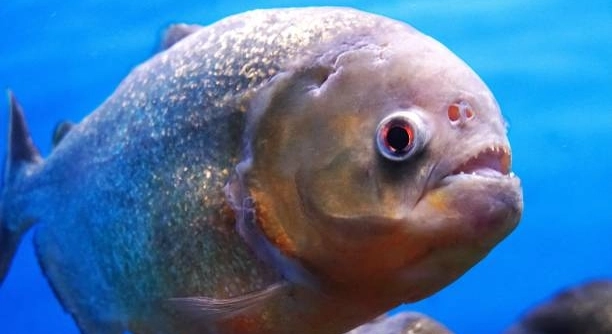
Piranhas are often misunderstood fish known for their sharp teeth and quick movements. Observing their behavior can reveal a lot about how they respond to threats or stress. Recognizing fear responses in piranhas is important for both hobbyists and researchers alike.
Fear responses in piranhas typically manifest through sudden changes in movement, color shifts, increased hiding behavior, rapid breathing, schooling tightly, erratic swimming, and avoidance of potential threats. These signs indicate heightened stress levels and an instinct to protect themselves.
Understanding these signs helps in managing piranhas more effectively and ensures their well-being in captivity or the wild. This article will explain the seven common indicators of fear response in piranhas.
Sudden Changes in Movement
When piranhas feel threatened, their swimming patterns change abruptly. They may dart quickly from one spot to another or freeze momentarily. This sudden shift helps them avoid predators by making their movements unpredictable. In aquariums, rapid movements can signal stress caused by nearby disturbances or overcrowding. Noticing this behavior early allows for adjustments in their environment to reduce fear triggers. Sudden movement shifts are one of the easiest signs to spot and often happen when piranhas detect unfamiliar sounds or vibrations. Keeping their habitat calm and stable minimizes these stress responses. Observing how often and under what conditions these changes occur provides clues about their comfort level. Recognizing this sign can improve care by making sure the fish feel safe and less threatened.
These rapid swimming changes are a clear sign of fear or stress in piranhas, signaling an immediate need for attention to their surroundings.
It is important to monitor these movement patterns consistently. If piranhas frequently display erratic swimming or freezing, it may indicate persistent stress. Addressing water quality, reducing noise, or altering tank setup can help calm them. Changes in movement are an early warning system to prevent further harm or illness.
Color Shifts and Hiding Behavior
Color changes in piranhas often accompany fear responses. Their bodies may become duller or darker when stressed. This shift serves as camouflage or a signal to other fish. Simultaneously, they tend to seek shelter more often, hiding behind rocks or plants. In a tank environment, insufficient hiding spots can increase fear and stress. Providing adequate cover is essential for their comfort.
Fear triggers piranhas to rely on hiding for protection, which helps reduce exposure to perceived threats.
When piranhas change color, it reflects physiological stress responses. The fading or darkening of their scales is linked to adrenaline release, helping them blend into their environment to avoid detection. This response is natural but should not be prolonged. Constant color change can indicate ongoing stress, which weakens the immune system and may lead to disease. Offering a well-structured environment with plenty of shaded areas allows piranhas to feel secure and reduces the frequency of color shifts. Additionally, avoiding sudden changes in lighting or water parameters can prevent unnecessary stress. Observing their preference for hiding spots helps identify if the tank setup meets their needs. Ensuring a balance between open swimming space and shelter promotes healthy behavior and reduces fear responses.
Rapid Breathing and Erratic Swimming
Rapid breathing is a common sign of stress in piranhas. When afraid, their gill movements speed up as their bodies demand more oxygen.
This accelerated breathing usually occurs alongside erratic swimming patterns. The fish may dart suddenly or swim in circles, showing signs of agitation. Such behavior often results from overcrowding, poor water quality, or sudden environmental changes. Monitoring oxygen levels and water parameters helps prevent this. Erratic swimming drains energy quickly and increases vulnerability to illness. Reducing noise and disturbances can calm piranhas and normalize their breathing.
Erratic swimming also signals discomfort or fear. These unpredictable movements make it harder for predators to catch them but can be exhausting. If the behavior persists, it indicates ongoing stress that needs immediate attention to maintain fish health and well-being.
Schooling Tightly and Avoidance of Threats
Piranhas often group tightly when frightened. This behavior provides safety in numbers and decreases the chance of being singled out by predators. Tight schooling is a defensive response that helps them feel more secure.
When piranhas avoid specific areas or objects in their environment, it shows they perceive those as threats. This avoidance helps reduce direct confrontation and potential injury. Changes in tank setup or sudden introduction of new tankmates may cause this behavior. Watching these avoidance patterns is key to identifying stressors and making necessary adjustments to their environment.
Changes in Appetite
Fear often causes piranhas to eat less or stop eating altogether. Stress can suppress their natural hunger, signaling that they do not feel safe in their environment.
A sudden drop in appetite may also indicate health problems linked to prolonged fear. Monitoring feeding habits closely helps identify when something is wrong. Adjusting conditions to reduce stress can encourage normal eating behavior and support recovery.
Increased Aggression
Fear can trigger aggression in piranhas as a defense mechanism. They may nip at tankmates or become territorial when feeling threatened.
This aggressive behavior serves to protect themselves from perceived dangers. In captivity, overcrowding or sudden changes often provoke this response. Addressing the causes reduces aggression and promotes a peaceful environment.
Rapid Color Dulling
When piranhas feel fearful, their bright colors often fade quickly. This change acts as camouflage to avoid attention.
Color dulling is an important sign to watch for, as it indicates stress and discomfort within their environment.
What causes fear responses in piranhas?
Fear responses in piranhas are usually caused by perceived threats in their environment. These threats can include sudden changes in lighting, loud noises, overcrowding, or the presence of predators. In captivity, poor water quality and lack of hiding spaces also contribute to stress. Fear triggers instinctive behaviors meant to protect the fish, such as erratic swimming or hiding.
How can I tell if my piranha is stressed?
Signs of stress in piranhas include rapid breathing, color changes, decreased appetite, and increased aggression. They may swim erratically or group tightly with others. Hiding more than usual or avoiding certain areas of the tank can also indicate fear. Observing these behaviors consistently helps identify if your fish is stressed.
Is it normal for piranhas to show aggression?
Piranhas can be naturally aggressive, but fear often heightens this behavior. When they feel threatened, they become more territorial and may nip at tankmates. Aggression linked to stress usually decreases once the environment is stabilized and threats are removed.
Can poor water quality cause fear responses?
Yes. Poor water quality stresses piranhas, causing fear responses like rapid breathing and erratic swimming. High ammonia, nitrite, or nitrate levels can harm their health and trigger fear behaviors. Regular water testing and changes prevent this.
How does overcrowding affect piranhas?
Overcrowding increases stress by limiting space and causing competition for food and shelter. This can lead to fear responses such as schooling tightly, aggression, and hiding. Ensuring adequate tank size and proper population density reduces these issues.
What should I do if my piranha is hiding too much?
Hiding is a natural fear response but excessive hiding indicates stress. Make sure the tank has enough hiding spots but also enough open swimming space. Check for potential stressors like loud noises, poor water quality, or aggressive tankmates and address these.
Do piranhas recover from fear responses?
Piranhas can recover if stressors are removed or minimized. Providing a stable environment, clean water, proper tank setup, and peaceful companions helps reduce fear. Recovery time varies, so consistent care and observation are important.
Can diet affect fear responses?
Yes. A balanced diet supports immune health, which helps piranhas handle stress better. Poor nutrition can weaken them and make fear responses more pronounced. Feeding high-quality food in appropriate amounts helps maintain their overall health and reduces stress.
Is rapid breathing always a sign of fear?
Rapid breathing often indicates fear or stress, but it can also signal poor water oxygen levels or illness. It is important to check water quality and observe other behaviors to determine the cause. Addressing the environment usually helps normalize breathing.
How do I create a less stressful environment for piranhas?
Provide a well-structured tank with plenty of hiding places, stable water parameters, and minimal disturbances. Avoid sudden lighting changes or loud noises. Keep tankmates compatible and avoid overcrowding. These steps help reduce fear and promote natural behavior.
Can piranhas sense danger from outside the tank?
Yes, piranhas are sensitive to vibrations, movements, and noises outside the tank. Sudden activity near the tank can trigger fear responses. Minimizing external disturbances helps keep them calm.
Why do piranhas school tightly when afraid?
Tight schooling reduces individual vulnerability by confusing predators and creating a collective defense. This natural response makes the group appear larger and harder to attack, increasing each fish’s chance of survival.
Are color changes reversible in piranhas?
Usually, yes. Color changes caused by fear or stress tend to reverse when the fish feel safe again. However, prolonged stress may cause lasting effects or health issues. Maintaining a calm environment helps restore natural coloration.
How long does it take for fear responses to stop after removing stressors?
The time varies depending on the fish and severity of stress. Some piranhas recover within days, while others take weeks. Consistent care and a stable environment speed up recovery and help prevent recurring fear responses.
What are signs of long-term stress in piranhas?
Long-term stress may cause chronic color dulling, persistent hiding, constant aggression, poor appetite, and weakened immune function. These signs suggest ongoing fear that requires immediate intervention to prevent illness or death.
Can introducing new piranhas cause fear responses?
Yes. New fish disrupt social order and may trigger fear or aggression. Quarantining new additions and slowly acclimating them reduces stress for both new and existing piranhas.
Is it safe to handle piranhas when they are fearful?
Handling stressed piranhas increases fear and risks injury to both fish and handler. It is best to minimize handling and focus on improving tank conditions to reduce fear.
What role does tank lighting play in piranha fear?
Bright or sudden lighting changes can cause stress and fear responses. Piranhas prefer dim or natural lighting with gradual transitions. Adjusting lighting helps create a comfortable environment.
How do I know if fear responses are due to illness?
If fear signs accompany physical symptoms like spots, swelling, or lethargy, illness may be the cause. In this case, treating the disease and improving conditions is necessary to reduce fear responses.
Can fear responses affect piranha breeding?
Yes. Fear and stress reduce reproductive behavior and success. A calm, secure environment is necessary for piranhas to breed successfully. Reducing fear improves breeding outcomes.
Final Thoughts
Recognizing signs of fear in piranhas is essential for maintaining their health and well-being. These fish show fear through changes in behavior such as rapid breathing, erratic swimming, and increased aggression. They may also school tightly, hide more than usual, or display color changes when stressed. Understanding these signs helps in identifying problems early and taking steps to improve their environment. Proper care ensures piranhas live comfortably and reduces the risks of illness or injury caused by prolonged stress.
Creating a stable environment is key to minimizing fear responses in piranhas. This includes maintaining clean water with correct temperature and oxygen levels, providing adequate space, and avoiding overcrowding. It is also important to reduce sudden noises or disturbances around the tank. Adding sufficient hiding places allows piranhas to feel secure. Monitoring their behavior regularly and adjusting tank conditions accordingly will promote a calm and healthy habitat. These measures support natural behavior and reduce the chances of fear-related problems.
Taking care of piranhas requires attention to detail and consistency. Their responses to fear are natural but should not be ignored, as they often signal underlying issues in their habitat. By paying close attention to changes in appetite, swimming patterns, and social behavior, owners can act promptly to improve conditions. A peaceful environment leads to healthier fish with longer lifespans. Overall, understanding fear responses and how to manage them is an important part of responsible piranha care.

Hello,
If you enjoy the content that we create, please consider saying a "Thank You!" by leaving a tip.
Every little bit helps us continue crafting quality advice that supports the health, happiness, and well-being of pets around the world, for pets of all shapes, sizes, and species.
We really appreciate the kindness and support that you show us!