
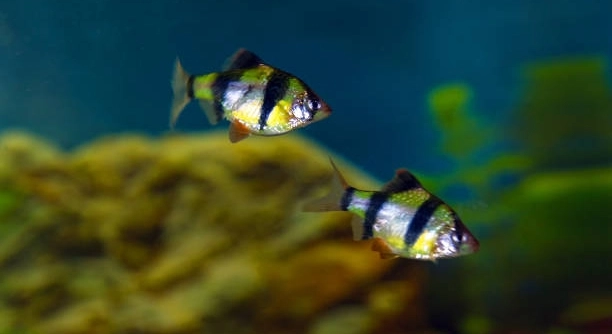
Barbs are popular freshwater fish known for their lively behavior and striking colors. However, these fish can experience environmental stress that affects their health and appearance. Recognizing early signs is important for their care and well-being.
Environmental stress in barbs manifests through changes such as faded colors, erratic swimming, loss of appetite, increased hiding, frayed fins, clamped fins, and rapid gill movement. These signs indicate poor water quality, inadequate tank conditions, or improper diet affecting their overall health.
Identifying these signs early helps maintain a healthy aquarium environment for barbs. This article outlines key indicators to watch for and how they reflect the fish’s stress levels.
Faded Colors and Erratic Swimming
Faded colors in barbs are often one of the first signs of environmental stress. When their vibrant scales start losing brightness, it usually means something is off in their tank. This can happen due to poor water quality, incorrect temperature, or insufficient lighting. Along with color changes, erratic swimming patterns may appear. Barbs might dart around nervously, swim in circles, or stay near the surface or bottom for long periods. These behaviors are clear signals that the fish are uncomfortable. Maintaining clean water, stable temperature, and proper tank setup can help barbs regain their color and normal behavior. Regular water testing and proper filtration are key steps in avoiding stress in your fish.
Erratic swimming and faded colors indicate a stressful environment for barbs. These symptoms should be addressed quickly to avoid further health issues.
Watching for these signs helps prevent illness. Correcting tank conditions and improving water quality can restore the fish’s natural colors and calm swimming patterns.
Loss of Appetite and Increased Hiding
Loss of appetite is a common stress response in barbs. When fish stop eating or eat less than usual, it means their environment may be causing discomfort. Stress can weaken their immune system, making them more vulnerable to disease. Alongside this, barbs may hide more often. They might stay behind decorations, plants, or in corners, avoiding open spaces. Increased hiding is a way for fish to protect themselves when they feel threatened or stressed. To improve their condition, it is important to check water parameters like ammonia, nitrite, and nitrate levels, as well as temperature and pH. Feeding high-quality food and maintaining a stable environment encourages barbs to eat normally and reduces their need to hide. Monitoring these behaviors is essential for keeping barbs healthy and comfortable in their habitat.
Frayed and Clamped Fins
Frayed fins are a clear sign of stress or injury in barbs. They may result from poor water quality or aggressive tank mates. Clamped fins, where fins are held close to the body, also indicate discomfort or illness.
Poor water conditions can weaken the fish’s fins, making them prone to tearing. Barbs may also damage their fins if housed with aggressive fish that nip at them. Regular water changes and avoiding overcrowding reduce the risk of fin damage. Observing tank mates for aggressive behavior helps prevent stress-related injuries. Ensuring a balanced diet with enough nutrients supports fin healing and overall fish health. If the problem persists, treatment with antibacterial or antifungal medications might be necessary.
Clamped fins show that barbs are under stress or fighting off disease. They often curl their fins tight to the body to protect themselves. This behavior should prompt immediate checking of water conditions and tank environment. Addressing these issues quickly can prevent more serious health problems. Monitoring fin condition regularly helps catch stress early and keeps your fish comfortable and active.
Rapid Gill Movement
Rapid gill movement signals that barbs may be struggling to breathe properly. This can be caused by low oxygen levels, poor water quality, or high ammonia concentrations. Watching your fish’s breathing rate can reveal hidden stress that isn’t immediately obvious. Barbs with rapid gill movement often stay near the surface, trying to access more oxygen.
Low oxygen in the tank is a common problem when filtration or aeration is insufficient. Excessive ammonia or nitrites from waste buildup also irritate gills, making breathing difficult. Regular water testing and partial water changes reduce these toxins and improve oxygen availability. Adding air stones or increasing water flow can help oxygenate the tank. Ensuring the tank is not overcrowded also reduces stress on the fish’s respiratory system. Prompt action improves the fish’s comfort and prevents long-term damage to their gills.
Increased Hiding
Barbs tend to hide more when stressed. They may stay behind plants, decorations, or in dark corners of the tank. This behavior helps them feel safer from perceived threats.
Hiding excessively reduces their activity and may affect feeding. A calm, stable environment with gentle tank mates encourages barbs to be more visible and active.
Changes in Social Behavior
Barbs are naturally social fish and often swim in groups. When stressed, their social behavior can change noticeably. They might isolate themselves, avoid group swimming, or become unusually aggressive toward other fish. These shifts often signal discomfort caused by tank conditions, overcrowding, or illness. Monitoring social interactions closely can reveal early signs of stress. Ensuring enough space and maintaining consistent water quality helps preserve their natural social habits. Adjusting the tank environment to reduce stress encourages barbs to return to their typical, peaceful group behavior and promotes overall well-being.
Loss of Brightness
Stress can cause barbs to lose their usual bright colors. This dulling often reflects poor health or unfavorable tank conditions.
Unusual Swimming Patterns
Swimming in erratic or unusual ways is a clear sign of discomfort or stress in barbs.
What causes environmental stress in barbs?
Environmental stress in barbs is usually caused by poor water quality, improper tank conditions, and unsuitable diet. High levels of ammonia, nitrites, or nitrates, inconsistent temperature, overcrowding, and lack of hiding spaces all contribute to stress. Stress can also result from aggressive tank mates or sudden changes in the environment. These factors weaken the fish’s immune system, making them more prone to illness and behavioral changes. Regular maintenance and monitoring of tank conditions help prevent these stressors.
How can I tell if my barb is stressed?
Signs of stress include faded colors, erratic swimming, loss of appetite, increased hiding, frayed or clamped fins, and rapid gill movement. Changes in social behavior, such as isolation or aggression, also indicate stress. Observing your fish daily helps you notice these symptoms early. Quick action can prevent further health issues.
Why are my barbs hiding so much?
Barbs hide more when they feel threatened or stressed. This can happen due to aggressive tank mates, poor water quality, or lack of adequate shelter. Hiding is a natural defense, but excessive hiding means the fish is uncomfortable. Improving tank conditions and reducing stressors encourages more normal behavior.
What should I do if my barbs have clamped fins?
Clamped fins show discomfort or illness. First, test water parameters for toxins or imbalances. Perform water changes to improve quality and ensure the tank isn’t overcrowded. Keep the environment stable and provide a balanced diet. If fins do not improve, consider consulting a vet or using appropriate medication for infections.
Can poor water quality cause my barbs to lose color?
Yes, poor water quality often leads to faded colors in barbs. High ammonia, nitrites, or nitrate levels irritate the fish and weaken their immune system. Proper filtration, regular water changes, and monitoring water chemistry are essential to maintain vibrant colors and healthy fish.
How often should I check my tank’s water parameters?
It’s best to check water parameters like ammonia, nitrite, nitrate, pH, and temperature at least once a week. Regular testing helps catch problems early before they stress your fish. Consistency in testing supports a stable environment and reduces the risk of sudden changes that cause stress.
Is rapid gill movement a sign of disease?
Rapid gill movement can indicate disease but often points to poor water quality or low oxygen levels. If your barbs are gasping at the surface or breathing quickly, check water conditions immediately. Improving oxygenation and water cleanliness usually helps, but if symptoms continue, consult a specialist.
How can I reduce stress in a barb aquarium?
Maintain clean water with stable temperature and balanced pH. Avoid overcrowding and provide plenty of hiding spots. Feed a varied, nutritious diet and select peaceful tank mates. Regular monitoring and gentle handling reduce stress and help fish stay healthy and active.
What foods help stressed barbs recover?
High-quality, varied diets support recovery. Include flakes, pellets, frozen or live foods like bloodworms, brine shrimp, and daphnia. Nutrient-rich foods improve immune function and overall health, helping stressed barbs regain strength and color.
Can stress in barbs lead to illness?
Yes, prolonged stress weakens the immune system, making barbs more vulnerable to infections and diseases. Addressing stress early by improving tank conditions prevents many health problems and supports long-term well-being.
Environmental stress in barbs is a serious issue that affects their health and happiness. When barbs show signs like faded colors, erratic swimming, or hiding too much, it means their environment needs attention. These signs are ways the fish communicate discomfort or illness. By paying close attention to these behaviors, it is possible to catch problems early and make necessary changes before the situation worsens. A well-maintained tank with clean water, stable temperature, and proper space plays a big role in reducing stress. Regular testing and care help ensure the barbs remain healthy and vibrant.
Stress not only changes the way barbs look and act but also weakens their immune system. This makes them more likely to get sick from infections or parasites. It is important to keep water parameters in check and provide a suitable environment. Overcrowding and aggressive tank mates can increase stress, so choosing compatible fish and giving barbs enough room is essential. Feeding a balanced diet also supports their health and recovery from stress. Small efforts in maintaining the tank and observing the fish closely make a big difference in their well-being.
Overall, understanding and recognizing environmental stress in barbs helps prevent many common problems. It allows fish owners to create a safe and comfortable home for their fish. Maintaining good water quality, proper tank setup, and careful monitoring are key steps. Stress signs should never be ignored, as early action can save the fish from serious health issues. Taking the time to care for barbs properly leads to a more enjoyable and successful aquarium experience for both the fish and their caretakers.

Hello,
If you enjoy the content that we create, please consider saying a "Thank You!" by leaving a tip.
Every little bit helps us continue crafting quality advice that supports the health, happiness, and well-being of pets around the world, for pets of all shapes, sizes, and species.
We really appreciate the kindness and support that you show us!