
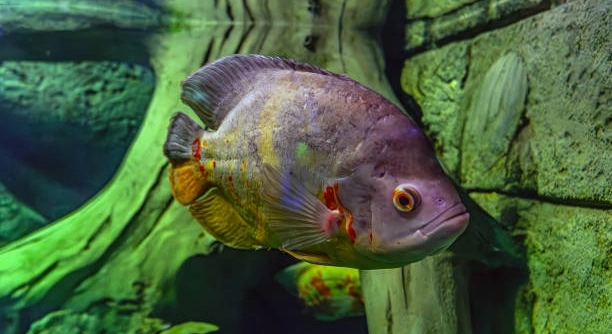
Oscar fish are beautiful, vibrant creatures, but they can sometimes show signs of confusion due to their environment. Understanding these signs can help you create a more suitable habitat for your fish.
Environmental confusion in Oscar fish often results from improper water conditions, poor tank placement, or sudden changes in their surroundings. Common signs include erratic swimming, hiding, lack of appetite, or aggressive behavior. Identifying these signs early can prevent further stress.
Recognizing these signs is the first step to improving your Oscar’s well-being. This guide will provide helpful tips on how to adjust their environment for a healthier and happier fish.
Water Conditions and Quality
Oscar fish are sensitive to changes in water quality. A slight imbalance in pH levels, temperature, or ammonia can lead to stress, making your fish feel disoriented. Monitoring the water parameters regularly is essential. Poor water quality can result in your Oscar becoming sluggish or aggressive. Keeping the tank clean and performing water changes frequently can help maintain a stable environment.
Your Oscar fish depend on clean, well-maintained water to thrive. If the water is cloudy or dirty, the fish may hide more than usual or swim erratically. Sudden shifts in temperature or pH will make them anxious. Test the water often to ensure it stays within the recommended range.
Make sure you have the right filtration system for your tank. A good filter will help remove harmful toxins and keep the water clean. Remember to change the filter media every few weeks and replace it when needed. If the water is clean and the temperature is stable, your Oscar fish will feel more secure and comfortable.
Tank Placement and Environment
The placement of your Oscar’s tank plays a major role in its behavior. If your fish are placed in a high-traffic area, they may feel stressed by the constant movement. A calm, quiet space in your home is ideal for them to thrive.
A peaceful tank location gives your Oscar the space it needs to swim freely. Bright lights and loud noises can cause anxiety and make the fish more likely to hide or act aggressively. Make sure the tank is not placed near loud appliances or other pets that might disturb the fish.
A stable and quiet environment helps your Oscar feel safe. Avoid placing the tank near windows where sunlight may cause temperature fluctuations. Keep the area around the tank free from noise and distractions to allow your fish to relax and adjust to their home.
Tank Size and Space
A cramped tank will cause stress for your Oscar fish. They need enough space to swim and grow comfortably. The minimum tank size for an adult Oscar is 55 gallons, but larger is always better. Overcrowding will lead to aggression and poor health.
When choosing a tank, remember that Oscars grow quickly and can reach up to 18 inches. They need room to move without feeling restricted. If the tank is too small, your fish may become more territorial or develop unhealthy behaviors. A larger tank not only helps them feel at ease but also makes it easier to maintain water quality.
With ample space, your Oscar will be less likely to display signs of confusion or frustration. The more room they have to explore, the happier and healthier they will be. Make sure to account for tank mates, decorations, and filtration when considering the space your Oscar needs.
Uneven or Sudden Lighting
Lighting plays an important role in an Oscar’s environment. If the lighting is too bright or changes abruptly, it can make them feel unsettled. Oscars prefer a more natural, subdued lighting setup. A tank with constant bright lights will cause your fish to hide or behave aggressively.
Sudden changes in lighting can disorient your Oscar. If you turn the lights on and off too frequently, it can stress them out. Stick to a consistent light schedule, with soft lighting during the day and a period of darkness at night. This helps maintain a natural day-night cycle.
Additionally, avoid placing the tank under direct sunlight. The fluctuating light levels can disturb their routine and increase algae growth. Proper lighting is vital for their overall well-being, so invest in a reliable light source and use a timer for consistency.
Tank Mates and Compatibility
Oscar fish can be aggressive, especially when stressed. Choosing compatible tank mates is crucial. If placed with the wrong fish, they may become territorial and show signs of confusion. Avoid small, slow-moving fish that can be seen as prey.
Oscar fish thrive in tanks with larger, more robust companions. They can get along with other big, active fish that won’t challenge their space. Avoid placing Oscars with overly aggressive species, as constant fighting can increase stress and confusion. Properly selecting tank mates can help your Oscar feel more secure and prevent erratic behavior.
Feeding Routine
A consistent feeding schedule helps regulate your Oscar’s behavior. Random feeding times can confuse your fish and cause stress. Stick to a set feeding routine every day.
Providing a balanced diet will ensure your Oscar stays healthy. If the fish is not getting the proper nutrition, they may become lethargic or aggressive. High-quality pellets, along with occasional treats like live or frozen foods, will keep your Oscar well-fed and happy.
FAQ
How can I tell if my Oscar fish is stressed?
Signs of stress in Oscar fish include erratic swimming, hiding for long periods, loss of appetite, or aggression towards other tank mates. If your Oscar is constantly swimming in circles or staying in one spot without moving, this may indicate stress. Checking the water parameters and tank environment can help identify what might be causing the issue.
What is the best water temperature for Oscar fish?
Oscar fish thrive in water temperatures between 74°F and 81°F (23°C to 27°C). If the temperature fluctuates outside this range, your fish may become stressed, which can affect their health and behavior. It’s essential to use a reliable aquarium heater to maintain a consistent water temperature for your Oscar’s comfort.
Why is my Oscar fish swimming at the surface?
If your Oscar is swimming near the surface, it could be a sign of low oxygen levels in the tank. It’s essential to ensure proper filtration and aeration. Sometimes, Oscar fish swim at the surface when they’re feeling stressed or looking for food, but if it’s a persistent behavior, the water quality may need adjusting.
How often should I change the water in my Oscar fish tank?
For Oscar fish, it’s best to change 25-30% of the water every week to maintain good water quality. Since Oscars are messy eaters, water quality can degrade quickly. Regular water changes will help keep ammonia and nitrate levels low, preventing stress and promoting overall health.
Can Oscar fish live with other fish?
Yes, Oscars can live with other fish, but compatibility is key. They do best with other large, non-aggressive fish. Small, slow-moving fish may be seen as prey. Avoid placing Oscars with overly aggressive or territorial species, as this can lead to fights and added stress for both fish.
Is it normal for my Oscar fish to be aggressive?
Oscar fish can be aggressive, especially when they feel threatened or when their space is invaded. This is natural behavior, but if it becomes excessive or is directed at other tank mates, it may be a sign that the tank environment needs adjusting. Providing enough space and choosing compatible tank mates can help reduce aggression.
What should I feed my Oscar fish?
Oscar fish are carnivorous and require a diet rich in protein. High-quality pellets specifically designed for carnivorous fish are a good base. You can also supplement their diet with frozen or live foods like worms, shrimp, and small fish. Avoid feeding them too many high-fat foods to maintain a healthy weight.
How big does an Oscar fish get?
Oscar fish can grow quite large, typically reaching 12-18 inches in length when fully grown. It’s essential to provide them with a spacious tank to accommodate their size and active nature. A 55-gallon tank is the minimum for one adult Oscar, but larger tanks are better.
What are the signs of illness in Oscar fish?
Common signs of illness in Oscar fish include abnormal swimming patterns, loss of appetite, changes in color, and abnormal growths or lesions on their body. If your fish becomes lethargic or exhibits strange behavior, it’s important to check the water quality and monitor for any external signs of disease.
How can I keep my Oscar fish from becoming too aggressive?
To reduce aggression, provide plenty of space and avoid overcrowding. Ensure that the tank has enough hiding places and territories for each fish to claim. Keeping only a few tank mates that are similar in size and temperament can also prevent territorial disputes and reduce aggression.
Why is my Oscar fish not eating?
If your Oscar isn’t eating, it could be a sign of stress, illness, or poor water conditions. Check the water parameters to ensure they’re within the ideal range. If everything seems normal and the fish still isn’t eating, consider offering different types of food or consulting a vet for further advice.
Final Thoughts
Oscar fish are beautiful and fascinating creatures, but they require a specific environment to thrive. If you notice any signs of environmental confusion, it’s important to address the issues quickly. Poor water conditions, inadequate tank space, or sudden changes in their environment can cause your Oscar to act out or become stressed. The key to maintaining a healthy Oscar is understanding their needs and making sure their habitat meets those needs.
By regularly testing water quality, adjusting lighting, and ensuring the tank is large enough, you can significantly improve your Oscar’s well-being. They are sensitive to changes, so consistency is important. Providing the right water temperature, filtration system, and feeding routine will help keep your fish healthy and happy. Pay attention to their behavior, as it can provide valuable clues about their environment.
Remember, Oscars are intelligent fish that enjoy having space to swim and explore. Offering the right tank mates and making sure they feel secure will reduce aggression and stress. With proper care, your Oscar can thrive in a healthy, peaceful environment, and you’ll be able to enjoy watching them grow and display their vibrant colors.

Hello,
If you enjoy the content that we create, please consider saying a "Thank You!" by leaving a tip.
Every little bit helps us continue crafting quality advice that supports the health, happiness, and well-being of pets around the world, for pets of all shapes, sizes, and species.
We really appreciate the kindness and support that you show us!