
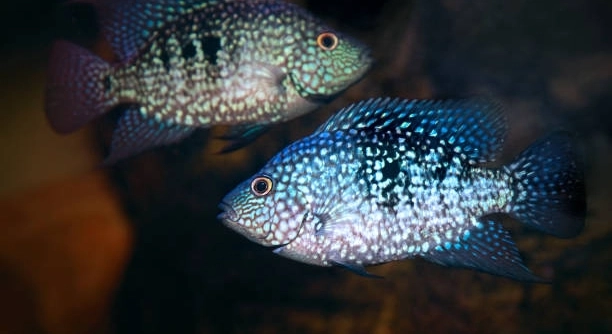
Caring for Jack Dempsey fish means noticing small changes that affect their health and behavior over time. Early awareness helps owners respond calmly, protect aquarium balance, and support a stronger, longer life for these cichlids.
Disease in Jack Dempsey fish is commonly indicated by reduced appetite, faded coloration, clamped fins, abnormal swimming patterns, labored breathing, visible lesions, and isolation behavior. These signs reflect underlying stress, infection, or environmental imbalance requiring prompt evaluation and husbandry practices.
Recognizing these warning signs helps prevent serious loss, improves daily care decisions, and supports a healthier aquarium environment overall stability.
Behavior and Appearance Changes
I have learned that the first signs of disease in Jack Dempsey fish often appear through subtle behavior and appearance changes. Reduced appetite is common and usually happens alongside less interaction with the tank. Colors may fade, especially around the face and fins, giving the fish a dull look. Clamped fins, where fins stay close to the body, often signal discomfort or stress. Swimming may become uneven, with slow drifting or sudden darting. These changes are rarely random and often point to water quality problems or internal issues. When I notice these signs early, I focus on observation rather than panic. Quiet monitoring helps confirm patterns instead of one time behaviors. Consistent changes over several days usually mean the fish is struggling. Addressing these signals early supports recovery and helps maintain a stable aquarium environment. This careful attention reduces losses and strengthens my confidence as a responsible aquarium keeper overall.
Visual symptoms often progress quickly when ignored. White spots, frayed fins, swollen eyes, or patches on the body indicate infection or injury. These signs usually develop after prolonged stress and rarely resolve without correcting water conditions and daily care routines. Prompt action limits spread and prevents long term damage inside.
Behavioral changes are just as important as physical symptoms. Jack Dempsey fish are normally alert and territorial, so withdrawal is a strong warning sign. Hiding for long periods or staying near the tank bottom suggests weakness. Rapid gill movement may point to oxygen problems or parasites. Scratching against objects can signal irritation. I have found that pairing these behaviors with appearance changes gives a clearer picture. One symptom alone may pass, but several together usually confirm disease. Careful notes help track progression and guide timely treatment decisions. This approach keeps responses calm, organized, and effective during stressful situations for me.
Environmental and Health Triggers
Disease rarely appears without cause. Poor water quality, unstable temperature, and overcrowding weaken Jack Dempsey fish over time. Diet imbalance and sudden tank changes also increase risk. These factors often overlap, creating stress that lowers immunity and slows natural healing processes. Managing basics consistently reduces health problems significantly over time.
Maintaining stable conditions is the most effective way to prevent disease in Jack Dempsey fish. I prioritize weekly water testing to monitor ammonia, nitrite, nitrate, and pH levels. Clean, warm water supports metabolism and reduces stress responses. Filtration should be strong but gentle enough to avoid constant turbulence. Feeding a varied diet with quality pellets and occasional protein helps maintain strength and coloration. Overfeeding leads to waste buildup, so portions should be controlled. Quarantine practices are also important. New fish or plants can introduce illness even when they appear healthy. A separate holding tank allows observation before introduction. Lighting schedules should remain consistent, as sudden changes disrupt behavior. When illness does appear, isolating the affected fish protects the rest of the tank. Medication should be chosen carefully and used as directed. Combined with patience and steady care, these steps greatly reduce recurring problems and help the aquarium remain balanced. I have seen long term improvement by keeping routines predictable and simple. Small adjustments, done consistently, matter more than drastic changes. Careful observation, basic maintenance, and restraint form a reliable foundation for lasting fish health. This steady approach has worked best for me across many tank setups over the years consistently.
Breathing and Swimming Issues
I notice breathing problems when Jack Dempsey fish stay near the surface or show rapid gill movement. Swimming may become weak, tilted, or erratic. These signs often suggest oxygen shortage, gill irritation, or internal stress that needs attention quickly. Early response improves survival and reduces lasting damage in affected fish.
When breathing and swimming issues appear, I first check water quality and temperature. Low oxygen levels often follow dirty filters or overcrowding. High ammonia or nitrite damages gills and limits oxygen uptake. Sudden temperature drops slow metabolism and weaken movement. Stress from aggressive tank mates can also force constant motion or hiding. I avoid chasing the fish and keep lighting low to reduce strain. Small water changes help stabilize conditions without shock. Observing improvement over the next day helps confirm whether the issue was environmental rather than disease. This careful process keeps decisions steady and prevents unnecessary medication use errors.
Persistent breathing problems may indicate parasites, bacterial infection, or gill damage. I look for flared gills, mucus buildup, or rubbing against tank objects. These signs rarely resolve without treatment. Isolating the fish reduces stress and protects others. I follow medication instructions closely and avoid mixing treatments. Extra aeration supports recovery during illness. Feeding is reduced to limit waste and strain. Progress is slow, but stable breathing and balanced swimming usually return first. Consistency and patience make the difference during this stage. I track changes daily and adjust care slowly to avoid setbacks during recovery periods with close attention overall health.
External Marks and Appetite Loss
Visible marks and appetite loss are strong disease indicators. White spots, red sores, or fuzzy patches point to infection. Frayed fins suggest prolonged stress or fin rot. Refusing food for several days weakens immunity. I pay attention to chewing and spitting, which signals mouth discomfort. These symptoms often appear together and worsen quickly when ignored. Color loss and swelling may also develop as the condition advances further over time without proper care or intervention steps.
When appetite drops, I review feeding habits and tank conditions immediately. Poor water quality often suppresses hunger before other signs appear. Uneaten food should be removed to prevent decay. I switch to easily digestible foods and feed smaller amounts. External marks require close inspection. Some infections spread fast in warm water. Isolation limits transmission and allows focused care. I avoid scrubbing lesions, as this increases injury risk. Medication choice depends on whether spots are fungal, bacterial, or parasitic. Clear identification prevents ineffective treatment. Healing takes time, and scars may remain. Appetite usually returns before appearance improves. I rely on steady routines and observation rather than frequent changes. This approach reduces stress and improves recovery consistency. It helps me stay calm and respond with purpose consistently.
Lethargy and Isolation
Lethargy becomes obvious when a Jack Dempsey fish rests for long periods and ignores tank activity. I often see isolation near corners or decorations. This behavior signals weakness, stress, or pain. Normal territorial movement decreases, and response to stimuli becomes slow over time without improvement with careful daily observation routines.
When isolation persists, I review tank dynamics and water parameters immediately. Aggression from other fish can force hiding. Low temperature slows activity. Poor lighting increases stress. I reduce disturbances and keep conditions steady. Gradual improvement confirms the cause was environmental rather than advanced illness after consistent monitoring periods over time.
Abnormal Waste and Bloating
Changes in waste and body shape often indicate internal problems. Stringy white feces suggest parasites or digestive stress. Bloating may signal constipation or infection. I check feeding amounts and food quality first. Overfeeding causes pressure and discomfort. Peas or fasting help mild cases. Persistent swelling requires isolation and treatment. I watch for pinecone scaling, which points to fluid buildup. Water quality strongly affects digestion, so clean conditions matter. Improvement is slow, but waste normalizing usually comes before visible body changes. I document progress daily and avoid sudden adjustments during recovery to reduce stress and prevent relapse risks over time consistently.
Eye and Skin Changes
Cloudy eyes and skin changes are clear warning signs. Swelling, redness, or film often point to infection or injury. I avoid handling and focus on water stability. Clean conditions support healing. Medication is used carefully, as misuse can worsen tissue damage quickly during recovery periods with close observation daily routines.
FAQ
How can I tell if my Jack Dempsey fish is sick?
I pay attention to changes in behavior, appetite, and appearance. Reduced movement, hiding, clamped fins, and faded colors are often the first warning signs. Rapid gill movement, unusual swimming, bloating, or visible spots also indicate health issues. Tracking daily routines helps me notice subtle differences before they worsen.
What should I do if my Jack Dempsey shows white spots?
White spots are often signs of ich, a parasitic infection. I isolate the affected fish in a separate tank to prevent spread. I carefully raise the water temperature slightly, maintain clean water, and use a suitable ich treatment as directed. Observation during this period is key to ensuring recovery.
Why is my Jack Dempsey not eating?
Loss of appetite can result from stress, poor water quality, or internal illness. I check tank parameters like ammonia, nitrite, nitrate, and temperature first. Overcrowding or aggressive tank mates may also be a cause. I offer high-quality, easy-to-digest foods and feed smaller portions to encourage eating without overloading the system.
How do I prevent diseases in Jack Dempsey fish?
I focus on maintaining stable water conditions and proper diet. Regular water testing, consistent temperature, and proper filtration reduce stress. Overfeeding is avoided to prevent waste buildup. Quarantining new fish or plants before introduction limits infection risk. Consistent care routines help keep the fish strong and resilient over time.
What does bloating in Jack Dempsey fish indicate?
Bloating can be caused by constipation, internal infection, or fluid buildup. I reduce feeding temporarily and offer easily digestible foods like peas. Persistent swelling often requires isolation and possible medication. Clean, well-maintained water helps recovery. Monitoring progress over several days ensures the condition is improving.
How can I tell if my fish has fin rot?
Frayed, ragged, or discolored fins are signs of fin rot, often caused by bacterial infection or stress. I isolate affected fish, clean the tank thoroughly, and consider an antibacterial treatment if necessary. Stabilizing water parameters and avoiding overcrowding prevent the problem from worsening.
Are cloudy eyes dangerous for Jack Dempsey fish?
Cloudy or swollen eyes often indicate bacterial or fungal infection, poor water quality, or injury. I avoid handling the fish and ensure water is clean and stable. Medications for eye infections are used carefully, following instructions closely. Improvement can be slow but steady with consistent care.
What are the early warning signs of stress in Jack Dempsey fish?
I notice clamped fins, color fading, hiding, and reduced activity as early signs. Rapid gill movement, erratic swimming, or rubbing against objects also indicates stress. I check water quality, tank temperature, and social interactions, adjusting conditions gently to reduce tension and prevent illness.
How often should I monitor my Jack Dempsey for disease signs?
Daily observation is essential. I check behavior, feeding, swimming patterns, and appearance consistently. Keeping notes of changes helps detect issues early. Small, consistent monitoring habits prevent minor problems from becoming serious health threats.
Can diet affect Jack Dempsey fish health?
Yes. I feed a varied diet including high-quality pellets and occasional protein treats. Overfeeding leads to bloating, poor water quality, and stress. Balanced nutrition strengthens immunity, supports growth, and maintains bright coloration. Monitoring intake carefully reduces the risk of digestive problems and disease.
What should I do if multiple fish show symptoms?
If several fish are affected, water quality or contagious disease is likely. I test water immediately and perform partial water changes. Isolation of severely affected fish helps prevent further spread. Treatments are chosen based on symptoms and confirmed causes, and tank hygiene is increased to limit infections.
How long does recovery usually take?
Recovery time varies depending on the disease and severity. Mild stress or digestive issues may improve in a few days with proper care. Bacterial or parasitic infections often take one to two weeks of treatment and stable conditions. I remain patient, avoiding sudden changes that could set back progress.
Can environmental changes cause disease in Jack Dempsey fish?
Yes. Sudden temperature shifts, poor filtration, overcrowding, or low oxygen levels can weaken fish and trigger illness. I maintain steady conditions, monitor water parameters, and limit stress to prevent these problems. Observing reactions to changes helps me correct issues early before disease develops.
Is it safe to treat multiple diseases at once?
Treating multiple conditions simultaneously requires caution. I focus on one confirmed issue at a time to prevent medication interactions and stress. Isolation tanks allow targeted treatment. Monitoring the fish closely ensures the treatment is working without causing further harm. Patience and careful observation are essential.
How can I help a recovering Jack Dempsey regain strength?
I maintain stable water conditions, provide balanced nutrition, and reduce stress by keeping the tank quiet. Gradual reintroduction to normal feeding and activity routines supports healing. Small, consistent steps prevent setbacks and improve long-term health and vitality in the fish.
Final Thoughts
Caring for Jack Dempsey fish requires attention to small changes in behavior, appearance, and environment. I have learned that early detection of problems makes a big difference. Reduced appetite, color fading, clamped fins, or unusual swimming patterns are not always obvious at first, but noticing them early can prevent serious illness. Observing the fish daily allows me to track normal behavior and detect when something feels off. Even minor changes, like brief hiding or slower swimming, can indicate stress or early disease. By paying attention consistently, I can respond quickly before problems escalate, and this steady approach has made tank maintenance feel manageable rather than overwhelming.
Maintaining a clean, stable tank is essential for keeping Jack Dempsey fish healthy. Water quality, temperature, and filtration all play a critical role in preventing disease. I make sure to test water regularly, perform partial water changes, and avoid overfeeding. Diet also has a major impact on health; providing high-quality pellets with occasional protein treats keeps the fish strong and supports immune function. Quarantining new fish or plants before adding them to the main tank reduces the risk of introducing illness. Even when disease does appear, having a clean, stable environment makes treatment more effective and recovery faster. Consistency and patience are far more helpful than drastic changes or frequent interventions, which can add stress and make problems worse.
Watching a Jack Dempsey fish recover from illness is very rewarding. Progress may be slow, but small improvements in appetite, swimming, and coloration show that the fish is on the right track. I have found that isolating sick fish, adjusting water conditions, and carefully following treatment instructions leads to better outcomes. Monitoring daily and taking notes helps me avoid missing subtle changes, and keeping stress low supports faster healing. Over time, I have learned that prevention is just as important as treatment. By staying observant, maintaining clean water, and offering proper nutrition, I can reduce the chances of disease and create a stable, healthy environment for my fish. Careful attention, patience, and steady routines make all the difference in supporting long-term health for Jack Dempsey fish.

Hello,
If you enjoy the content that we create, please consider saying a "Thank You!" by leaving a tip.
Every little bit helps us continue crafting quality advice that supports the health, happiness, and well-being of pets around the world, for pets of all shapes, sizes, and species.
We really appreciate the kindness and support that you show us!