
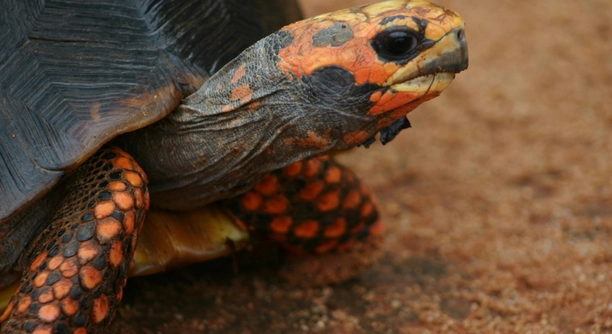
Red-footed tortoises are popular pets, known for their vibrant coloring and gentle nature. However, like all reptiles, they need specific care to thrive, including proper nutrition. Calcium is an essential nutrient for their health.
Calcium deficiency in red-footed tortoises can lead to various health issues, such as weak bones, deformities, and even organ failure. It is important to recognize the signs early to ensure your tortoise receives proper care and treatment.
Recognizing calcium deficiency in your tortoise can make a big difference in their health and well-being. Understanding the signs helps you take proactive steps for their care and long-term happiness.
Weak and Soft Shell
A red-footed tortoise’s shell is a strong indicator of its overall health. When calcium levels are low, the shell may become soft or start to deform. This change is often subtle at first but can worsen over time. A soft shell makes the tortoise more vulnerable to injury. Additionally, their ability to absorb calcium is hindered, which worsens the problem. You might notice dents or soft spots forming on the shell if calcium is not properly provided.
The shell should feel firm and solid when touched. If it feels soft, it’s a clear sign that calcium intake is insufficient, requiring immediate attention.
If the tortoise’s shell becomes soft, it indicates that its bone structure is not getting the necessary nutrients to stay strong. This issue can become more severe, affecting mobility and causing long-term health problems. A balanced diet with calcium-rich food and proper UVB lighting can help restore their shell’s firmness.
Weak Legs and Difficulty Moving
Red-footed tortoises with a calcium deficiency often experience weakness in their legs, making movement difficult. This could lead to stumbling or difficulty getting up from a resting position. Without calcium, the bones and muscles become weaker, and the tortoise struggles to support its own weight. This is especially noticeable when the tortoise tries to move after resting for long periods.
A calcium deficiency can severely impair your tortoise’s mobility and quality of life. It’s crucial to monitor their ability to move freely and swiftly.
When you notice that your tortoise is moving slower or has trouble walking, calcium intake might be too low. This not only affects their ability to roam freely but also impacts their overall strength and activity levels. To avoid this, ensure they are getting enough calcium in their diet and have access to UVB light to aid absorption.
Swollen or Puffy Eyes
Swollen or puffy eyes are a noticeable sign of calcium deficiency in red-footed tortoises. If the eyes appear bloated or watery, it could mean that the tortoise isn’t getting enough calcium. The eyes might also seem sunken or appear abnormally large due to fluid retention.
A lack of calcium affects the body’s ability to function properly, leading to fluid build-up around the eyes. When this happens, the tortoise may also appear lethargic or less responsive. Swollen eyes could indicate a more severe imbalance in their health that needs addressing immediately.
This issue can be fixed by improving the calcium intake in their diet. Offer calcium supplements or calcium-rich foods like dark leafy greens, and ensure they get exposure to UVB light. If the eyes remain swollen, a visit to the vet is recommended to rule out any underlying problems.
Lack of Appetite
A calcium deficiency can make red-footed tortoises lose their appetite, often leading to poor feeding behavior. They may start to ignore food, or only nibble occasionally, which will affect their overall health. Reduced appetite is a clear indicator that something is wrong.
When your tortoise stops eating, it may be because its body is not able to properly digest or use nutrients due to low calcium levels. Over time, this will weaken their immune system and make them more susceptible to illness. This lack of eating can also affect their growth and shell development.
If you notice your tortoise refusing food, it’s crucial to check their calcium levels and ensure they’re receiving the necessary nutrients. Try offering more calcium-rich foods, such as collard greens, dandelion leaves, and specially formulated tortoise pellets. Also, make sure they are getting adequate UVB light to aid calcium absorption.
Soft or Brittle Nails
Soft or brittle nails can indicate a calcium deficiency in red-footed tortoises. If the nails break easily or appear soft to the touch, it’s a sign that the tortoise isn’t getting enough calcium. Healthy nails should be strong and durable, allowing the tortoise to grip and move well.
These weak nails can affect their ability to climb or hold onto surfaces. Over time, this could lead to difficulties in performing daily activities. If left untreated, it may also cause more significant health issues due to ongoing calcium deficiency.
Poor Shell Growth
A red-footed tortoise that isn’t getting enough calcium may experience poor shell growth. The shell may appear uneven or show signs of deformity, like indentations or soft areas. These are clear signs that the tortoise is not absorbing the calcium needed to support healthy growth.
Improper shell development can lead to permanent damage, affecting the tortoise’s mobility and overall well-being. It’s important to address calcium deficiency early on to prevent these growth issues from worsening. Ensuring a balanced diet and adequate UVB exposure is essential to support proper shell development in tortoises.
Lethargy and Reduced Activity
When calcium levels are low, red-footed tortoises may become lethargic and reduce their activity levels. This could include staying in one spot for longer periods or moving slowly. This lack of energy can impact their overall health and vitality.
FAQ
What causes calcium deficiency in red-footed tortoises?
Calcium deficiency in red-footed tortoises can be caused by a lack of calcium-rich foods, improper UVB lighting, or a poor diet. Without adequate calcium intake or UVB exposure, a tortoise’s body cannot properly absorb and utilize calcium. This leads to weakened bones, soft shells, and other health issues.
How can I ensure my red-footed tortoise gets enough calcium?
To ensure your tortoise gets enough calcium, provide a diet rich in calcium-rich foods such as leafy greens like collard greens, dandelion leaves, and mustard greens. You can also offer calcium supplements or dust their food with calcium powder. Additionally, ensure they have access to UVB light, which is essential for calcium absorption.
How much calcium should I give my red-footed tortoise?
The amount of calcium needed will depend on the tortoise’s age, size, and diet. Adult red-footed tortoises typically need a calcium supplement 2-3 times a week. Hatchlings and juveniles may need calcium more frequently. Always follow the recommended dosage on the supplement packaging or consult a vet for advice.
Can a calcium deficiency be reversed?
Yes, if caught early, a calcium deficiency can be reversed. By improving their diet with calcium-rich foods and supplements, and ensuring proper UVB exposure, the tortoise can regain strength and shell health. However, if the deficiency has caused permanent damage, like a deformed shell, it may not be fully reversible.
What are the long-term effects of calcium deficiency in tortoises?
Long-term calcium deficiency can lead to serious health problems, including metabolic bone disease (MBD), soft or malformed shells, brittle bones, and lethargy. If left untreated, the tortoise may suffer from organ failure or permanent deformities. The key is early detection and correction to avoid these long-term issues.
Can I give my tortoise calcium from vegetables alone?
While some vegetables contain calcium, it might not be enough on its own to meet all of a red-footed tortoise’s calcium needs. Foods like kale, dandelion greens, and collard greens are good sources, but you may still need to provide a calcium supplement to ensure they are getting enough. UVB light is also crucial to help with calcium absorption.
What signs indicate that my red-footed tortoise’s calcium levels are too low?
Signs of calcium deficiency include soft or deformed shells, swollen or puffy eyes, weak legs, reduced appetite, and lethargy. If you notice any of these symptoms, it’s important to adjust their diet and seek veterinary advice if necessary. Early intervention is key to improving their health.
Is UVB light important for calcium absorption?
Yes, UVB light is essential for the synthesis of vitamin D3 in red-footed tortoises, which in turn helps them absorb calcium from their food. Without proper UVB exposure, calcium cannot be efficiently absorbed, leading to deficiencies. Make sure your tortoise has access to UVB light for about 10-12 hours a day.
Can I over-supplement calcium for my tortoise?
While it’s important to ensure that your tortoise is getting enough calcium, over-supplementing can also cause harm. Too much calcium can lead to kidney problems and other health issues. Always follow recommended guidelines for supplementation and consult a vet if you’re unsure.
What should I do if my tortoise’s shell becomes soft?
If your tortoise’s shell becomes soft, it’s a sign of a calcium deficiency. Start by improving their diet with calcium-rich foods and supplements, and ensure they have access to proper UVB lighting. If the condition persists or worsens, take them to a vet for further diagnosis and treatment.
Are there other causes for shell deformities besides calcium deficiency?
Yes, shell deformities can also be caused by improper humidity, poor diet, or genetic factors. However, calcium deficiency remains one of the most common causes of shell deformities. Always ensure your tortoise has the correct environment and diet to prevent such issues.
How can I provide proper UVB lighting for my tortoise?
To provide proper UVB lighting, use a UVB bulb that emits the appropriate wavelengths (UVB 10.0 is ideal for most tortoises). Position the bulb about 12-18 inches above the tortoise’s basking area, and replace the bulb every 6 months as its UVB output decreases over time. Avoid regular incandescent bulbs, as they do not provide the UVB light tortoises need.
How often should I check my tortoise for signs of calcium deficiency?
It’s important to regularly check your red-footed tortoise for any signs of calcium deficiency, especially if you notice changes in behavior, appetite, or physical appearance. A weekly or bi-weekly checkup for shell health, mobility, and eye condition can help catch any issues early on.
Can a red-footed tortoise recover from severe calcium deficiency?
Recovery from severe calcium deficiency can be difficult, especially if it has caused permanent damage like a malformed shell or bone deformities. However, with proper diet, calcium supplements, and UVB lighting, tortoises can regain strength and improve their quality of life, although full recovery may not always be possible.
What are some good calcium supplements for my red-footed tortoise?
Calcium carbonate or calcium citrate supplements are commonly used for red-footed tortoises. These supplements are easy to find at pet stores or online. Look for a product that is specifically designed for reptiles and does not contain phosphorus or vitamin D3 unless recommended by a vet.
Final Thoughts
Calcium is a vital nutrient for red-footed tortoises, playing an important role in their overall health. Without enough calcium, your tortoise can face serious health issues, including soft shells, weak bones, and reduced mobility. These problems can develop slowly, and by the time symptoms become noticeable, the deficiency may have already caused damage. That’s why it’s crucial to ensure that your tortoise is getting enough calcium right from the start.
To avoid calcium deficiency, it’s important to provide a balanced diet that includes calcium-rich foods. Leafy greens such as collard greens, dandelion leaves, and kale are excellent options. You can also add calcium supplements to their diet, either in powder form or through specially designed tortoise pellets. Additionally, providing proper UVB lighting is essential. UVB rays help your tortoise absorb calcium, so they should have access to this light for several hours a day. It’s also important to regularly monitor their health and behavior, so any signs of calcium deficiency can be caught early.
Taking steps to address calcium deficiency not only helps prevent immediate health concerns but also ensures your tortoise lives a long, healthy life. A well-balanced diet, proper lighting, and regular health checks are the best ways to support their calcium needs. By staying proactive and informed, you can help your red-footed tortoise thrive and avoid the serious consequences of calcium deficiency.

Hello,
If you enjoy the content that we create, please consider saying a "Thank You!" by leaving a tip.
Every little bit helps us continue crafting quality advice that supports the health, happiness, and well-being of pets around the world, for pets of all shapes, sizes, and species.
We really appreciate the kindness and support that you show us!