
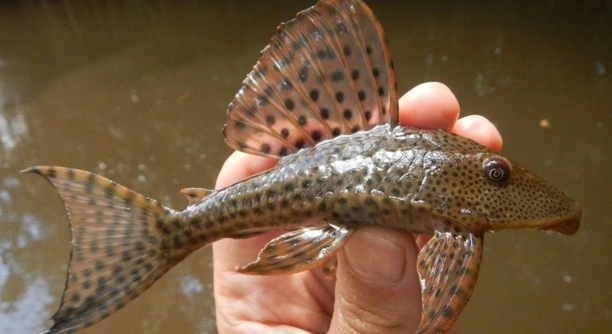
Are your plecos active during the day and hiding at night, but you’re unsure if their tank conditions are just right?
A well-balanced pleco aquarium shows stable water parameters, sufficient hiding spots, proper tank mates, and a steady food routine. These factors support natural behavior, reduce stress, and encourage healthy growth in plecos of all species.
Understanding these signs can help improve your pleco’s daily comfort and prevent long-term health issues related to poor tank conditions.
Clear Water with No Odors
A well-balanced pleco tank starts with clean, clear water. If your tank smells bad or looks cloudy, that’s usually a sign something’s off. Plecos produce a fair amount of waste, so filtration is key. A good filter that matches your tank size helps remove waste, food leftovers, and uneaten algae wafers. Regular water changes also play a role. Changing 20–30% of the tank water weekly keeps harmful substances like ammonia and nitrite in check. You don’t have to use special chemicals—just dechlorinated tap water will do the trick. Make sure you test your water weekly with a test kit to track things like pH, nitrate, and ammonia levels. A healthy pleco tank has almost no odor, and the water should look slightly tinted if you use driftwood but not murky or brown.
Clean water means the tank is functioning properly and your pleco is in a healthy space.
Sometimes people clean too much or too little. If you’re unsure, a light rinse of the filter media in tank water every few weeks is enough, and don’t scrub off all the biofilm on decorations—it helps balance things.
If your pleco is hiding more than usual or acting sluggish, poor water conditions might be the cause. Clean water is the foundation of everything else in your tank. Keeping it clear and fresh supports healthy behavior, feeding, and long-term comfort. Even if your pleco looks fine, dirty water can slowly stress them out. Over time, this leads to health problems that are hard to fix later. Getting into a simple routine makes maintenance easier and gives you peace of mind. A clean tank is a good sign that your setup is balanced and stable.
Steady and Safe Water Parameters
Sudden changes in temperature or pH can easily upset your pleco. Stable conditions help them thrive and stay active.
Plecos prefer water temperatures between 74°F and 80°F and a pH range of 6.5 to 7.5, depending on the species. It’s important to use a reliable aquarium heater and thermometer to avoid fluctuations, especially during colder months. You also want to keep nitrates low—under 40 ppm is best. Test kits give you the numbers, but consistency is what really matters. If your levels are swinging too much week to week, it may be due to overfeeding, a clogged filter, or decaying plant matter. Make small changes when adjusting anything. Never raise or lower the temperature or pH too quickly. That kind of shift can cause your pleco to stop eating or become inactive. A stable tank means your fish won’t be constantly adjusting to new conditions, which helps reduce stress and illness.
Healthy Appetite and Active Behavior
A pleco that eats regularly and explores the tank is showing signs of good health. They should accept sinking wafers, blanched vegetables, and occasionally nibble on algae or driftwood, depending on the species.
If your pleco is active, especially in the evening or at night, that’s a good sign. They may hide during the day, but they should still come out to graze or explore once the lights dim. A healthy pleco will stick to a regular routine—resting in their favorite spot, then heading out to eat when it’s time. If they stop eating or hide all the time, something could be wrong with the water, diet, or stress level. You’ll notice they suck on surfaces often and move around looking for food. Changes in appetite are one of the first clues something might be off, so it’s worth paying attention to.
Watch how your pleco behaves after a water change or feeding. They should come out shortly after food is dropped in, especially if they’re used to your schedule. Plecos can be shy, but they usually show some kind of interest when they know food is available. If they ignore feeding time or act sluggish, it’s worth checking the water, filter, or their food quality. Some species are more active than others, but even shy ones have a pattern. When they consistently avoid movement or stop showing interest in their usual routine, that’s not normal. Spotting these patterns helps you act early before bigger issues develop.
Minimal Algae Overgrowth
Some algae in a pleco tank is expected, but thick green or brown layers covering the glass, plants, or decorations could mean there’s too much light or waste. A well-balanced tank has manageable algae levels that don’t take over everything.
Try adjusting your light schedule to 6–8 hours per day if algae is getting out of hand. Avoid putting the tank in direct sunlight. Overfeeding is another reason algae can grow too fast—leftover food breaks down and feeds algae blooms. If you already have a good cleaning routine, consider adding a few fast-growing plants to outcompete algae for nutrients. Plecos help with some types of algae, but they can’t fix everything. Scrape the glass during water changes and vacuum the substrate to remove buildup. Having a little algae is okay and even healthy—it gives your pleco something to graze on. But when it starts spreading fast, it’s time to adjust your care routine.
Plenty of Hiding Spots
Plecos need hiding places to feel secure. Caves, driftwood, and thick plants give them shelter during the day. A tank without hiding spots can make them stressed, which leads to health problems or unusual behavior.
When they have places to hide, plecos stay calmer and act more naturally. You’ll see them resting inside logs or under decorations.
Compatible Tank Mates
Avoid aggressive or overly active fish. Plecos do best with peaceful species like tetras, rasboras, or corydoras. Fast swimmers may outcompete them for food, especially if the pleco is more nocturnal. Keeping tank mates calm helps your pleco stay stress-free and well-fed.
Steady Feeding Routine
Feed your pleco at the same time daily. A mix of algae wafers, vegetables, and protein-rich food once or twice a day keeps them healthy and active.
FAQ
How often should I clean a pleco tank?
You should do partial water changes once a week—usually about 20–30% of the total water. Use a gravel vacuum to remove waste and leftover food. Clean algae from the glass if needed, and lightly rinse filter media in tank water once a month. Avoid over-cleaning, since beneficial bacteria help keep things stable.
What temperature is best for plecos?
Most plecos do well in water temperatures between 74°F and 80°F. Keep it steady using a good-quality heater and thermometer. Fluctuating temps can stress them out, so avoid placing the tank near drafty windows or heat sources. Some pleco species may prefer slightly warmer or cooler water, so always check the needs of your specific type.
Do plecos really need wood in their tank?
Yes, many pleco species—especially bristlenose and clown plecos—benefit from having real driftwood in the tank. They scrape it for fiber, which helps with digestion. It also gives them hiding spots and a more natural environment. Make sure the wood is aquarium-safe and clean it before placing it in the tank.
Why is my pleco hiding all the time?
Plecos are naturally shy and prefer low light. It’s normal for them to hide during the day and come out more at night. If they never come out, though, check your water parameters. Stress from bad water or aggressive tank mates can cause them to stay hidden longer than usual.
How can I tell if my pleco is sick?
Signs of illness include loss of appetite, cloudy eyes, damaged fins, or white spots on the body. Sudden changes in behavior, like floating, rapid breathing, or unusual swimming patterns, can also be warning signs. If you notice any of these, test your water right away and isolate the fish if needed.
Do plecos eat poop?
No, plecos do not eat fish waste. It’s a common myth. They may graze around dirty areas, but they’re not cleaning up poop. Their diet should include sinking algae wafers, vegetables like zucchini or cucumber, and protein sources like shrimp pellets, depending on the species.
Can I keep more than one pleco in the same tank?
It depends on the species and tank size. Many plecos are territorial, especially males. In a small tank, they might fight. If you want to keep more than one, provide lots of space, multiple hiding spots, and choose smaller, more peaceful species like bristlenose plecos.
Why is there so much algae even though I have a pleco?
Plecos help with some algae, but they can’t handle it all. Too much light, overfeeding, and excess nutrients in the water cause algae growth. Adjust your lighting to 6–8 hours a day, feed less, and do regular water changes. Adding live plants can also help compete with algae.
What’s the best food for plecos?
A balanced diet is key. Algae wafers are a good base, but they also need blanched vegetables (like zucchini, spinach, and peas) and occasional protein-rich foods like bloodworms or shrimp pellets. Some species, like carnivorous plecos, need more protein than others.
How big do plecos get?
It depends on the type. Common plecos can grow over 18 inches, which is too large for most home tanks. Bristlenose plecos stay much smaller—around 4 to 6 inches. Always research your species before buying, so you know how much space they’ll eventually need.
Final Thoughts
Taking care of a pleco is simple when the tank is balanced. Clean water, steady temperatures, and a good filter go a long way. Most problems can be avoided by sticking to a regular routine. Weekly water changes, feeding them the right foods, and keeping an eye on how they behave can make a big difference. Plecos are hardy, but they still need a stable environment. Small changes, like reducing algae or adding more hiding spots, can help keep your pleco happy and calm. When the tank is well-maintained, your pleco will show more natural behavior, eat better, and stay active.
It’s also important to remember that every pleco species is different. Some grow large and need more space. Others are smaller and more peaceful. Some like lots of wood, while others prefer caves and stones. No matter the type, they all need proper care and attention. Before bringing one home, it’s good to learn what that specific pleco needs. Even a small change in diet or tank setup can help prevent problems later. A little research goes a long way in keeping things balanced and stress-free for both the fish and the owner. Plecos may not always be front and center, but they still deserve a setup that suits them well.
Watching your pleco stay healthy and active is a good sign that you’re doing things right. When your water is clear, algae is under control, and your pleco follows a steady routine, it means your tank is in good shape. If something feels off, it’s usually worth checking the basics—water quality, food, or stress from tank mates. A well-balanced aquarium supports not just the pleco, but the overall health of the tank. Over time, you’ll learn what works best for your setup. It doesn’t have to be complicated. Keeping things simple and consistent often leads to the best results.

Hello,
If you enjoy the content that we create, please consider saying a "Thank You!" by leaving a tip.
Every little bit helps us continue crafting quality advice that supports the health, happiness, and well-being of pets around the world, for pets of all shapes, sizes, and species.
We really appreciate the kindness and support that you show us!