
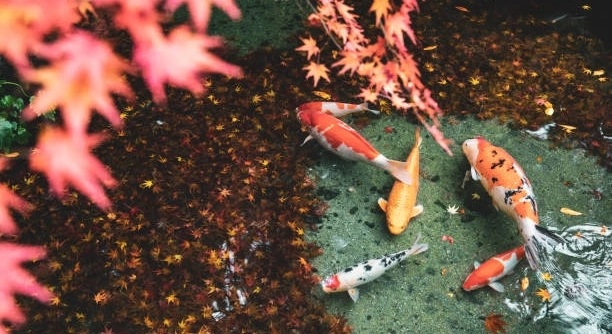
Many koi pond owners enjoy the beauty and calm these waters bring to their gardens. However, sometimes the pond’s environment can stop flowing properly, leading to problems for the fish and plants. Recognizing early signs helps keep the pond healthy.
A stagnant koi pond is characterized by poor water circulation, which causes oxygen depletion, algae growth, and an unhealthy environment for koi fish. These conditions can harm the ecosystem balance and affect the pond’s overall appearance and function.
Knowing what to look for in a stagnant pond can help maintain a vibrant and thriving aquatic space for your koi and garden.
Poor Water Circulation
When water in a koi pond stops moving well, it quickly affects the entire pond. Koi fish need oxygen-rich water to stay healthy, and movement helps spread oxygen evenly. Without good circulation, the water becomes stagnant, and harmful gases like carbon dioxide build up. This can cause fish to gasp for air at the surface. Poor circulation also encourages algae and bacteria growth, making the pond look cloudy and dirty. A well-maintained pond uses pumps or fountains to keep water flowing, which supports fish health and keeps plants thriving. Checking circulation regularly can prevent many issues and keep the pond balanced.
Pumps and filters play a big role in maintaining water movement and quality in koi ponds.
Regularly cleaning and inspecting your pond’s pump system can prevent water from becoming stagnant. A clogged or broken pump reduces flow and oxygen levels. Adding a small fountain or waterfall can also improve circulation naturally. Proper circulation not only supports the fish but helps keep water clear and free from buildup of debris or algae. Investing time in maintaining water movement pays off in a healthier and more attractive pond.
Algae Overgrowth
Algae can quickly take over a stagnant pond if left unchecked. When water stops flowing, nutrients build up, giving algae what it needs to grow fast. Algae growth turns the water green and cloudy, blocking sunlight from reaching other aquatic plants. This disrupts the pond’s ecosystem and can make the water smell bad. While some algae are normal, excessive growth signals poor pond health and often means circulation or filtration needs improvement.
Algae thrives on excess nutrients and sunlight, especially when water is still.
Managing algae involves controlling nutrient levels and improving water movement. Using aquatic plants like water lilies can shade the water and compete with algae for nutrients. Regularly cleaning debris and leaves helps reduce nutrient buildup. In some cases, adding a UV clarifier to your filtration system can reduce algae without harming fish. Keeping the pond balanced with proper circulation and filtration limits algae growth, preserving clear water and a healthy environment for your koi.
Foul Odors
A stagnant koi pond often develops unpleasant smells due to decaying organic matter and poor water circulation.
When leaves, fish waste, and uneaten food settle at the bottom without proper water flow, they begin to rot and release foul odors. This decomposition produces gases like hydrogen sulfide, which smells like rotten eggs. The bad smell is a clear sign that the pond’s ecosystem is out of balance and needs attention. Proper cleaning, regular water changes, and improved filtration can help reduce odors.
Odors can also signal low oxygen levels, which harm koi health. Aeration devices like air pumps or waterfalls help increase oxygen in the water. Removing debris and maintaining a clean environment stops the buildup of waste materials that cause smell. Keeping the pond well-oxygenated and free of decay keeps the water fresh and comfortable for the fish.
Cloudy or Murky Water
Cloudy water is common in stagnant koi ponds and often indicates a buildup of suspended particles, bacteria, or algae. This reduces visibility and can stress the fish.
Excess nutrients and poor filtration encourage bacteria and algae to multiply, making the water look foggy or greenish. Without proper circulation, waste materials do not get filtered out, worsening the cloudiness. The murkiness blocks sunlight from reaching plants, disturbing the pond’s natural balance.
To clear the water, cleaning filters regularly and adding beneficial bacteria can help break down waste naturally. Using a UV clarifier can also reduce suspended particles and algae cells. Maintaining good water flow and removing excess nutrients prevents the water from turning cloudy again. Healthy, clear water improves koi health and the pond’s overall appearance.
Dead Spots in the Pond
Dead spots are areas where water barely moves, causing debris and waste to settle. These zones reduce oxygen levels and create unhealthy conditions for koi.
They often form when the pond’s pump or circulation system is weak or blocked. Fixing these areas improves water quality and fish health.
Fish Behavior Changes
Koi in stagnant ponds may become sluggish or stay near the surface gasping for air. This behavior signals low oxygen levels or poor water quality.
Watching fish closely helps catch problems early, allowing for quick action to restore a healthy environment.
Excessive Plant Growth
Too many plants, especially fast-growing ones like duckweed, can choke a stagnant pond. They consume oxygen at night and block light during the day.
Managing plant growth helps maintain balance and ensures koi have enough oxygen to thrive.
FAQ
What causes a koi pond to become stagnant?
A koi pond becomes stagnant mainly due to poor water circulation. When pumps or filters don’t work properly, water stops moving and oxygen levels drop. This allows waste, debris, and algae to build up. Dead spots form where water is still, creating an unhealthy environment for koi fish. Regular maintenance of pumps and cleaning of filters can prevent stagnation.
How can I improve water circulation in my koi pond?
Improving circulation starts with checking your pump and filter system. Make sure the pump is strong enough for your pond size and that filters are clean and working well. Adding a fountain, waterfall, or air stones can help keep water moving. These devices increase oxygen and reduce dead spots. Also, avoid overcrowding the pond, as too many fish can overwhelm the system.
Why is my pond water green and cloudy?
Green, cloudy water usually means there is too much algae or bacteria growing. This happens when nutrients build up and sunlight reaches the water without enough movement. Excess algae clouds the water and blocks light, which harms plants and fish. Using a UV clarifier, adding aquatic plants, and controlling feeding can reduce algae growth and improve clarity.
What does a foul smell from the pond indicate?
A bad odor usually means decaying organic matter like dead leaves, fish waste, or uneaten food is building up. This happens more in stagnant water where circulation is poor. The smell comes from gases released during decomposition. To fix this, remove debris regularly, clean filters, and improve water flow with pumps or aerators.
How often should I clean my koi pond?
Cleaning frequency depends on pond size and fish load. Generally, partial water changes every two weeks and filter maintenance once a month help keep the pond healthy. Removing debris from the surface and bottom regularly prevents buildup that can cause stagnation. Avoid over-cleaning, as beneficial bacteria need time to establish in the pond’s ecosystem.
Can too many plants cause stagnation?
Yes, excessive aquatic plants can reduce water movement and oxygen levels, especially if they cover the pond surface. Plants like duckweed grow fast and block sunlight, which harms other plants and fish. Balancing plant growth with water circulation is important. Remove extra plants when needed and choose species that don’t overcrowd the pond.
What signs show my koi are stressed from stagnant water?
Koi may become lethargic, lose appetite, or gather near the surface gasping for air. They might also show changes in color or develop sores if water quality is poor. Stress lowers their immune system, making them more vulnerable to disease. Monitoring fish behavior daily helps catch problems early.
Is it safe to add chemicals to clear a stagnant pond?
Some chemicals can help control algae or clean water, but they should be used carefully to avoid harming fish and plants. Always follow instructions and choose pond-safe products. Natural methods like adding aquatic plants and improving filtration are safer and more sustainable for long-term health.
How do I prevent my koi pond from becoming stagnant?
Regular maintenance is key. Keep pumps and filters clean and working well, remove debris often, and avoid overfeeding fish. Adding plants that improve water quality and installing aeration devices help maintain oxygen levels. Testing water regularly can catch issues before they get worse.
What should I do if my pond is already stagnant?
Start by removing debris and dead plants. Check and clean your pump and filter system. Consider adding aerators or fountains to increase water movement. Partial water changes can help improve water quality. If algae is a problem, use natural controls like aquatic plants or UV clarifiers. Monitor fish closely and act quickly to restore balance.
Final thoughts on maintaining a koi pond focus on keeping the water clean and healthy. A stagnant pond can quickly cause problems for your fish and plants. It is important to regularly check water circulation, clean debris, and monitor water quality. Simple actions like cleaning filters, removing leaves, and running pumps help keep the pond balanced. Healthy water means happier koi and a more beautiful pond.
Stagnation often happens slowly and can be easy to miss at first. Watching your pond closely helps catch early signs like cloudy water, algae growth, or changes in fish behavior. Fixing these problems early prevents bigger issues later. Adding aeration devices, fountains, or waterfalls improves water movement and oxygen levels. Keeping plants balanced and not letting them overgrow also helps. These small steps keep the pond environment stable and supports fish health.
Maintaining a koi pond takes some effort but is very rewarding. When the pond flows well and the water stays clear, koi thrive and the space feels peaceful. Regular care helps avoid stagnation and keeps the pond looking its best year-round. If you notice signs of stagnation, act quickly with cleaning and improving circulation. A well-maintained pond is a lasting source of enjoyment and calm in your garden or yard.

Hello,
If you enjoy the content that we create, please consider saying a "Thank You!" by leaving a tip.
Every little bit helps us continue crafting quality advice that supports the health, happiness, and well-being of pets around the world, for pets of all shapes, sizes, and species.
We really appreciate the kindness and support that you show us!