
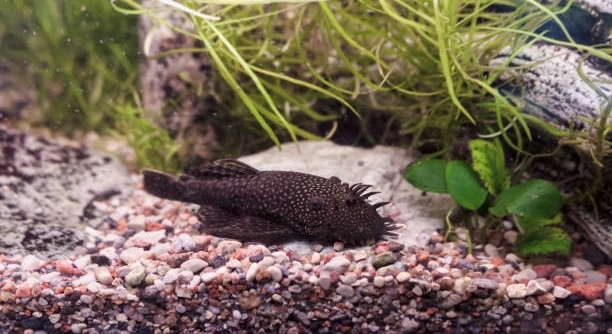
Is your plecostomus showing signs of poor health?
Malnutrition in plecostomus can significantly affect their overall well-being. Identifying early signs of malnutrition is crucial in providing the proper care and ensuring your fish thrives in its environment.
The key indicators of a malnourished plecostomus include poor growth, faded coloration, lethargy, lack of appetite, weight loss, abnormal swimming behavior, and fin damage. These signs often suggest inadequate nutrition or an imbalance in their diet, which can be addressed with proper adjustments.
Recognizing these signs early can make a significant difference in your fish’s recovery. Keeping an eye on their behavior and appearance is essential to maintaining a healthy plecostomus.
Poor Growth and Stunted Size
One of the first signs that your plecostomus may be malnourished is poor growth. If your fish isn’t growing as expected, despite being in a properly maintained tank, it could be due to a lack of proper nutrition. In their natural environment, plecos have access to a variety of food sources, but in captivity, they rely on what you provide. If their diet isn’t balanced, they may not develop properly.
These growth issues can also result from insufficient protein or vitamins in their diet. Without these essential nutrients, their growth may slow down, and the fish will appear smaller than healthy plecostomus of the same age.
To prevent poor growth, make sure to feed your plecostomus a varied diet, including sinking algae wafers, fresh vegetables, and occasionally protein-based foods like shrimp or fish pellets. If you notice growth stagnation, it’s best to reassess your feeding routine and make adjustments accordingly.
Faded or Dull Coloration
When a plecostomus becomes malnourished, its once vibrant color may start to fade. This could be a result of an imbalanced diet that lacks necessary nutrients like carotenoids, which are important for maintaining their natural color. If your pleco’s colors start to look pale or dull, it’s a sign they may not be getting the nutrients they need.
A healthy pleco should display rich, deep tones, whether they are brown, black, or gold. If these colors begin to fade, it’s a good idea to inspect the diet you’re providing and see if any key nutrients are missing. Adding more variety, such as algae-based foods or vegetables, can help bring back the brightness.
Lack of Appetite
A malnourished plecostomus may stop eating or become very picky about its food. This is one of the clearest signs something is wrong. If your pleco turns down food regularly, it’s important to investigate their diet and overall tank conditions.
Plecostomus are usually hungry creatures, especially when kept in a tank with enough hiding spots and proper conditions. If they begin refusing food, this could point to an imbalance in their diet, stress, or poor water quality. Make sure their food is fresh and suitable for their needs, and ensure the tank is free of toxins that could cause stress.
Overfeeding can also be an issue. Excess food left in the tank can lead to poor water quality, affecting your pleco’s appetite. Maintaining the right balance between food and tank maintenance is crucial for keeping your pleco healthy and feeding properly.
Lethargy and Decreased Activity
A lack of energy is another sign of malnutrition in plecostomus. If your fish is staying still, hiding more than usual, or swimming slower than normal, it’s an indication that something is wrong.
When plecos aren’t receiving the nutrients they need, their energy levels decrease. You might notice them resting at the bottom of the tank or not engaging with their environment as they typically would. Malnourished fish are often less active and may not swim around as freely.
In addition to diet, make sure your tank conditions are optimal. Poor water quality, incorrect temperature, or an unsuitable tank setup can also contribute to lethargy. Ensuring a clean, well-maintained environment can help your pleco recover its energy.
Weight Loss
If your plecostomus is losing weight, it’s a clear sign that they aren’t getting the proper nutrition. A healthy pleco should have a visible, stable body size. If their body becomes noticeably thinner, you should address their diet immediately.
Weight loss in plecos can be caused by poor feeding habits or a lack of food variety. Over time, if the malnutrition continues, the pleco will become even more underweight. Providing a balanced diet rich in nutrients can help reverse this issue. Ensure they are fed enough and their food is fresh.
Abnormal Swimming Behavior
A plecostomus showing malnutrition may start exhibiting abnormal swimming behavior. This could include difficulty swimming, erratic movements, or spending more time near the surface or bottom of the tank.
Such behavior is often a result of weakened muscles or overall poor health. If the pleco is struggling to maintain its usual swimming pattern, it might be time to adjust its diet or check for any environmental stressors in the tank.
Fin Damage and Decay
Fin damage or decay can also signal that your pleco is malnourished. This often happens when the fish’s immune system is weakened from not getting enough nutrition.
Damaged fins can occur because the pleco is unable to regenerate them properly due to nutrient deficiencies. Keeping the water clean and providing a nutrient-rich diet can help prevent fin issues. A healthy plecostomus should have smooth, undamaged fins, indicating a balanced diet and good overall health.
FAQ
What are the best foods to feed my plecostomus to prevent malnutrition?
Plecostomus need a varied diet to stay healthy. The foundation of their diet should include high-quality sinking algae wafers, which provide necessary nutrients. You can also feed them fresh vegetables like zucchini, cucumber, and spinach. Occasionally, supplement their diet with protein-rich foods like shrimp, fish pellets, or frozen bloodworms. These different food types help ensure they receive all the vitamins and minerals they need. Regularly rotating food choices will also keep your pleco interested and encourage healthy eating habits.
How often should I feed my plecostomus?
Plecos are nocturnal and generally eat at night, so it’s best to feed them once a day. Be careful not to overfeed, as this can cause water quality issues and lead to health problems. A small amount of food that they can finish within a few hours is ideal. If your pleco is leaving food behind, it’s a sign of overfeeding, and you should adjust the portion size. A feeding routine with consistent portions will keep them well-nourished without overloading your tank.
Can malnutrition in plecostomus be reversed?
Yes, malnutrition in plecostomus can often be reversed with the right care. The first step is to correct their diet by offering a balanced mix of high-quality food. Along with improving their nutrition, you should ensure their tank conditions are optimal. Clean water, proper temperature, and enough hiding spots help reduce stress. If your pleco is severely malnourished, it may take time for them to recover fully, but with the right changes, their health should improve.
How can I tell if my plecostomus is stressed?
Stressed plecostomus will often exhibit signs such as hiding more than usual, reduced activity, or abnormal swimming patterns. They may also have faded colors or be more skittish. Stress in plecos can be caused by poor water quality, aggressive tankmates, overcrowding, or inadequate food. Make sure to monitor tank conditions regularly and keep the water clean. Stress can also be minimized by providing plenty of hiding spots, such as rocks or driftwood, and ensuring the tank is large enough for the pleco to feel safe.
What is the ideal tank environment for a plecostomus?
Plecostomus thrive in tanks that replicate their natural environment. They prefer warm water, typically between 74-80°F (23-27°C). The tank should have a moderate flow rate, as plecos naturally enjoy areas with currents. It’s essential to maintain water quality by using a good filtration system. Plecos also like hiding spots, so providing caves, driftwood, or rocks will help them feel secure. Regular water changes and maintaining proper water parameters like pH and hardness are key to keeping them healthy.
What size tank does my plecostomus need?
Plecos can grow large, so a bigger tank is ideal for their health. A tank of at least 55 gallons is recommended for most plecostomus species. Smaller tanks can cause stress and lead to poor water quality, especially with the amount of waste these fish produce. If you have a larger plecostomus, you may need a tank size of 75 gallons or more. A spacious tank provides ample room for the pleco to swim and hide, both of which are essential for their well-being.
Can plecostomus live with other fish?
Yes, plecostomus are generally peaceful and can live with many other species of fish. However, they do best in a tank with other non-aggressive fish. Avoid keeping them with species that might be territorial or nibble on their fins. Plecos are bottom dwellers, so having tankmates that occupy different water levels helps prevent conflicts. It’s also important to ensure that the tank is large enough to accommodate both plecos and their tankmates comfortably.
What should I do if my plecostomus is not eating?
If your plecostomus isn’t eating, it’s essential to assess both their diet and their environment. First, check the food quality and variety. Sometimes, plecos refuse food if it’s not fresh or if they’re tired of eating the same thing. Next, ensure the water quality is good—poor water conditions can cause a lack of appetite. Check the temperature, pH, and filter system to ensure they are all within the appropriate ranges. If the problem persists, consider consulting a veterinarian or aquarist for further guidance.
Why is my plecostomus spending so much time at the surface?
Plecostomus typically stay near the bottom of the tank, but if they are spending a lot of time near the surface, it could indicate a problem. This behavior may suggest low oxygen levels in the water, poor water quality, or an issue with the filter. Make sure the water is well-oxygenated and that the filtration system is running efficiently. It could also be a sign that your pleco is stressed or struggling with tank conditions, so take a closer look at their environment to determine the cause.
Is my plecostomus too old for recovery?
Even older plecostomus can recover from malnutrition with the right care. While younger fish might heal more quickly, older plecos can still regain strength and improve their health. The key is ensuring that their diet is properly balanced, the tank conditions are ideal, and they have time to rest. With patience and the right environment, even mature plecos can make a significant recovery.
How can I prevent future malnutrition in my plecostomus?
Preventing malnutrition involves maintaining a consistent feeding schedule with a balanced diet. Regularly provide a mix of algae wafers, vegetables, and protein-rich foods. Also, keep an eye on their eating habits—if they’re leaving food behind or showing signs of being uninterested, you may need to adjust portions or try new foods. Finally, make sure your plecostomus is living in a stress-free environment with clean water, proper filtration, and plenty of hiding spots. Regular monitoring and maintenance are the best ways to ensure your pleco stays healthy.
Final Thoughts
Maintaining a healthy plecostomus requires more than just basic care; it involves paying attention to their diet, environment, and overall well-being. Malnutrition in plecos can lead to a variety of health problems, including stunted growth, weight loss, and changes in behavior. It’s essential to regularly monitor your fish’s condition and adjust their care when needed. Offering a varied diet, keeping the tank clean, and ensuring proper water conditions can go a long way in preventing malnutrition and other related issues.
While plecostomus are hardy fish, they are still sensitive to changes in their environment. Factors like water quality, temperature, and tank mates can all affect their health. If you notice any signs of malnutrition or poor health, it’s important to take action immediately. This might include adjusting their diet, improving the tank environment, or seeking professional advice from an aquarist. The sooner you address these issues, the more likely your pleco will make a full recovery.
In the end, taking the time to provide proper care for your plecostomus not only helps prevent malnutrition but ensures they live a long, healthy life. These fish are fascinating to watch and can thrive with the right attention. By being proactive about their health, you can enjoy watching your pleco grow and flourish. Healthy plecos are an asset to any tank and make wonderful companions when given the care they deserve. Regular observation and quick action when necessary can make all the difference in their well-being.

Hello,
If you enjoy the content that we create, please consider saying a "Thank You!" by leaving a tip.
Every little bit helps us continue crafting quality advice that supports the health, happiness, and well-being of pets around the world, for pets of all shapes, sizes, and species.
We really appreciate the kindness and support that you show us!