
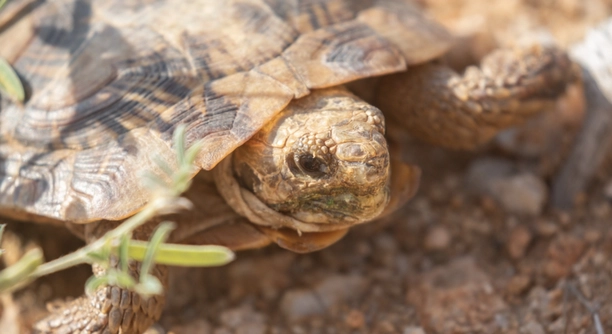
Pancake tortoises are unique reptiles, and their shell health is essential for their well-being. Understanding the signs of a healthy versus unhealthy shell can ensure they live a long, happy life.
A healthy pancake tortoise shell should be smooth, without cracks or soft spots. An unhealthy shell may show signs of discoloration, softness, or deformities, which can indicate an underlying health issue or improper care.
By recognizing these signs, you can provide better care for your pancake tortoise and prevent potential problems from worsening. Let’s take a closer look at what to watch for.
Healthy Shell Features to Look For
A healthy pancake tortoise shell is a sign of a well-maintained, thriving reptile. These shells should be firm, smooth, and evenly shaped. Healthy tortoises often have a hard, dome-like structure that is free of cracks or soft spots. The color should be consistent, without any unusual discoloration. The scutes, the bony plates that make up the shell, should also be intact and symmetrical. These signs show that the tortoise is getting the right nutrients and proper care, allowing the shell to grow naturally and maintain its shape.
Healthy shells reflect proper care. This includes a balanced diet, enough UVB exposure, and adequate space for movement. These factors keep their shell from softening or cracking, which could be caused by a lack of calcium or incorrect habitat conditions.
Ensuring that your tortoise gets the right amount of nutrients is important. A calcium-rich diet, along with sufficient exposure to natural sunlight or UVB lighting, supports shell strength. In addition, the habitat should be kept clean and at a stable temperature to prevent stress or injury.
Unhealthy Shell Signs to Watch For
Signs of an unhealthy shell can be more difficult to notice at first.
A pancake tortoise with a soft, malleable shell or noticeable deformities may be showing early signs of health issues. If the shell starts to feel squishy, this can indicate that the tortoise is not getting enough calcium, which weakens the bones. Additionally, any cracks, holes, or discoloration should be addressed immediately. These symptoms often point to underlying problems like infections or metabolic bone disease.
Poor diet, stress, and incorrect humidity levels are the most common causes of an unhealthy shell. If a tortoise is not receiving the necessary nutrients, particularly calcium and vitamin D3, their shell may start to suffer. Softness or deformities can occur as a result. Infected shells may show visible signs like yellowing or an unusual sheen. If left untreated, these conditions can worsen, potentially leading to permanent damage or other health problems. Monitoring your tortoise regularly can help catch issues early, improving their chances for recovery.
Softness or Deformities in the Shell
If you notice that the shell is soft to the touch, it’s a sign that something may be wrong. This softness is often due to a lack of calcium, leading to a condition called metabolic bone disease. It can result in deformities over time, affecting the overall shape of the shell.
In some cases, the shell may become soft or flexible, leading to uneven growth or visible indentations. These deformities can occur when a tortoise doesn’t receive enough nutrients, particularly calcium and vitamin D3. Without these essential vitamins, the shell’s structural integrity weakens, making it prone to further damage. If left untreated, it can cause permanent changes in the shape and size of the shell, leaving the tortoise more vulnerable to infections or injury. Regular calcium supplements and proper UVB lighting are necessary to keep the shell strong and healthy.
Caring for your pancake tortoise’s shell requires constant monitoring of its diet and environment. Ensuring they have a balanced diet rich in calcium, proper lighting, and an appropriate living space will help prevent these soft spots from developing. Additionally, regular check-ups from a veterinarian can catch issues early, keeping your tortoise’s shell strong.
Discoloration or Pitting
Discoloration on the shell can be a sign of poor health, whether it’s yellowing, brown patches, or unusual dark spots. These changes may indicate an infection or a lack of proper nutrients in their diet. If you notice color changes, it’s best to check the overall health of the tortoise.
Pitting, on the other hand, refers to small holes or indentations that can appear in the shell. This is a clear sign that the tortoise’s shell is not growing or healing properly. If discoloration or pitting occurs, it’s usually caused by bacterial or fungal infections or deficiencies in the tortoise’s diet. These issues can stem from poor husbandry practices, such as incorrect humidity or temperatures.
If you see discoloration or pitting, it’s important to evaluate your tortoise’s diet and environment. Make sure they have access to UVB lighting and a varied diet rich in calcium, fiber, and essential vitamins. Dealing with infections requires quick action to prevent further damage, so a visit to the vet may be necessary for proper treatment.
Cracks and Visible Damage
Cracks in the shell are one of the most obvious signs that something is wrong. These can occur from injury, improper handling, or an unhealthy environment. Cracks can lead to more severe problems if they are not addressed quickly, like infections or permanent deformities.
Small cracks may heal over time with proper care, but larger cracks can compromise the shell’s strength, leaving the tortoise vulnerable. If you notice any cracks, take immediate action to assess the situation. It’s important to ensure that your tortoise is not exposed to harsh conditions or environments that could cause further damage. If the cracks are deep, a vet may need to provide treatment to prevent infection or help with shell repair.
Shell Softening or Flaking
When the shell begins to soften or flake, it indicates an underlying health issue. This often happens due to nutritional deficiencies or lack of UVB light. Softening can make the tortoise more prone to injury, while flaking can be a sign of infection or shell rot.
Regularly inspect your tortoise for any changes in the texture of its shell. A balanced diet with adequate calcium, along with proper UVB exposure, can prevent such issues from arising. If softening or flaking continues, it’s best to consult with a veterinarian to rule out any serious conditions. Early intervention is key to preventing further damage.
Proper Care to Prevent Damage
To maintain a healthy shell, your tortoise needs proper care. This includes a balanced diet with calcium-rich foods, adequate exposure to UVB light, and a stable living environment. These factors help ensure the shell stays strong and free from damage.
Feeding your tortoise leafy greens, fruits, and calcium supplements can prevent shell issues. Additionally, keeping the habitat at the right temperature and humidity is crucial for shell health. Regularly checking for any changes in the shell will allow you to catch problems early and prevent further damage.
FAQ
How can I prevent my pancake tortoise’s shell from becoming soft?
A soft shell often points to a calcium deficiency. To prevent this, ensure that your tortoise receives enough calcium in its diet, which can be supplemented with calcium powder. A balanced diet should include leafy greens like kale, dandelion greens, and collard greens. Along with calcium, make sure they get enough vitamin D3, which helps their body absorb calcium. Providing access to UVB light or natural sunlight is essential, as it helps with vitamin D3 production. If your tortoise is not receiving proper UVB exposure, the shell may become soft and weak over time.
What should I do if my tortoise’s shell starts to crack?
If you notice cracks in the shell, it’s important to act quickly. Minor cracks may heal naturally if the tortoise is kept in a proper environment, but larger cracks or deep damage will require veterinary attention. A vet can clean the crack to prevent infection and might apply special treatments or materials to help the healing process. Avoid handling your tortoise roughly to prevent further damage and make sure the habitat is safe, free of sharp objects or rough surfaces. In the meantime, monitor the shell for any signs of infection like discoloration or discharge.
Can diet impact the health of my pancake tortoise’s shell?
Yes, diet plays a huge role in maintaining the health of your tortoise’s shell. A proper diet ensures that your tortoise gets the necessary vitamins and minerals, especially calcium and vitamin D3. If your tortoise isn’t getting enough calcium, the shell may become soft or start to deform. Feeding a variety of leafy greens, vegetables, and some fruits can help provide a well-rounded diet. Be sure to avoid feeding your tortoise high-oxalate foods like spinach, as they can hinder calcium absorption. A proper diet, combined with adequate lighting, is essential for a healthy shell.
How often should I check my pancake tortoise’s shell for damage?
Regular checks are important to ensure your tortoise’s shell remains healthy. It’s a good idea to check for any signs of damage, cracks, or changes in texture every few days. You should also check for any discoloration, softness, or other issues like pitting. While the shell can take a lot of wear and tear, small changes can sometimes go unnoticed. Routine checks will help catch problems early and allow you to address them before they worsen. If your tortoise is exhibiting signs of discomfort or abnormal behavior, it may indicate a shell issue that needs attention.
Can an unhealthy shell heal on its own?
The healing process for an unhealthy shell depends on the severity of the problem. Small cracks or superficial damage can often heal with the right care, including a proper diet and appropriate UVB exposure. However, more significant issues, such as infections or large cracks, usually require veterinary intervention. Infections can spread if left untreated, causing long-term damage to the shell. The sooner you notice any shell problems, the easier it will be to treat and repair them. If you’re unsure about the extent of the damage, a visit to the vet will provide guidance.
What are the best conditions for a pancake tortoise’s shell to stay healthy?
A pancake tortoise thrives in a controlled environment with proper temperature, humidity, and UVB exposure. Ensure the habitat is at a consistent temperature of 85-95°F with a basking spot of 100°F. The humidity should be kept at around 50-60%. Proper UVB light is crucial for shell health, as it helps the tortoise synthesize vitamin D3. Additionally, providing a clean living space and preventing stress is essential for maintaining a healthy shell. A balanced diet full of calcium-rich foods and occasional supplementation can also go a long way in shell health.
Can the shape of the shell affect my tortoise’s movement?
Yes, if the shell becomes misshapen due to an injury or disease, it can affect your tortoise’s movement. A deformed shell may cause discomfort or limit mobility. For instance, if the shell becomes too soft or is cracked, it can restrict how easily the tortoise moves around. The shell also serves as protection, so any damage to its structure can make the tortoise more vulnerable. Ensuring the shell stays strong and healthy will help your tortoise move freely and comfortably.
What signs show that my pancake tortoise has an infection in its shell?
Infections in a pancake tortoise’s shell are often indicated by unusual discoloration, a foul smell, or discharge from the shell. The shell may appear soft or swollen, and the tortoise may show signs of distress, such as reluctance to move or eat. If you notice any of these signs, it’s best to consult a vet immediately. Infections can spread quickly, so getting prompt treatment is essential to prevent long-term damage. Keeping the living environment clean and ensuring proper diet and UVB exposure can reduce the risk of shell infections.
How does stress affect the health of my tortoise’s shell?
Stress can weaken a tortoise’s immune system, making it more susceptible to infections and diseases, which can, in turn, affect the health of the shell. Stressors like improper habitat conditions, overcrowding, or excessive handling can cause long-term harm. A stressed tortoise may also refuse to eat or exhibit abnormal behaviors, further affecting its overall health. It’s essential to maintain a calm and stable environment for your tortoise, with proper lighting, temperature, and space. Keeping stress to a minimum will help ensure the shell remains in top condition.
Is it safe to handle my tortoise while it is healing from shell damage?
It’s best to avoid handling a tortoise with shell damage unless absolutely necessary. Handling can put pressure on the shell and cause further damage or delay the healing process. When your tortoise is recovering, create a calm, stress-free environment to allow it to heal properly. If handling is necessary for medical reasons, ensure that you are gentle and avoid putting strain on the damaged area. Consult a vet if you’re unsure whether it’s safe to handle your tortoise during recovery.
Maintaining a healthy pancake tortoise shell is key to ensuring your tortoise lives a long and comfortable life. By regularly checking for signs of shell problems and addressing any concerns promptly, you can prevent small issues from turning into bigger health problems. Providing a proper diet, including calcium-rich foods and adequate UVB light, is essential in supporting your tortoise’s overall well-being. A healthy shell is a reflection of good care, and small adjustments to diet and habitat can go a long way in preventing many common shell issues.
While it may take time for some shell problems to show noticeable effects, regular monitoring is crucial. Catching issues early is the best way to protect your tortoise and prevent complications. A soft or cracked shell is often a sign of nutritional imbalances, improper lighting, or even stress, which can all be corrected with careful attention. If you notice any signs of shell damage, it’s important to seek veterinary advice. Timely medical intervention can help ensure your tortoise’s recovery and prevent permanent harm.
Ultimately, taking the time to properly care for your pancake tortoise and its shell will make all the difference. It’s not just about providing a suitable habitat, but also ensuring that your tortoise gets the right nutrition and enough space to thrive. Regular vet check-ups, a balanced diet, and a stress-free environment are all factors that contribute to a healthy, strong shell. With the right care, your tortoise will enjoy a healthy, happy life, and its shell will remain a sturdy, protective feature for years to come.

Hello,
If you enjoy the content that we create, please consider saying a "Thank You!" by leaving a tip.
Every little bit helps us continue crafting quality advice that supports the health, happiness, and well-being of pets around the world, for pets of all shapes, sizes, and species.
We really appreciate the kindness and support that you show us!