
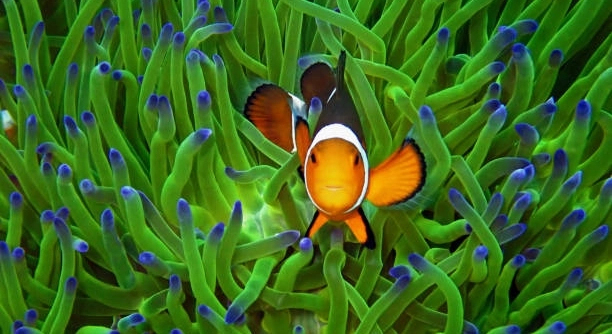
A healthy, thriving clownfish pair brings life and color to any marine aquarium. Recognizing the signs of their well-being helps maintain a balanced and vibrant underwater environment. Understanding these signs can improve care and overall fish health.
Healthy clownfish pairs exhibit consistent swimming patterns, vibrant coloration, and regular feeding behavior. They engage in mutual cleaning, defend their territory together, and show balanced growth rates. These indicators reflect good water quality and proper nutrition, ensuring their long-term survival and reproduction.
Observing these signs carefully will help maintain a strong and happy clownfish duo in your aquarium. This knowledge supports better care and prevents common health issues.
Consistent Swimming Patterns
Clownfish that are healthy swim steadily and confidently around their environment. They avoid erratic or frantic movements, which can indicate stress or illness. You’ll notice they often swim close to their host anemone, staying within a safe zone. Their movements appear smooth and purposeful, showing that they feel secure and comfortable. When one fish darts away quickly, the other usually follows, showing a synchronized behavior typical of a bonded pair. This steady swimming is a key sign that the water conditions are good and the fish are not experiencing distress. Any irregular swimming, like floating at the surface or hiding excessively, should be monitored. A healthy pair will explore their surroundings but always return to their safe spots. Consistency in swimming also means they are not fighting each other, which is important for a peaceful tank environment.
This steady swimming behavior helps maintain the fish’s physical fitness and reduces stress, supporting their overall health and longevity.
Swimming patterns reveal much about clownfish wellbeing. Watching for steady, coordinated movement provides early clues to potential health issues.
Vibrant Coloration and Appearance
Healthy clownfish display bright, well-defined colors. Their orange, white, and black patterns are sharp and vivid, not faded or dull. The skin looks smooth without any signs of damage, spots, or patches that could suggest disease. When clownfish lose their color, it can be a sign of poor water quality, illness, or malnutrition. Proper diet plays a major role in maintaining their bright colors. Foods rich in carotenoids enhance pigmentation and overall health. Clean water free of pollutants and stable temperature also keep the colors sharp. It’s important to watch for any sudden changes in color, which can mean stress or infection. Clownfish with vibrant colors tend to be more active and show more natural behaviors, like cleaning and interacting with their partner. Maintaining good tank conditions helps preserve their bright and healthy appearance. Consistent color is a reliable indicator of their overall well-being.
Loss of color often signals problems, so regular observation is essential to keep clownfish healthy.
Healthy clownfish coloration depends on good nutrition and clean water. Sharp, vivid colors indicate balanced care and low stress.
Mutual Cleaning Behavior
Clownfish pairs often clean each other to remove parasites and debris. This behavior strengthens their bond and keeps them healthy.
Mutual cleaning involves one fish gently picking at the other’s fins and body. This not only removes unwanted particles but also reduces stress. When both fish participate, it shows trust and cooperation. If you notice one fish avoiding cleaning, it may indicate illness or discomfort. In a thriving pair, cleaning is regular and mutual, helping maintain skin health and preventing infections. This behavior also signals a peaceful relationship, which is crucial for their well-being.
Besides keeping the fish clean, mutual grooming supports social interaction and reduces aggressive behaviors. It fosters a balanced dynamic, ensuring both clownfish feel secure and cared for.
Territorial Defense
Clownfish protect their territory aggressively, often defending their host anemone from intruders. This behavior shows their investment in a safe living space.
A healthy pair works together to ward off threats, swimming out quickly and displaying bold postures. They might chase smaller fish away or use body language to warn others. Territorial defense helps maintain their home and signals good health and energy levels. If a fish appears lethargic or unwilling to defend, it may be unwell. Strong territorial behavior also encourages breeding and strengthens their pair bond, creating stability within the aquarium environment. Proper tank setup supports this natural instinct by providing clear boundaries and hiding spots.
Territorial defense is a sign of confidence and vitality, reflecting the pair’s readiness to thrive in their habitat.
Regular Feeding Behavior
Healthy clownfish eat consistently and eagerly. They respond quickly when food is offered and show interest in a variety of foods.
A steady appetite means their digestive system is functioning well. They typically feed multiple times a day and prefer small, frequent meals. Lack of interest in food can signal stress or illness, so it’s important to monitor their eating habits closely.
Balanced Growth Rates
Clownfish pairs that grow at similar rates indicate proper nutrition and care. Uneven growth may suggest health problems or dominance issues within the pair.
Balanced growth supports long-term survival and reproductive success. It shows the fish receive adequate food and live in a stable environment.
Calm Social Interaction
A thriving clownfish pair interacts calmly without excessive aggression. They share space and swim close together, displaying mutual respect and harmony.
Stable Environmental Conditions
Consistent water parameters and a clean tank support a healthy clownfish pair. Sudden changes or poor conditions can cause stress and illness.
How can I tell if my clownfish pair is stressed?
Signs of stress in clownfish include erratic swimming, loss of color, hiding excessively, and refusal to eat. Stress often results from poor water quality, sudden changes in the tank environment, or aggressive tank mates. It’s important to check water parameters like temperature, pH, ammonia, and nitrate levels regularly. Also, avoid overcrowding the tank and ensure the clownfish have a proper host anemone or hiding spots. When clownfish are stressed, their immune systems weaken, making them more vulnerable to disease. Watching their behavior closely helps catch stress early so you can adjust care before health declines.
What is the best diet for a healthy clownfish pair?
A varied diet is crucial for maintaining clownfish health and coloration. Their diet should include high-quality pellets or flakes designed for marine fish, supplemented with frozen or live foods like brine shrimp, mysis shrimp, and finely chopped seafood. Feeding small amounts two to three times daily mimics their natural grazing habits. Avoid overfeeding to prevent water pollution and obesity. Supplements rich in carotenoids enhance their vibrant colors. A balanced diet supports energy, growth, and immune function, helping your clownfish thrive in captivity.
Why do clownfish defend their territory aggressively?
Territorial defense is natural behavior for clownfish. They protect their host anemone, which provides shelter and safety from predators. This aggressive behavior helps maintain a secure living space and deter potential threats. Healthy clownfish show boldness in defending their area, which reflects good health and vitality. When they defend their territory together as a pair, it indicates a strong bond and balanced social structure. If one fish is weak or sick, territorial behavior may decline, signaling a problem.
How important is the host anemone for clownfish health?
While clownfish can survive without an anemone, having one greatly benefits their well-being. Anemones offer protection from predators and provide a natural home base, reducing stress and encouraging natural behaviors like breeding and cleaning. The anemone’s presence supports the clownfish’s territorial instincts and offers a safe retreat. However, anemones require stable water conditions and proper lighting, so keeping both clownfish and their host healthy demands good aquarium maintenance. Without an anemone, providing ample hiding spots helps reduce stress.
What water conditions are best for a thriving clownfish pair?
Clownfish thrive in stable saltwater conditions with a temperature between 74°F and 78°F (23°C to 26°C), pH around 8.1 to 8.4, and low ammonia and nitrate levels. Regular testing and water changes help maintain these parameters. Stable salinity around 1.020 to 1.025 specific gravity is essential. Sudden fluctuations in temperature or chemistry cause stress and illness. Proper filtration and tank cycling before adding fish ensure a safe environment. A well-maintained tank supports healthy behavior, coloration, and growth.
How can I encourage breeding in a clownfish pair?
Providing a stable environment with high-quality food encourages breeding. Clownfish need clean water, a host anemone or substitute shelter, and a calm tank without aggressive tank mates. Mimicking natural light cycles with consistent day and night periods helps regulate their behavior. Once conditions are right, pairs may lay eggs on flat surfaces near their host anemone. Maintaining good water quality and feeding the pair nutritious food supports egg development and fry survival. Patience is key, as breeding readiness varies between pairs.
What should I do if my clownfish pair starts fighting?
Occasional squabbles are normal, but constant aggression indicates stress or poor conditions. Ensure the tank is large enough to provide space and hiding spots for both fish. Check water quality and remove aggressive tank mates that may cause tension. Sometimes one fish dominates due to size or health differences. In such cases, separating the pair temporarily can reduce stress. Observe them closely and reintroduce when calm. Creating a peaceful environment encourages bonding and reduces fighting.
Can clownfish live without a partner?
Clownfish are social animals and thrive in pairs, especially because of their complex social hierarchy and breeding habits. While a single clownfish can live alone, it may show signs of stress or loneliness over time. Without a partner, the fish may lack stimulation and natural behaviors like mutual cleaning and territorial defense. Keeping a compatible pair improves their quality of life, promotes natural interactions, and enhances their health. If housing only one clownfish, extra care should be taken to provide enrichment and stable conditions.
A healthy, thriving clownfish pair adds beauty and life to any saltwater aquarium. Knowing how to recognize their well-being helps ensure they stay strong and vibrant over time. Observing their swimming patterns, coloration, feeding habits, and social behavior provides important clues about their health. When these signs are positive, it means the environment is suitable and they are well cared for. Maintaining good water quality, providing proper nutrition, and allowing space for natural behaviors support their continued success. It’s rewarding to see a clownfish pair living harmoniously and displaying their natural instincts.
Taking care of clownfish means paying close attention to both individual and pair behaviors. Consistent swimming and mutual cleaning show that the fish feel secure and bonded. Bright, vivid colors reflect good nutrition and water conditions, while regular feeding habits and balanced growth indicate their health. Territorial defense helps them protect their home and supports their confidence. All these factors work together to create a stable environment that fosters reproduction and long-term well-being. A clownfish pair that thrives is a sign of an aquarium owner’s careful and knowledgeable care.
In summary, focusing on these key signs helps maintain a healthy clownfish pair and prevents common problems before they arise. It is important to provide a clean tank with stable conditions, a balanced diet, and adequate space for the fish to express their natural behaviors. Watching for changes in behavior or appearance allows early intervention when needed. With attention to these details, a clownfish pair will flourish and bring enjoyment for many years. Their health reflects not only their environment but also the commitment to proper aquarium care.

Hello,
If you enjoy the content that we create, please consider saying a "Thank You!" by leaving a tip.
Every little bit helps us continue crafting quality advice that supports the health, happiness, and well-being of pets around the world, for pets of all shapes, sizes, and species.
We really appreciate the kindness and support that you show us!