
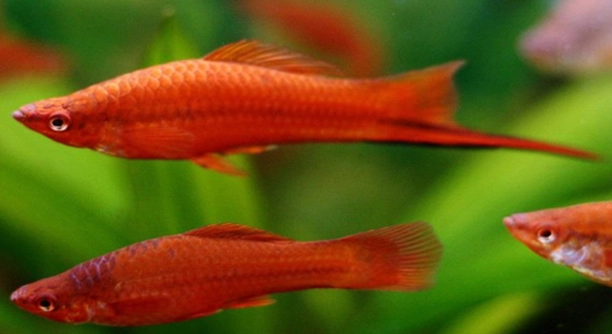
A healthy swordtail school is a sign of a thriving aquarium. Swordtails are active, social fish that flourish in well-maintained environments. Understanding the signs of a healthy school can help you care for your fish and their habitat.
A healthy swordtail school exhibits strong swimming behaviors, vibrant colors, and peaceful interactions among members. A balanced environment with stable water conditions, appropriate tank mates, and proper diet are essential factors that contribute to their well-being.
Knowing what to look for in your swordtail school will ensure they stay happy and healthy. From their behavior to their physical condition, recognizing these signs can help you maintain a thriving tank environment.
Active Swimming Patterns
One of the most noticeable signs of a healthy swordtail school is their active swimming patterns. Swordtails are naturally energetic and enjoy swimming together in coordinated groups. When the fish are happy and healthy, they swim freely, constantly interacting with each other. A school of swordtails that stays close together is usually a good sign. These fish are typically found near the middle and top levels of the tank. Healthy swordtails swim smoothly and gracefully, not lethargically or sporadically. If you notice them swimming in circles or appearing unusually still, it may be an indication of something wrong in the environment.
Their energetic movement isn’t just about looks – it’s a sign that they feel secure and content in their environment. Swordtails thrive in schools because it helps them feel safe from potential threats. When the fish swim together in unison, they are not only active but also display their natural behavior.
If your swordtails are swimming calmly together and staying active, it shows they are happy with their surroundings. This can also indicate that the water quality is suitable for their needs. On the other hand, if they avoid each other or stay isolated, it may point to stress or poor water conditions. You’ll want to check their tank setup if that happens.
Vibrant Coloration
Swordtails are known for their striking colors, and a healthy school will showcase vibrant hues. Their colors may range from red, orange, to yellow, and even green or blue. A healthy swordtail’s coloration should appear bright and even across its body. Faded or dull colors can be an early sign of poor water quality, stress, or an imbalance in their diet.
In addition to their regular hues, swordtails also display unique patterns that can help identify their health. If they are regularly fed a balanced diet and their tank is kept in good condition, their colors will be rich and intense. However, if your swordtails appear washed out, you should take a closer look at their care and environment.
Coloration is also a good indicator of your swordtails’ overall health and happiness. Swordtails in a stressful environment may lose their vibrancy. If you want your swordtails to retain their beautiful colors, ensure the water quality and conditions are optimal, and that they are fed the right food.
Social Behavior
Swordtails are social creatures that thrive in groups. A healthy school will interact with each other through occasional chasing, playful displays, and shared swimming. They show no signs of aggression or bullying, as each fish should feel comfortable within the group. If your swordtails are actively engaging with one another, it’s a good sign.
However, if you notice one or more fish consistently isolated or being chased by others, it could indicate stress or dominance issues. Swordtails in a well-maintained tank will exhibit peaceful behaviors and communicate through non-aggressive postures. The lack of aggression is key to a thriving school.
When the school remains calm and peaceful, it reflects a stable environment. Swordtails are sensitive to changes in water quality and stress levels. Keeping them in a large group ensures they are less likely to feel vulnerable. Proper tank mates are also important for maintaining this harmonious social balance.
Healthy Eating Habits
Swordtails are opportunistic feeders and should show interest in food during feeding time. Healthy swordtails will eat eagerly without hesitation, actively competing for food without showing signs of hesitation. If they are hesitant or refuse food regularly, it could indicate illness, stress, or poor tank conditions.
Feeding your swordtails a balanced diet of high-quality flakes, pellets, and occasional live foods will ensure they maintain energy. Swordtails that are healthy typically have a good appetite and will eat at various times throughout the day. Watching them consume food enthusiastically is a clear sign that their health is on track.
If your swordtails are eating well, it shows that they are comfortable and in an environment that supports their well-being. Lack of appetite or poor eating habits may suggest the need for adjustments in their care routine, including water changes, diet, or tank conditions.
Proper Growth and Size
A healthy swordtail school will show consistent growth and maintain a proper size for their age. Swordtails typically reach maturity within 6-8 months and should grow steadily. If your swordtails are growing at an abnormal rate or not growing at all, it could signal problems with water quality or diet.
Monitor your fish’s size and compare them with others in the same school. If they appear stunted or underdeveloped, it’s a sign that something in their environment isn’t right. Inconsistent growth may point to nutrient deficiencies or stress. A balanced diet and optimal tank conditions are essential for healthy growth.
Swordtails that are well-fed and living in a stable tank will grow at a steady pace. Ensuring that the water is clean and the fish are provided with proper food will help them reach their full potential in size and health.
Clean and Clear Eyes
Swordtails with clear, bright eyes are a sign of overall good health. Their eyes should not be cloudy or bulging, which can indicate health issues. Cloudy eyes in particular can be a sign of illness, poor water quality, or stress.
If your swordtails are swimming around with clear, bright eyes, it shows that they are free of infection and are thriving in their environment. Any signs of eye problems should be addressed quickly, as it could worsen over time. Regular water changes can help prevent eye-related issues.
Tank Conditions
The water quality in your swordtail tank plays a big role in their health. A clean tank with proper filtration, stable temperature, and balanced pH is essential. Poor water quality can lead to stress and illness, even if the fish appear healthy otherwise.
FAQ
How often should I feed my swordtails?
Swordtails should be fed once or twice a day, depending on their age and activity level. Younger swordtails, especially fry, may need smaller portions more frequently. Be careful not to overfeed, as uneaten food can cause water quality issues. A balanced diet of high-quality flake food, supplemented with live or frozen foods, will keep your swordtails healthy.
What temperature should the water be for swordtails?
Swordtails thrive in temperatures between 72°F to 78°F (22°C to 26°C). Keeping the water temperature stable within this range ensures that your swordtails stay active and healthy. Avoid sudden temperature fluctuations, as they can stress the fish and make them more vulnerable to illness.
Can swordtails live with other species of fish?
Yes, swordtails are generally peaceful and can coexist with other non-aggressive species. Good tank mates include guppies, mollies, and other small, peaceful fish. Avoid housing them with overly aggressive or fin-nipping species, as this can stress your swordtails. Ensure that all fish share similar water requirements to maintain a balanced tank.
How do I know if my swordtail is sick?
Signs of illness in swordtails include lethargy, loss of appetite, faded coloration, and visible lesions or abnormal growths. If you notice these symptoms, isolate the affected fish and check the water quality. Sometimes, poor water conditions can be the root cause of sickness, so regular maintenance is important to prevent disease outbreaks.
What should I do if my swordtail’s fins are torn or damaged?
If your swordtail’s fins are torn, it’s often the result of aggression from tank mates or poor water conditions. You can treat minor fin damage by improving water quality and ensuring no aggressive fish are in the tank. Severe damage may require using an antibiotic or salt bath. Monitor the fish closely and separate it from others if necessary.
How can I encourage swordtails to breed?
Swordtails are easy to breed in a well-maintained tank. To encourage breeding, make sure you have a healthy male-to-female ratio (1 male to 2 or 3 females). Keep the water temperature slightly higher, around 78°F (25-26°C), and ensure there are plenty of plants or hiding spots for the fry. Swordtails breed readily, and the females may give birth to live fry every 4-6 weeks.
Why is my swordtail’s color fading?
Fading color in swordtails can be caused by poor water quality, stress, or inadequate diet. Ensure that the tank has proper filtration, the water is changed regularly, and the swordtails are getting a varied diet. Stress from incompatible tank mates or poor conditions can also cause their colors to lose vibrancy.
Do swordtails need a lot of space?
While swordtails don’t require extremely large tanks, they do benefit from ample space to swim. A 20-gallon tank is ideal for a small school of swordtails, providing enough room for them to swim freely. Overcrowding can cause stress, leading to health problems. The more space you can provide, the healthier your swordtails will be.
How long do swordtails live?
Swordtails typically live between 3 to 5 years when kept in good conditions. Their lifespan can be influenced by factors such as water quality, diet, and the presence of tank mates. Swordtails that are well cared for can reach the upper end of this range, living longer and healthier lives.
How do I maintain water quality for swordtails?
To maintain water quality for swordtails, perform regular water changes (about 20-30% every week), and use a reliable filtration system. Check water parameters like pH (7.0 to 8.0), ammonia, nitrites, and nitrates regularly. Swordtails need clean, well-oxygenated water to thrive. Avoid overfeeding to prevent water contamination.
Can swordtails be kept in a community tank?
Swordtails are excellent for community tanks due to their peaceful nature. They coexist well with other calm fish like guppies, tetras, and mollies. However, be cautious when pairing them with fin-nipping species or overly aggressive fish, as swordtails can become stressed or injured in such conditions.
Why is my swordtail swimming erratically?
Erratic swimming can be a sign of stress, poor water quality, or illness. Check the water temperature, pH, and ammonia levels to ensure they are within the proper range. If the water quality is fine, the erratic behavior could indicate a parasite or infection. Consider isolating the fish and treating it if necessary.
What’s the best way to acclimate new swordtails to my tank?
When introducing new swordtails, float the bag in the tank for about 15-20 minutes to equalize the temperature. Gradually add small amounts of tank water into the bag to help them adjust to the water conditions. After about an hour, gently release the fish into the tank. This helps reduce the shock of a new environment.
Do swordtails need live plants in their tank?
Live plants are not a requirement for swordtails, but they can benefit from having them in the tank. Plants provide hiding spots, help improve water quality by absorbing excess nutrients, and offer a more natural environment. Adding plants like Java fern or Anubias can improve your swordtails’ well-being.
How do I prevent swordtail fry from being eaten?
Swordtail fry are small and vulnerable to being eaten by adult fish. To prevent this, provide plenty of hiding spots in the tank, such as plants or small caves. You can also separate the fry in a breeding box or net until they are large enough to join the adult fish.
Final Thoughts
Taking care of a swordtail school can be a rewarding experience. These fish are easy to care for, especially when their environment is kept clean and stable. Regular water changes, appropriate feeding, and a balanced tank setup are essential to maintaining their health. Swordtails thrive in groups, and when kept in good conditions, they display lively behavior, vibrant colors, and peaceful social interactions. Observing their natural behaviors can be an enjoyable part of aquarium care.
If you’re noticing any changes in your swordtails, such as faded colors, lethargy, or abnormal swimming patterns, it’s a good idea to check the tank conditions. Issues like poor water quality, overcrowding, or the wrong tank mates can stress your swordtails, which may affect their health. Addressing these problems early on is key to preventing serious health issues and ensuring your fish remain happy. Maintaining consistent water parameters, such as temperature, pH, and ammonia levels, is also crucial to keeping swordtails healthy in the long run.
Swordtails are generally hardy fish, but they still require attention and care to thrive. If you’re new to keeping swordtails or fishkeeping in general, don’t worry. With a little effort and observation, you’ll soon learn what makes your fish happy. As long as you stay consistent with their care and create a suitable environment for them, you’ll enjoy watching your swordtail school flourish.

Hello,
If you enjoy the content that we create, please consider saying a "Thank You!" by leaving a tip.
Every little bit helps us continue crafting quality advice that supports the health, happiness, and well-being of pets around the world, for pets of all shapes, sizes, and species.
We really appreciate the kindness and support that you show us!