
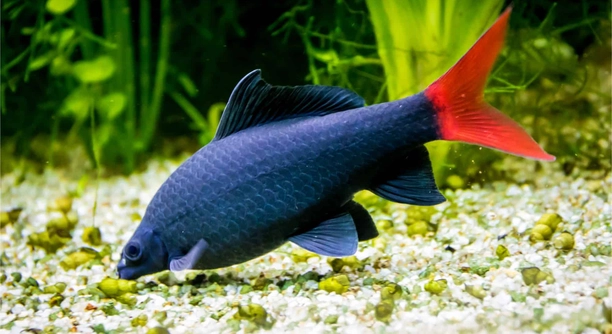
A healthy rainbow shark habitat is essential for the well-being of these active and colorful fish. Maintaining the right environment helps them thrive and reduces stress, promoting their natural behavior and vibrant appearance in the aquarium.
A suitable rainbow shark habitat includes clean water, proper tank size, stable temperature, sufficient hiding spots, balanced diet, good filtration, and low stress levels. Each factor contributes to the overall health and longevity of the fish in captivity.
Knowing these signs ensures your rainbow sharks live comfortably and display their best colors. The following points highlight what to observe for a thriving aquatic environment.
Clean and Stable Water Conditions
Maintaining clean and stable water is crucial for a rainbow shark’s health. These fish are sensitive to sudden changes in water quality. Regular water changes help keep ammonia, nitrite, and nitrate levels low, preventing toxic buildup. A reliable filtration system removes waste and debris, keeping the water clear and oxygen-rich. Testing water parameters weekly is a good habit to ensure the pH stays between 6.5 and 7.5, with temperature steady around 75–80°F (24–27°C). Avoid overcrowding the tank, as it can cause rapid water quality decline and stress the fish. Keeping the water stable creates a comfortable habitat where rainbow sharks can swim actively and display their bright colors.
Proper water maintenance prevents disease and improves overall fish vitality. Consistency is key to a healthy tank environment.
A balanced environment is essential for rainbow sharks, as unstable water conditions can lead to illness and lethargy. Regular water changes, effective filtration, and monitoring water chemistry create a habitat that supports their natural behavior and long lifespan.
Sufficient Tank Size and Hiding Spots
Rainbow sharks require enough space to swim and explore. A tank of at least 30 gallons is recommended to provide ample room for their activity. These fish are territorial and benefit from having defined areas to claim. Including hiding spots like caves, plants, and driftwood helps reduce aggression and gives them places to retreat. Such environmental enrichment encourages natural behavior and lowers stress. Using decorations to create visual barriers also helps minimize conflicts between tank mates. A well-planned tank layout respects their territorial nature while allowing peaceful coexistence with other species.
Creating a varied environment with hiding places promotes calm and healthy fish.
Providing a spacious tank with plenty of hiding spots supports rainbow sharks’ well-being. Territorial behavior is common, so a large, enriched environment reduces stress and aggression. Incorporating live or artificial plants, rock formations, and caves mimics their natural habitat, offering comfort and security. The ability to hide or establish a territory helps them feel safe. This setup also encourages active swimming and exploration, which are signs of a happy and healthy fish. By offering enough space and shelter, you ensure a stable social structure and reduce the chances of injury or bullying in the tank. Proper habitat design improves both the fish’s physical and psychological health.
Balanced Diet and Feeding Routine
A balanced diet is key to keeping rainbow sharks healthy. They are omnivores, needing a mix of plant matter and protein.
Rainbow sharks thrive on a diet that includes high-quality pellets, flakes, and occasional live or frozen foods such as bloodworms or brine shrimp. Vegetables like zucchini and spinach can supplement their diet, providing essential nutrients and fiber. Feeding should be done once or twice daily, offering only as much food as they can consume in a few minutes. Overfeeding can lead to water quality issues and health problems.
Establishing a consistent feeding routine helps maintain their energy levels and vibrant colors. It also supports their immune system and growth. Avoid sudden changes in diet to prevent stress or digestive upset. Variety in food keeps them interested and ensures they receive a wide range of nutrients.
Proper Filtration and Aeration
Effective filtration removes harmful waste and keeps the tank water clean. Aeration ensures oxygen levels remain sufficient for fish health.
Good filtration systems include mechanical, biological, and chemical filtration stages. Mechanical filtration traps solid particles, while biological filtration breaks down toxic ammonia and nitrites through beneficial bacteria. Chemical filtration removes dissolved impurities. A strong filter rated for the tank size is essential, especially for rainbow sharks that produce moderate waste. Adequate aeration, often provided by air stones or powerheads, maintains oxygen levels. Proper water circulation reduces dead zones where oxygen can become depleted. Both filtration and aeration work together to create a healthy aquatic environment. Monitoring filter performance and cleaning or replacing filter media regularly is necessary to sustain efficiency and prevent system failure. This helps prevent fish stress and disease caused by poor water conditions.
Low Stress Environment
A calm environment is essential for rainbow sharks. High stress can weaken their immune system and lead to illness.
Minimize sudden changes in lighting, temperature, or tank decorations. Avoid aggressive tank mates to reduce conflict and stress.
Consistent Temperature Control
Maintaining a stable temperature between 75°F and 80°F is vital. Sudden temperature fluctuations can cause stress and disease. Use a reliable heater with a thermostat to keep conditions steady. Monitor the temperature regularly to ensure it stays within the ideal range.
Regular Health Monitoring
Observe your rainbow sharks for signs of illness or abnormal behavior. Early detection helps prevent serious problems and improves treatment success.
Proper Tank Maintenance
Routine cleaning and water changes keep the habitat safe and healthy for rainbow sharks.
What are the ideal water parameters for a rainbow shark habitat?
Rainbow sharks thrive best in water with a pH level between 6.5 and 7.5. The temperature should be maintained between 75°F and 80°F (24°C to 27°C). Ammonia and nitrite levels must be kept at zero, while nitrate should stay below 20 ppm. Regular water testing is important to catch any changes early. Stable conditions reduce stress and promote good health.
How often should I change the water in my rainbow shark tank?
Performing partial water changes of about 20-25% every week is recommended. This frequency helps remove toxins and replenish essential minerals. Avoid changing too much water at once to prevent sudden shifts in water chemistry. Consistent water changes keep the environment safe and comfortable for the fish.
What size tank is best for rainbow sharks?
A minimum tank size of 30 gallons is advised for a single rainbow shark. These fish are active swimmers and need space to establish territory. Larger tanks help reduce aggression and allow room for decorations and hiding spots. Overcrowding leads to stress and poor water quality.
Can rainbow sharks live with other fish?
Yes, but caution is necessary. Rainbow sharks are territorial and may become aggressive toward similar-looking or slow-moving fish. Good tank mates include fast swimmers or robust species that can handle themselves. Providing hiding places and enough space reduces conflicts.
What should I feed my rainbow shark?
Rainbow sharks are omnivores. Their diet should include high-quality sinking pellets or flakes supplemented with live or frozen foods such as bloodworms, brine shrimp, or daphnia. Vegetables like blanched zucchini or spinach can be added occasionally. Feeding once or twice daily in small amounts is ideal to prevent overfeeding and maintain water quality.
Why is my rainbow shark hiding all the time?
Hiding can be a sign of stress, illness, or unsuitable tank conditions. It may indicate poor water quality, aggression from tank mates, or inadequate hiding spots. Check water parameters and observe for signs of disease. Increasing shelter and reducing stressors can encourage normal behavior.
How can I reduce aggression in my rainbow shark tank?
To reduce aggression, provide enough space with at least 30 gallons per fish. Add plenty of hiding places and visual barriers using plants, rocks, or decorations. Avoid keeping multiple rainbow sharks in small tanks. Choose compatible tank mates and maintain good water quality to minimize stress-related aggression.
How do I know if my rainbow shark is healthy?
A healthy rainbow shark has bright, vibrant colors and active swimming behavior. Clear eyes, intact fins, and regular eating habits are good signs. Watch for any unusual spots, swelling, or lethargy. Early detection of changes in appearance or behavior allows timely care.
What kind of filtration is best for a rainbow shark tank?
A strong filtration system that combines mechanical, biological, and chemical filtration works best. Mechanical filtration removes debris, biological filtration breaks down harmful toxins, and chemical filtration eliminates dissolved impurities. The filter should be rated for the tank size and provide adequate water flow without being too strong.
Can rainbow sharks live in cold water tanks?
No, rainbow sharks prefer tropical temperatures between 75°F and 80°F. Cold water stresses them and makes them susceptible to disease. Using a heater with a thermostat is necessary to keep water temperature stable within their preferred range.
How long do rainbow sharks typically live?
With proper care, rainbow sharks can live between 5 to 8 years in captivity. Maintaining clean water, a balanced diet, and a stress-free environment are key factors for longevity.
Are rainbow sharks sensitive to lighting?
Rainbow sharks do not require intense lighting. Moderate lighting that mimics their natural environment is sufficient. Too bright lighting can cause stress. Providing shaded areas or plants helps them feel secure.
What are common diseases that affect rainbow sharks?
Common diseases include ich, fin rot, and bacterial infections. These often result from poor water quality or stress. Early signs include white spots, torn fins, or unusual behavior. Maintaining good water conditions and quarantine procedures for new fish helps prevent disease outbreaks.
Is it necessary to quarantine new fish before adding them to the rainbow shark tank?
Yes, quarantining new fish for at least two weeks is advisable. This prevents introducing diseases or parasites into the main tank. During quarantine, monitor new fish for signs of illness and treat if necessary before mixing with established tank inhabitants.
How often should I clean the tank decorations and substrate?
Cleaning decorations and substrate every 3 to 4 weeks helps remove algae, uneaten food, and waste buildup. Avoid using soap or harsh chemicals. Instead, rinse items with tank water during water changes to maintain beneficial bacteria and keep the habitat healthy.
Maintaining a healthy rainbow shark habitat requires attention to several important factors. Ensuring clean, stable water conditions is one of the most critical steps. Regular water changes and monitoring of water parameters help keep ammonia and nitrate levels low. A proper filtration system supports this by removing waste and maintaining water clarity. Stable temperature control between 75°F and 80°F also plays a major role in keeping these fish comfortable. Without a consistent environment, rainbow sharks may become stressed and more prone to illness.
Tank size and layout also greatly impact the well-being of rainbow sharks. A minimum of 30 gallons provides enough room for swimming and establishing territory. Adding hiding spots such as plants, caves, or driftwood allows the fish to feel secure and reduces aggression. These features mimic their natural habitat and promote natural behavior. Proper tank mates should be chosen carefully, as rainbow sharks can be territorial. Providing enough space and shelter helps create a balanced environment where different fish can coexist peacefully.
Feeding a balanced diet is equally important. Rainbow sharks need a variety of foods including high-quality pellets, live or frozen protein, and some vegetables. Feeding in small amounts once or twice daily prevents overfeeding and water quality issues. Regular observation of their behavior and appearance can help detect health problems early. Overall, maintaining a healthy rainbow shark habitat takes consistent effort but leads to happier, more vibrant fish. By paying close attention to water quality, tank setup, and diet, you create a safe environment where your rainbow sharks can thrive for years.

Hello,
If you enjoy the content that we create, please consider saying a "Thank You!" by leaving a tip.
Every little bit helps us continue crafting quality advice that supports the health, happiness, and well-being of pets around the world, for pets of all shapes, sizes, and species.
We really appreciate the kindness and support that you show us!