
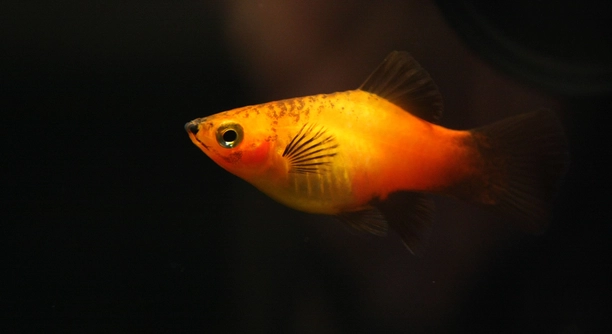
Are your platies showing signs of good health? Knowing what to look for helps keep these colorful fish happy and thriving in your aquarium. Understanding their condition is important for a lasting, enjoyable pet experience.
Healthy platies exhibit clear eyes, vibrant coloration, smooth scales, steady swimming, regular eating habits, and normal breathing patterns. Observing these signs regularly helps maintain their well-being and quickly addresses potential health issues.
Recognizing these indicators ensures your platy stays active and lively. The following details will help you maintain a healthy environment for your fish.
Clear Eyes and Vibrant Colors
Healthy platies have bright, clear eyes without any cloudiness or swelling. Their eyes should appear alert and free from any visible damage. Cloudy or sunken eyes often indicate illness or poor water conditions. Along with the eyes, the fish’s colors are an important sign of health. Vibrant and consistent colors show that the fish is well-nourished and not stressed. Dull or faded colors can mean the platy is sick or unhappy. It is helpful to observe your platy regularly in natural light to see if its colors remain bright. Stress, poor diet, or bad water quality are common causes of color loss. Keeping the aquarium clean and feeding a balanced diet supports your platy’s natural coloration. Noticing changes early can prevent more serious health problems and keep your fish looking lively.
Clear eyes and bright colors are simple yet effective signs to assess the health of your platy fish every day.
Recognizing these visual cues helps you act quickly to maintain a healthy fish tank environment and protect your platy from common issues.
Smooth Scales and Normal Swimming
Smooth, intact scales without patches or wounds show that your platy is physically healthy. Damage to scales or skin can lead to infections. Normal swimming behavior includes steady, controlled movements without erratic darting or floating. Healthy platies swim actively and explore their surroundings calmly. Erratic swimming or hanging at the water surface may signal stress or illness.
A smooth body and natural swimming habits reflect good overall health in platies.
Platies depend on stable water conditions for proper scale health and swimming behavior. Water parameters such as pH, temperature, and ammonia levels need regular monitoring. Poor water quality causes stress, which weakens scales and disrupts swimming. It also makes the fish more vulnerable to parasites or diseases. Providing hiding spots and plants in the tank encourages natural swimming and reduces anxiety. Feeding small amounts several times a day supports energy levels and promotes consistent movement. Watching how your platy swims and inspecting its scales often allows you to catch health problems early. Early intervention helps avoid serious illness and maintains a balanced aquarium ecosystem.
Regular Eating and Normal Breathing
Healthy platies eat regularly and show interest in food. They approach feeding times eagerly and consume their portions quickly. Loss of appetite is a sign of stress or sickness. Normal breathing involves steady gill movements without rapid or labored breaths. Heavy breathing or gasping at the surface can indicate poor oxygen levels or disease.
Consistent eating habits and calm breathing are key indicators of platy health.
Maintaining a clean tank with proper filtration ensures oxygen levels remain sufficient for your platy’s comfort. Overfeeding can pollute the water, so feed only what your fish can finish within minutes. Observe your platy during feeding to confirm it eats well and watch for any unusual breathing patterns afterward. Healthy platies maintain their energy and show no signs of distress. Early attention to appetite changes or breathing difficulties prevents long-term problems and helps keep your aquarium thriving.
No Signs of Disease
A healthy platy shows no visible signs of disease such as white spots, redness, or fin rot. Clear skin and intact fins indicate good health. Any discoloration or damage should be addressed promptly.
Common diseases in platies include ich, fin rot, and fungal infections. Ich appears as tiny white spots on the body and fins. Fin rot causes fraying or decay of fin edges. Fungal infections often look like cottony patches on the skin. These conditions usually result from poor water quality or stress. Quarantining new fish before adding them to the tank reduces disease risk. Regular water changes and maintaining proper tank conditions help prevent outbreaks. Early detection and treatment with appropriate medications improve recovery chances. Monitoring your fish daily allows quick response to any changes.
Treating disease quickly helps avoid spreading to other tank inhabitants. Keeping the aquarium clean and stable supports your platy’s immune system. Healthy fish are less likely to develop infections, making prevention the best approach to maintaining long-term health.
Active and Social Behavior
Platies are naturally active and social fish that interact well with others. They swim together in groups and explore their environment regularly.
When platies display normal social behavior, it indicates they are comfortable and healthy. They often chase each other playfully but without aggression. A sudden change in activity level or isolation may signal health issues. Active swimming and interaction show good energy levels and proper tank conditions. Social behavior also reduces stress, which benefits overall health. Providing enough space and companions keeps platies engaged.
Observing your platy’s behavior daily helps track their well-being. Changes in activity or social habits should not be ignored, as they often precede physical symptoms. Ensuring your fish have a stimulating environment with plants and hiding spots promotes natural behavior and mental health. Active, social platies usually enjoy a longer, healthier life.
Proper Body Shape
A healthy platy has a well-rounded, symmetrical body without signs of swelling or bloating. Abnormal bulges or sunken areas may indicate internal issues or parasites.
Maintaining good nutrition and clean water helps keep your platy’s body in proper shape. Avoid overfeeding, which can cause obesity or digestive problems.
Responsive to Environment
Platies respond quickly to changes in their environment. They react to movement outside the tank and changes in lighting or water flow.
A lively response shows your platy is alert and comfortable. A lack of reaction may indicate illness or stress.
Clear Fins
Clear fins without tears or discoloration signal good health in platies. Damaged fins often result from poor water quality or fighting.
Regular tank maintenance and monitoring prevent fin damage and support overall well-being.
FAQ
How often should I check my platy’s health?
It is best to observe your platy daily during feeding or tank maintenance. Quick daily checks help spot any early signs of illness, changes in behavior, or physical damage. Consistent monitoring allows you to address problems before they worsen, ensuring your platy stays healthy.
What water parameters are ideal for platies?
Platies thrive in water with a temperature between 70°F and 78°F (21°C–26°C). The pH should be neutral to slightly alkaline, around 7.0 to 8.2. Ammonia and nitrite levels must be at zero, and nitrate should be kept low through regular water changes. Proper filtration and aeration also contribute to a stable environment.
What signs indicate my platy might be sick?
Signs include faded colors, cloudy eyes, clamped fins, erratic swimming, loss of appetite, heavy breathing, or white spots on the body. Physical damage like torn fins or swelling can also indicate health issues. Early recognition of these signs is critical to successful treatment.
Can platies live with other fish?
Yes, platies are peaceful community fish and get along well with other non-aggressive species. Suitable tank mates include guppies, mollies, tetras, and corydoras catfish. Avoid housing platies with aggressive or much larger fish to prevent stress or injury.
How often should I feed my platy?
Feed your platy small amounts two to three times daily. Offer only what they can eat in about two minutes to prevent overfeeding, which pollutes the tank. A balanced diet of high-quality flakes, pellets, and occasional live or frozen foods supports their health and color.
What causes fin rot, and how can I prevent it?
Fin rot is caused by bacterial infections often triggered by poor water quality or stress. Prevent it by maintaining clean water, avoiding overcrowding, and feeding a nutritious diet. If fin rot occurs, treatment with antibacterial medication and improved tank conditions usually helps recovery.
How can I tell if my platy is stressed?
Signs of stress include hiding constantly, rapid breathing, loss of appetite, faded colors, or erratic swimming. Stress often results from poor water quality, aggressive tank mates, sudden changes, or inadequate hiding spots. Addressing these factors reduces stress and promotes well-being.
Do platies need plants or decorations in the tank?
Yes, plants and decorations provide hiding spots and reduce stress. Live plants also improve water quality by absorbing nitrates. Creating a natural environment encourages natural behaviors and makes platies feel secure, contributing to their overall health.
What should I do if my platy stops eating?
Loss of appetite can signal illness, stress, or poor water conditions. Test water parameters immediately and check for signs of disease. Isolate the fish if necessary and offer a variety of foods, including live or frozen options, to stimulate feeding.
How long do platies typically live?
Platies usually live between two and three years with proper care. Maintaining stable water conditions, a balanced diet, and preventing disease extend their lifespan. Regular observation and early treatment of health issues also contribute to a longer life.
Maintaining a healthy platy requires regular observation and proper care. Paying attention to clear eyes, vibrant colors, smooth scales, and normal swimming habits helps ensure the fish is thriving. Feeding a balanced diet in appropriate amounts supports good nutrition and energy levels. Keeping the tank clean with stable water parameters is essential for preventing stress and disease. By routinely checking these signs, you can quickly identify any issues before they become serious problems.
It is important to understand the behavior of your platy as well. Active swimming and social interaction with tank mates are good indicators of comfort and health. Any sudden changes in behavior, such as hiding, sluggishness, or erratic movements, should not be overlooked. These may be early warnings of illness or poor water conditions. Providing plants and decorations in the tank helps reduce stress by offering places to hide and explore, which encourages natural behavior and mental well-being.
Overall, caring for platies involves a combination of good nutrition, clean water, and regular monitoring. Preventing common health problems through proper tank management is easier than treating diseases after they occur. Healthy platies bring color and life to an aquarium, making the effort worthwhile. Consistency in care and attention to detail will help your platy live a long, active, and happy life in your home aquarium.

Hello,
If you enjoy the content that we create, please consider saying a "Thank You!" by leaving a tip.
Every little bit helps us continue crafting quality advice that supports the health, happiness, and well-being of pets around the world, for pets of all shapes, sizes, and species.
We really appreciate the kindness and support that you show us!