
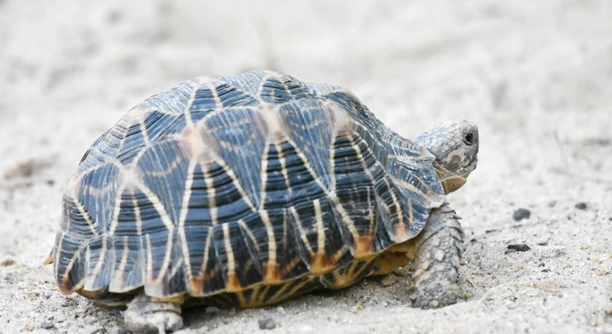
Tortoises are incredible creatures, and their health can be closely monitored by the condition of their shell. The state of the shell offers valuable insight into their overall well-being, making it important to understand the signs of a healthy one.
A healthy Indian Star Tortoise shell should be smooth, strong, and free from cracks or deformities. The scutes, which are the hard plates covering the shell, should fit together neatly and show vibrant colors without dullness or discoloration.
Learning the basics of shell health can help prevent serious issues and ensure your tortoise remains strong and happy. A healthy shell contributes significantly to its overall longevity and comfort.
Importance of Shell Condition for Overall Health
The shell of an Indian Star Tortoise plays a crucial role in its well-being. It acts as both protection and a way to monitor their health. A tortoise’s shell can reveal signs of illness or stress, often before other symptoms show. Regularly checking the shell can help detect problems early, allowing for quicker treatment and prevention of further issues. A healthy shell is smooth, with no obvious cracks or deformities, indicating that the tortoise is thriving. Poor shell health can be a sign of improper diet, poor living conditions, or even disease.
Healthy tortoises maintain strong, clean shells with no signs of abnormal growth. This condition shows that they are getting proper nutrition and care.
Ensuring proper UVB light, balanced food, and access to water supports shell health. Environmental stressors, like inappropriate temperatures or poor habitat conditions, can cause visible damage. If your tortoise’s shell becomes soft or shows irregularities, it’s vital to adjust its habitat and diet. Over time, neglected shell health can lead to infections and permanent damage.
How to Spot Shell Damage Early
Spotting early signs of shell damage helps prevent worsening conditions. Watch for cracks, discoloration, or uneven growth.
When it comes to a tortoise’s shell, early detection of damage is key to successful treatment. Cracks, soft spots, or unusual patterns of growth are all warning signs. These issues often point to an underlying problem, such as insufficient calcium intake or a lack of proper basking areas. Proper nutrition and a balanced diet are necessary for maintaining a strong shell. Calcium and vitamin D3, provided through food or supplements, are essential for shell health. Without these, the shell may become brittle or soft, increasing the risk of injury. By staying vigilant, you can catch problems early, ensuring that your tortoise remains healthy and active.
Smooth and Shiny Shell
A healthy Indian Star Tortoise shell is smooth and shiny. Any rough patches or dullness could indicate poor health. Regular maintenance of a clean, well-balanced environment will keep the shell looking vibrant.
When the shell looks polished, it shows that the tortoise is thriving. A shiny shell is often linked to proper care, including a balanced diet and correct habitat conditions. Make sure your tortoise has access to UVB lighting, which helps with calcium absorption. Poor lighting or inadequate nutrition can lead to dullness or irregularities on the shell surface, signaling health issues.
A shell that lacks shine may also be linked to dehydration or vitamin deficiencies. Keeping your tortoise hydrated and well-nourished is essential for shell health. If you notice your tortoise’s shell becoming dull, assess the diet, habitat, and overall care routine to identify areas for improvement. The shinier and smoother the shell, the better the tortoise’s health is likely to be.
Strong and Resilient Scutes
The scutes are the individual sections that make up the shell. Healthy scutes should be firmly attached and free from any gaps or lifting.
Scutes that are strong and resilient help protect the tortoise from injury and environmental stresses. Over time, the scutes may naturally shed, but they should remain intact during this process. Regularly inspecting the scutes for any signs of separation or abnormal growth will help identify issues early on. If scutes begin lifting or cracking, it’s important to evaluate your tortoise’s diet and living conditions.
A lack of calcium can lead to weak, lifting scutes, which can affect the tortoise’s mobility. Maintaining a diet rich in calcium, along with proper UVB exposure, is crucial. Scutes should be evenly aligned and free from discoloration or deformities. If any scutes appear abnormal, consult a veterinarian to ensure that the tortoise is not facing a health issue that needs immediate attention. A strong, intact set of scutes is vital for the overall health and well-being of the tortoise.
Properly Shaped Shell
A healthy Indian Star Tortoise has a shell that is well-shaped, without any unusual bulges or indentations. If the shell appears misshapen, it may point to nutritional or environmental problems.
Proper shape is crucial for both protection and comfort. A shell that’s too flat or oddly shaped can indicate a deficiency in calcium or UVB light. Ensure the tortoise has a balanced diet rich in calcium and exposure to proper UVB lighting. A well-formed shell allows for better movement and overall function. If abnormalities are seen, address the habitat or dietary needs immediately to prevent further issues.
Vibrant Shell Color
The color of the shell plays a big role in assessing health. A vibrant, bright shell indicates a healthy, thriving tortoise.
Fading or discoloration of the shell may suggest poor nutrition or health issues. A tortoise with a healthy shell will exhibit a rich, deep color on both the scutes and the skin. A lack of proper diet, especially the necessary nutrients like calcium and vitamin D3, can result in pale or washed-out coloring. The appearance of a dull or pale shell is often a sign of stress, illness, or inadequate care. Keeping your tortoise in a controlled environment with proper lighting, warmth, and nutrition is key to maintaining its vibrant color.
Absence of Shell Softness
A healthy shell should feel firm and strong. Softness or pliability in the shell is a warning sign.
If the shell feels soft to the touch, this could be a sign of metabolic bone disease or calcium deficiency. Over time, a soft shell may become more susceptible to injury. Ensuring a balanced diet and appropriate UVB exposure will keep the shell firm and strong. If the shell remains soft despite proper care, consult a veterinarian for further treatment.
FAQ
What causes shell deformities in Indian Star Tortoises?
Shell deformities in Indian Star Tortoises can be caused by several factors, including poor diet, lack of UVB light, or environmental stress. A deficiency in calcium or vitamin D3 is one of the main causes, as these nutrients are essential for strong, healthy shell growth. Inadequate exposure to sunlight or UVB light can also prevent the proper absorption of calcium. Additionally, poor habitat conditions, such as improper temperatures or humidity levels, may contribute to shell deformities. It’s important to ensure the tortoise has a balanced diet and the right living conditions to prevent these issues.
How can I prevent my tortoise’s shell from becoming soft?
A soft shell in a tortoise is often a sign of a calcium deficiency or metabolic bone disease. To prevent this, ensure your tortoise gets enough calcium in its diet, which is crucial for maintaining a strong and healthy shell. A diet rich in calcium sources like leafy greens, as well as calcium supplements, can help. UVB lighting is also essential for the tortoise to absorb calcium properly. Without UVB light, the calcium will not be absorbed effectively, leading to a soft shell. Regularly check the habitat for the right temperature and lighting conditions to promote a firm, strong shell.
Why is my tortoise’s shell turning dull?
A dull shell may be a sign of poor health or environmental issues. If your tortoise’s shell has lost its shine, it could indicate that the tortoise is lacking proper nutrition or is being kept in suboptimal conditions. Common causes include insufficient UVB lighting, a lack of calcium, or dehydration. Stress, such as from an overcrowded habitat or sudden changes in environment, can also lead to a dull appearance. To address this, check that your tortoise is getting a balanced diet, plenty of fresh water, and adequate lighting. Keeping the tortoise’s habitat clean and stable will help maintain the vibrancy of its shell.
How often should I check my tortoise’s shell for signs of damage?
It’s important to check your tortoise’s shell regularly for any signs of damage, at least once a week. This allows you to catch any issues early, such as cracks, soft spots, or deformities. Regular checks also ensure that the shell stays healthy and free from parasites or fungal infections. Pay close attention to any changes in the shell’s appearance, such as discoloration, uneven growth, or abnormal shedding. If you notice anything unusual, consult a veterinarian as soon as possible to prevent the issue from worsening. Early detection is key to keeping your tortoise healthy.
Can diet affect the health of my tortoise’s shell?
Yes, diet plays a significant role in the health of your tortoise’s shell. A diet deficient in essential nutrients, especially calcium, can lead to softening, deformities, or discoloration of the shell. Ensure that your tortoise is fed a variety of leafy greens, fruits, and vegetables that are high in calcium. Additionally, supplementing the diet with calcium powder or cuttlebone will support shell health. Vitamin D3, which helps the tortoise absorb calcium, is also important and can be obtained through UVB light. If your tortoise is not receiving the proper nutrients, it can lead to significant shell and bone issues.
Is it normal for an Indian Star Tortoise to shed its scutes?
Yes, shedding of scutes is completely normal for Indian Star Tortoises. As the tortoise grows, it sheds its scutes to make room for new, larger ones. This process, called ecdysis, happens gradually and should not cause any concern. However, if scutes are coming off in large chunks or if the underlying shell is damaged, it may be a sign of a nutritional deficiency or an environmental problem. Make sure your tortoise is receiving enough calcium, vitamin D3, and proper UVB light to support healthy shell growth. If scute shedding seems abnormal, consult a vet.
How do I know if my tortoise is getting enough UVB light?
If your tortoise is not getting enough UVB light, it may suffer from calcium deficiencies, leading to soft or deformed shells. A good indicator of proper UVB exposure is a tortoise that remains active, has a healthy appetite, and maintains a shiny, strong shell. To ensure your tortoise gets adequate UVB light, use a high-quality UVB bulb and place it within the proper distance from the tortoise. The light should be on for 10-12 hours a day, simulating a natural day-night cycle. Always monitor your tortoise’s behavior and shell condition to determine if adjustments need to be made.
Can improper humidity levels affect shell health?
Yes, improper humidity levels can negatively affect your tortoise’s shell. If the environment is too dry, the tortoise may have difficulty shedding its scutes properly, leading to abnormal growth or retained scutes. Conversely, excessive humidity can promote fungal growth or shell rot, causing damage. It’s important to maintain the right humidity levels for your tortoise’s specific species. For Indian Star Tortoises, humidity should generally range from 50-60%. Regularly monitor and adjust the humidity in the habitat using a hygrometer to ensure that it stays within the ideal range.
What should I do if my tortoise’s shell is cracked?
A cracked shell is a serious issue that requires immediate attention. If your tortoise’s shell has cracked, you should first assess the severity of the damage. If the crack is deep and exposes the underlying tissue, it could lead to infection. In such cases, consult a veterinarian right away for proper treatment. For minor cracks, you can clean the area with a mild antiseptic and apply a shell repair gel to help it heal. It’s crucial to keep the tortoise in a clean, dry environment to avoid infection while the crack heals.
Final Thoughts
The health of an Indian Star Tortoise can often be assessed by looking at its shell. A smooth, strong, and well-maintained shell is a clear sign that your tortoise is living a healthy life. Regular checkups of the shell, including looking for any cracks, discoloration, or softness, can help spot problems early on. Paying attention to these signs ensures that your tortoise receives the right care before minor issues become major ones. Maintaining a balanced diet, proper lighting, and a clean environment is essential for the overall health of your tortoise, especially for its shell.
Shell health is not just about appearance. A healthy shell supports your tortoise’s ability to move, protect itself, and stay comfortable in its environment. If the shell becomes damaged or soft, it can affect the tortoise’s quality of life, leading to stress and even infections. That’s why it is so important to focus on nutrition and the right habitat conditions. Offering the right mix of calcium, vitamins, and minerals, along with access to UVB light, is the key to ensuring your tortoise’s shell stays strong and healthy. By following these simple guidelines, you are helping your tortoise live a long, healthy life.
While monitoring the shell is important, it’s equally necessary to provide your tortoise with a suitable environment. Proper lighting, a warm basking area, and humidity control are all important factors that influence the shell’s health. When all these factors come together, your tortoise will thrive, and its shell will remain in great condition. Always remember that a healthy tortoise shell is a reflection of its overall health. Keep a close eye on the shell’s condition, and with the right care, you’ll ensure that your Indian Star Tortoise lives a happy and long life.

Hello,
If you enjoy the content that we create, please consider saying a "Thank You!" by leaving a tip.
Every little bit helps us continue crafting quality advice that supports the health, happiness, and well-being of pets around the world, for pets of all shapes, sizes, and species.
We really appreciate the kindness and support that you show us!