
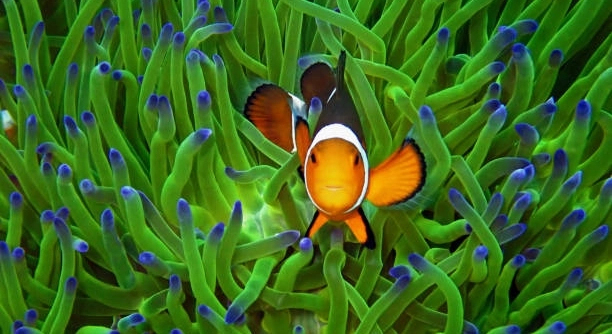
Clownfish are popular in home aquariums due to their bright colors and interesting behavior. Keeping a healthy clownfish pair requires understanding their signs of well-being and interaction. These signs help hobbyists maintain a thriving aquatic environment.
A healthy clownfish pair displays vibrant colors, active swimming, regular feeding behavior, mutual cleaning, consistent breathing patterns, peaceful coexistence, and successful breeding activity. These indicators collectively reflect optimal health and balanced social interaction within the pair.
Recognizing these signs ensures your clownfish remain healthy and active, contributing to a balanced and beautiful aquarium environment.
Vibrant Colors and Active Swimming
Healthy clownfish show bright, vibrant colors that stand out clearly in the tank. Their scales should look clean and smooth without any fading or spots. Dull or faded colors can indicate stress or illness. Alongside their bright colors, active swimming is a key sign of health. Healthy clownfish move confidently around the tank, exploring their environment without hesitation. They respond quickly to changes, such as feeding time or other fish nearby. If they start hiding or staying still for long periods, it may signal a problem. Keeping water quality high supports their coloration and energy levels. Proper diet and stable tank conditions also play important roles in maintaining these traits.
Bright colors and active swimming indicate that clownfish are comfortable and well-adapted to their environment.
Healthy clownfish naturally display vibrant colors and active swimming patterns. Their movement helps with social interaction and finding food. When their environment is stable, they maintain these behaviors consistently. Watching for any changes early helps prevent health issues.
Mutual Cleaning and Peaceful Coexistence
Clownfish pairs often engage in mutual cleaning, where they gently nibble at each other to remove debris or parasites. This behavior strengthens their bond and helps maintain hygiene. It also shows trust and cooperation between the pair, which is important for their well-being. Aggression or chasing among clownfish is a sign of stress or competition, which can harm their health. A peaceful coexistence means they share space calmly without constant fighting. Providing enough hiding spots and a balanced environment reduces tension. Mutual cleaning and calm behavior reflect a strong, healthy relationship.
Mutual cleaning and peaceful coexistence show a strong, trusting relationship between clownfish pairs.
When clownfish engage in mutual cleaning, it helps reduce parasites and keeps their skin healthy. This interaction builds social bonds and reduces stress. Peaceful coexistence means fewer injuries and less energy wasted on fighting. A stable environment with proper tank mates supports this behavior. Observing these social signs helps owners assess the health of their clownfish pair and make adjustments if needed.
Regular Feeding Behavior
Clownfish show regular feeding behavior when they eagerly come to the surface or feeding area at feeding times. They accept food readily without hesitation.
A healthy clownfish pair demonstrates consistent feeding habits. They respond promptly when food is introduced and consume it without signs of distress or loss of appetite. Irregular or reduced feeding may indicate stress, illness, or poor water conditions. Offering a balanced diet suited to their nutritional needs supports their energy and coloration. Monitoring feeding behavior allows early detection of potential health problems and ensures the fish receive adequate nourishment.
Maintaining a feeding schedule helps clownfish adjust and remain active. Observing how they eat can also reveal if one fish is dominating the food supply, which may require adjustments to prevent competition or stress within the pair.
Consistent Breathing Patterns
Healthy clownfish breathe steadily and calmly, showing no signs of rapid or labored breathing.
Breathing patterns in clownfish provide clear insight into their health. When water quality is good and oxygen levels are sufficient, clownfish maintain a slow, regular gill movement. Rapid gill movement or gasping at the surface can indicate poor water conditions, illness, or stress. Maintaining proper tank aeration and cleanliness is crucial to support stable breathing. Checking this behavior daily helps identify issues early, allowing timely intervention.
Proper breathing supports overall health and activity levels. Ensuring clean, oxygen-rich water and avoiding overcrowding helps clownfish breathe easily and stay healthy.
Balanced Social Interaction
Healthy clownfish pairs show balanced social interaction without dominance or aggression. Both fish share space and resources fairly.
When one fish constantly chases or intimidates the other, it signals imbalance. A peaceful relationship supports their well-being and reduces stress-related health issues.
Successful Breeding Activity
Successful breeding is a clear sign of a healthy clownfish pair. When conditions are right, they lay eggs regularly, and both parents care for them. Egg clutches should appear clean, evenly spaced, and protected. Active guarding and fanning of eggs by the parents indicate strong bonding and good health. Poor water quality or stress can reduce breeding activity or cause eggs to fail. Maintaining stable tank conditions encourages consistent reproduction. Monitoring breeding patterns provides insight into the pair’s overall condition and tank environment.
Stable Environment Maintenance
A stable environment is essential for clownfish health and happiness.
FAQ
How often should I feed my clownfish pair?
Feeding clownfish once or twice a day is usually sufficient. They thrive on a balanced diet of pellets, flakes, and occasional frozen or live foods like brine shrimp. Overfeeding can cause water quality issues, so feed only what they consume within a few minutes. Consistency in feeding times helps maintain their regular feeding behavior and overall health.
What water parameters are best for clownfish health?
Clownfish prefer stable water conditions with a temperature between 75-82°F (24-28°C), pH around 8.0-8.4, and salinity at 1.020-1.025 specific gravity. Ammonia and nitrite levels must be zero, and nitrate should remain low. Regular water testing and maintenance are crucial to prevent stress and health problems related to poor water quality.
Why is my clownfish pair not breeding?
Several factors affect clownfish breeding, including water quality, tank size, and stress levels. Ensure the tank is mature, stable, and free of aggressive tank mates. Providing appropriate hiding spaces and a proper diet can encourage breeding behavior. If conditions are right, patience is key, as breeding may take time to start.
Can clownfish live without an anemone?
Yes, clownfish can live happily without an anemone in captivity. While anemones offer protection and a natural environment, clownfish adapt well to tanks with live rock and hiding places. Keeping water conditions stable and providing a safe space is more important than having an anemone.
What signs indicate stress in clownfish?
Signs of stress include faded colors, erratic swimming, hiding excessively, loss of appetite, and rapid breathing. Stress often results from poor water quality, aggressive tank mates, or sudden changes in the environment. Addressing these factors quickly helps prevent illness and promotes recovery.
How can I prevent aggression between my clownfish pair?
Providing enough space, hiding spots, and maintaining stable tank conditions reduce aggression. Observing their behavior helps identify early signs of dominance or conflict. If aggression persists, separating the pair may be necessary to protect their health.
Is tank size important for clownfish pairs?
Yes, tank size affects clownfish well-being. A minimum of 20 gallons is recommended for a pair, allowing enough space for swimming and territory. Smaller tanks can cause stress and increase aggression. Proper filtration and regular maintenance support a healthy environment.
What is mutual cleaning and why is it important?
Mutual cleaning is when clownfish gently nibble on each other to remove parasites and dead skin. It strengthens their bond and promotes hygiene. This behavior shows trust and cooperation, which are vital for their social health.
How do I know if my clownfish are healthy?
Healthy clownfish have bright colors, active swimming, regular feeding habits, calm breathing, peaceful social behavior, and may display breeding activity. Regular observation helps detect any changes that could indicate health issues early on.
Can poor water quality affect clownfish breathing?
Yes, poor water quality lowers oxygen levels and can cause rapid or labored breathing. Proper aeration, filtration, and regular water changes keep oxygen levels stable and support normal breathing patterns. Monitoring gill movement is an easy way to check water quality impacts.
Keeping a healthy clownfish pair requires careful attention to their environment and behavior. Observing their vibrant colors, active swimming, regular feeding, and peaceful social interactions helps ensure they are doing well. These signs reflect good health and comfort in their surroundings. Consistent care, such as maintaining stable water parameters and a balanced diet, supports their well-being over time. A healthy environment is key to preventing stress and illness, which can quickly affect clownfish if left unchecked.
Breeding activity and mutual cleaning are additional indicators of a strong, healthy pair. When clownfish breed successfully, it shows they feel secure and supported in their habitat. Mutual cleaning between the pair strengthens their bond and promotes hygiene, which reduces the risk of parasites and skin problems. Watching for these behaviors can provide insight into the overall health of the fish and the quality of their tank environment. Taking steps to encourage such natural behaviors benefits both the clownfish and the aquarium’s ecosystem.
Regular monitoring of clownfish behavior and tank conditions is essential for long-term success. Small changes, like reduced appetite or changes in swimming patterns, can signal emerging issues that should be addressed early. Providing adequate space, hiding places, and a stable environment helps minimize stress and aggressive behavior. Ultimately, attentive care and understanding of clownfish needs make it possible to enjoy a vibrant, thriving pair for years. This approach not only supports their health but also enriches the aquarium experience.

Hello,
If you enjoy the content that we create, please consider saying a "Thank You!" by leaving a tip.
Every little bit helps us continue crafting quality advice that supports the health, happiness, and well-being of pets around the world, for pets of all shapes, sizes, and species.
We really appreciate the kindness and support that you show us!