
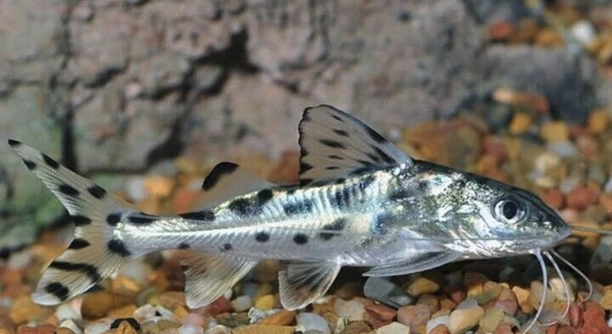
Many people enjoy keeping Pictus catfish in their aquariums for their lively behavior and unique appearance. Knowing how to spot a healthy and happy Pictus catfish is important for their care. This article will help you understand what to look for in these fish.
A healthy and happy Pictus catfish shows clear eyes, smooth scales, active swimming, good appetite, normal breathing, clean fins, and social behavior. These signs indicate proper health and well-being in their aquatic environment.
Recognizing these signs early helps you maintain the best care for your fish and ensures they thrive in your aquarium.
Clear Eyes and Smooth Scales
One of the first signs that a Pictus catfish is healthy and happy is its eyes. Clear, bright eyes show that the fish is free from infection or stress. Cloudy or swollen eyes can mean illness or poor water conditions. Along with eyes, smooth and intact scales are essential. Scales should lie flat against the body without any missing patches or visible damage. Rough or raised scales might indicate skin problems or parasites. Checking these features regularly helps you spot issues before they worsen. A Pictus catfish with clear eyes and smooth scales will often swim actively and respond to feeding times. These are subtle signs that the fish is comfortable in its environment. Maintaining clean water and stable tank conditions supports healthy skin and eye condition.
Clear eyes and smooth scales are simple, visible indicators of good fish health and care.
Taking time to observe your catfish’s eyes and scales daily can make a big difference in preventing health problems. Regular maintenance of the tank, including water changes and filter cleaning, also helps keep these signs positive. When you notice bright eyes and smooth scales, it means your Pictus catfish is thriving and feels secure in its habitat.
Active Swimming and Good Appetite
Active swimming is a clear sign your Pictus catfish feels well. A healthy fish moves confidently around the tank, exploring its environment and interacting with other fish. It avoids hiding for long periods and shows curiosity by swimming in different areas. Lethargic or slow swimming may indicate stress or illness. Good appetite is another important sign. A Pictus catfish that eagerly eats at feeding times is likely in good health. Loss of appetite often signals a problem that needs attention. Feeding a balanced diet with appropriate food helps maintain energy and vitality. Both active swimming and a strong appetite show that your fish is getting what it needs to stay healthy and happy in your aquarium.
Normal Breathing and Clean Fins
Normal breathing in a Pictus catfish means steady, even gill movements without gasping at the surface. Rapid or labored breathing suggests stress or poor water quality.
Clean fins are free from tears, fraying, or discoloration. Damaged fins may indicate fin rot or injury, which require prompt care to avoid infection. Healthy fins are fully spread when swimming and help the fish maintain balance. Keeping the tank clean and stable supports both proper breathing and fin health. Regular water testing and partial water changes prevent problems that affect these vital signs.
If your catfish shows steady breathing and intact, clean fins, it reflects a well-maintained environment and good fish health.
Social Behavior
Pictus catfish enjoy the company of other fish and their own kind. They are social creatures that often swim in groups or show interest in tank mates. A fish that isolates itself or shows aggression could be stressed or sick. Social behavior indicates comfort and well-being in the aquarium. Watching how your catfish interacts can give clues about its health. When they move together and explore as a group, it shows they feel safe. Providing enough space and hiding spots helps encourage natural social interactions. This behavior is a key sign of a happy Pictus catfish and a well-balanced tank environment.
Responsive to Environment
A healthy Pictus catfish reacts quickly to changes in its surroundings. It moves away from sudden disturbances and approaches food when offered. This responsiveness shows alertness and good sensory function.
Lack of response or sluggish behavior can signal illness or poor tank conditions. Keeping the environment stable helps maintain this natural alertness.
Smooth Swimming Movements
Smooth, coordinated swimming is a strong sign of good health. A Pictus catfish should glide easily without awkward movements or wobbling. Swimming issues may indicate injury or swim bladder problems. Observing how your fish moves daily can help you spot early health concerns.
Bright and Even Coloration
Bright, even coloration without dull or faded patches signals a healthy catfish. Stress or illness often causes color changes. Consistent color means your fish is well cared for and comfortable in its habitat.
How often should I check on my Pictus catfish’s health?
It’s best to observe your Pictus catfish daily, even if only for a few minutes. Look for signs like clear eyes, smooth scales, and active swimming. Regular quick checks help catch problems early before they become serious. Also, keep an eye on their behavior during feeding times.
What is the ideal tank setup for a Pictus catfish?
Pictus catfish prefer tanks with plenty of space, at least 55 gallons for a small group. They like hiding spots created with plants, rocks, or driftwood. The water should be kept clean with a good filtration system. Temperature should be between 72°F and 79°F (22°C–26°C), and pH around 6.5 to 7.5. Maintaining these conditions supports their health and natural behavior.
Can Pictus catfish live with other fish?
Yes, Pictus catfish are generally peaceful but active fish that do well with other community species of similar size. Avoid very small fish that could be mistaken for food. They enjoy being in groups of their own kind, so having at least three is recommended to encourage social behavior and reduce stress.
What should I feed my Pictus catfish?
Pictus catfish are omnivores and need a balanced diet. High-quality sinking pellets or wafers designed for catfish work well. Supplement with live or frozen foods like bloodworms, brine shrimp, or daphnia. Occasional vegetable matter, such as blanched zucchini or cucumber, is also beneficial. Feed small amounts twice daily and remove uneaten food to keep water quality high.
How can I tell if my Pictus catfish is stressed?
Signs of stress include hiding more than usual, loss of appetite, rapid breathing, or clamped fins. Color may fade, and swimming can become erratic or sluggish. Stress often results from poor water quality, overcrowding, or aggressive tank mates. Regular water testing and tank maintenance are key to preventing stress.
What water parameters are important for Pictus catfish health?
Stable water parameters are critical. Ideal temperature ranges from 72°F to 79°F (22°C–26°C), pH between 6.5 and 7.5, and hardness from 5 to 15 dGH. Ammonia and nitrite levels must always be zero. Nitrate should be kept low with regular water changes. Fluctuations or poor water quality can cause illness.
How often should I do water changes for a Pictus catfish tank?
Weekly water changes of 20% to 30% are recommended to maintain water quality. This helps remove waste and toxins that accumulate over time. If the tank is heavily stocked, more frequent or larger water changes may be necessary. Always use dechlorinated water at the same temperature to avoid shocking your fish.
What diseases commonly affect Pictus catfish?
Common issues include fin rot, ich (white spot disease), and bacterial infections. These often result from poor water conditions or stress. Early signs include discoloration, frayed fins, white spots, or abnormal behavior. Quarantining new fish before adding them to the tank helps prevent disease spread.
How can I quarantine new fish before adding them to my tank?
Use a separate quarantine tank for at least two weeks. Observe the new fish closely for signs of illness or parasites. Treat any problems before introducing them to your main aquarium. This practice protects your existing fish and keeps the tank healthy.
Is it normal for Pictus catfish to hide a lot?
Pictus catfish do enjoy hiding spots and will rest in them during the day, especially if the tank is brightly lit. However, excessive hiding or staying motionless for long periods can indicate stress or illness. Ensuring the tank environment is calm and comfortable will reduce unnecessary hiding.
Taking good care of a Pictus catfish means paying close attention to its health and behavior. Watching for clear eyes, smooth scales, and active swimming can help you know if your fish is doing well. These simple signs tell you a lot about the fish’s condition without needing complicated tests. Keeping their environment clean and stable plays a big role in making sure they stay healthy. Regular water changes and proper tank maintenance help avoid many common health problems. It is important to be patient and consistent in caring for your catfish because they rely on you to create a safe and comfortable home.
Feeding your Pictus catfish a balanced diet is also very important. They eat a mix of foods, so providing sinking pellets along with live or frozen treats can keep them energetic and strong. Watching how much and how often they eat will let you know if something is wrong. If your catfish stops eating or acts differently, it may be a sign of stress or illness. Along with food, making sure their tank mates are peaceful and the tank size is suitable will help your catfish feel more secure. When these needs are met, your fish will show natural behaviors like swimming smoothly, socializing, and responding quickly to their environment.
In the end, a healthy and happy Pictus catfish comes from careful and regular care. Learning to recognize the signs of good health can give you confidence in your fishkeeping. By providing clean water, proper food, and a comfortable space, you create the best chance for your catfish to thrive. Paying attention to their needs and acting quickly if problems appear can prevent many issues. The reward is a lively, bright, and active fish that adds life to your aquarium. Taking the time to understand these signs and meet your catfish’s needs makes fishkeeping a more enjoyable and successful experience.

Hello,
If you enjoy the content that we create, please consider saying a "Thank You!" by leaving a tip.
Every little bit helps us continue crafting quality advice that supports the health, happiness, and well-being of pets around the world, for pets of all shapes, sizes, and species.
We really appreciate the kindness and support that you show us!