
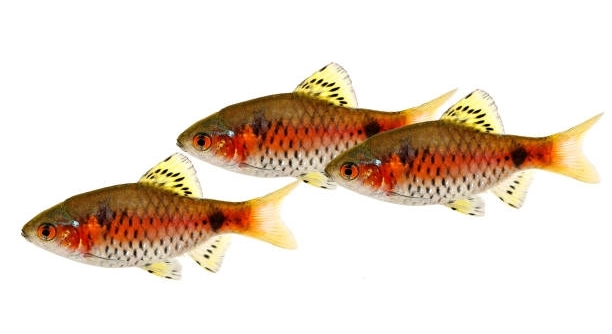
A rosy barb pair can brighten any aquarium with their lively movements and vibrant colors. Watching them swim together is rewarding for many fishkeepers. Recognizing their happiness helps maintain a healthy and balanced aquatic environment for these active fish.
Happy rosy barb pairs exhibit synchronized swimming, bright coloration, active feeding, peaceful interactions, regular breathing, healthy fins, and minimal stress behaviors. These signs indicate optimal well-being and proper care in their shared habitat.
Knowing these signs can improve your experience with rosy barbs. This guide will help you ensure their happiness and overall health.
Synchronized Swimming and Bright Colors
When rosy barbs swim together smoothly, it shows they are comfortable and happy in their tank. Their movements should be coordinated, with both fish gliding side by side or following each other closely. This behavior reflects strong social bonds and a sense of security. Bright coloration is another important sign. Healthy rosy barbs have vibrant reds, oranges, and pinks that stand out clearly against the tank’s background. Dull or faded colors may indicate stress, illness, or poor water quality. Keeping their environment clean and stable helps maintain these bright colors and encourages natural behavior. When their tank conditions meet their needs, rosy barbs display lively, energetic swimming and strong coloration, signaling they are thriving together.
Rosy barbs’ synchronized swimming and vivid colors reflect good health and a peaceful tank environment.
Maintaining stable water conditions and providing proper nutrition contribute to these visible signs of happiness. Proper lighting enhances their colors, and enough space supports their natural swimming patterns. Observing these behaviors is a reliable way to monitor their well-being over time.
Active Feeding and Peaceful Interactions
Active feeding shows rosy barbs’ confidence and comfort. They eagerly approach food without hesitation, indicating good health and reduced stress. Peaceful interactions are equally important. Happy rosy barbs coexist calmly with tank mates, avoiding aggression or excessive hiding. This harmony promotes a balanced community tank.
Feeding time is a clear moment to assess your rosy barbs’ mood.
Ensuring a varied diet with quality flakes, pellets, and occasional live or frozen foods helps maintain their energy and health. Overfeeding should be avoided to prevent water quality issues. Watching how they share food can reveal the social dynamics in the tank. If barbs chase or nip each other, this may suggest overcrowding or stress. Keeping the tank spacious and well-decorated with plants or hiding spots reduces tension. Peaceful behavior combined with enthusiastic feeding signals a well-adjusted pair thriving in their environment. Recognizing these habits allows timely adjustments to care, supporting their continued happiness.
Regular Breathing and Healthy Fins
Regular breathing in rosy barbs means their gill movements are steady and calm. Rapid or labored breathing may indicate poor water quality or illness. Monitoring their breathing rate helps catch problems early and ensures a healthy tank environment.
Healthy fins are clear, fully extended, and free from tears or spots. Damaged fins can be a sign of stress or infection and should be addressed quickly. Clean water, proper nutrition, and a peaceful tank help maintain fin health. Rosy barbs with intact, vibrant fins are more likely to swim actively and interact well with their tank mates.
Observing both breathing and fin condition regularly helps maintain their overall well-being. Proper tank maintenance and balanced care minimize risks of disease or stress-related fin damage.
Minimal Stress Behaviors
Minimal stress behaviors mean rosy barbs do not frequently hide, flash, or act erratically. These signs often point to discomfort or illness and need attention. Calm, steady behavior indicates a stable environment.
Stress in rosy barbs can come from overcrowding, poor water conditions, or aggressive tank mates. Providing ample space and hiding places reduces anxiety. Regular water testing and timely maintenance keep the environment clean and stable. Avoid sudden changes in light or temperature. A calm tank encourages natural behavior, making rosy barbs more vibrant and active. When stress signs are low, your fish are more likely to live longer and healthier lives. Keeping track of their behavior is essential for early detection of issues.
Peaceful Coexistence
Peaceful coexistence means rosy barbs live calmly with other fish. They avoid chasing or nipping tank mates, showing they feel secure. Aggressive behavior usually signals stress or overcrowding.
Ensuring enough space and hiding spots reduces tension. A balanced community tank supports the well-being of all fish, including rosy barbs.
Bright Eyes and Clear Scales
Bright, clear eyes and smooth, shiny scales are good indicators of a happy rosy barb. Dull eyes or damaged scales often signal illness or poor water conditions. Regular tank maintenance and a healthy diet keep these features in top shape.
Consistent Activity Levels
Rosy barbs maintain steady, lively movement throughout the day. Sudden lethargy or hiding can point to health problems or stress. Active fish reflect a well-maintained environment and good care.
Proper Tank Environment
A suitable tank includes clean water, appropriate temperature, and enough space for swimming. Meeting these needs is essential for rosy barbs’ happiness and health.
FAQ
How often should I feed my rosy barb pair?
Feeding rosy barbs once or twice a day is ideal. Provide only what they can eat within a few minutes to avoid leftover food that pollutes the tank. A balanced diet with flakes, pellets, and occasional live or frozen food supports their health and vibrant colors. Overfeeding can cause water quality problems and stress.
What water conditions do rosy barbs prefer?
Rosy barbs thrive in water temperatures between 64°F and 72°F (18°C to 22°C) and a pH level around 6.5 to 7.5. Regular water changes keep ammonia and nitrate levels low, which is critical for their well-being. Stable, clean water prevents stress and illness.
Can rosy barbs live with other fish species?
Yes, rosy barbs are generally peaceful and can live with other non-aggressive fish of similar size. Avoid small, slow-moving fish that may be nipped. Good tank mates include danios, mollies, and some tetras. Make sure the tank is spacious enough for all inhabitants.
How can I tell if my rosy barbs are stressed?
Signs of stress include hiding frequently, flashing against tank decorations, rapid breathing, or aggressive behavior. Poor water quality, overcrowding, and sudden changes in environment often cause stress. Regular observation helps catch these signs early.
What is the best tank size for a pair of rosy barbs?
A minimum of 20 gallons is recommended for a pair. This size provides enough space for swimming and reduces territorial disputes. More space is better if you keep additional fish. Proper filtration and regular maintenance are essential to keep the water clean.
How often should I change the water?
Changing 20-25% of the water every week helps maintain good water quality. Frequent partial water changes remove toxins and replenish minerals. Avoid complete water changes, as they can shock the fish. Monitor water parameters to adjust the schedule as needed.
What should I do if one of my rosy barbs looks sick?
Isolate the sick fish in a quarantine tank to prevent spreading illness. Test water quality and ensure proper temperature. Consult a vet or fish specialist for treatment advice. Early detection and care improve the chances of recovery.
How do I encourage natural behavior in rosy barbs?
Provide a well-planted tank with open swimming areas and hiding spots. A varied diet and stable environment promote activity and social interaction. Avoid overcrowding and aggressive tank mates to reduce stress and allow natural schooling behavior.
Are rosy barbs easy to care for?
Yes, rosy barbs are considered hardy and suitable for beginner fishkeepers. They adapt well to different conditions but still require proper care, including clean water, balanced diet, and a peaceful tank environment.
Can rosy barbs breed in a home aquarium?
Yes, they can breed if conditions are right. Provide a separate breeding tank with fine-leaved plants or spawning mops. The female scatters eggs, which the male fertilizes. Remove adults after spawning to prevent egg predation. Proper care increases fry survival rates.
Final Thoughts
Keeping a happy pair of rosy barbs requires attention to several important signs. Observing their behavior daily can give clear clues about their well-being. Healthy rosy barbs swim together smoothly, display bright colors, and eat actively. When these signs are present, it usually means their environment is stable and meets their needs. Monitoring breathing, fin condition, and interactions with tank mates helps ensure they remain comfortable and stress-free. Consistent care makes a big difference in their health and happiness.
Water quality plays a major role in the overall condition of rosy barbs. Maintaining clean water with the right temperature and pH keeps fish healthy and active. Regular partial water changes and proper filtration prevent buildup of harmful substances. Avoiding overcrowding and aggressive fish reduces stress and promotes peaceful coexistence. Providing hiding spots and plants creates a natural feel and safe space for the fish. When the tank is well maintained, rosy barbs show fewer signs of illness and display more natural, lively behavior.
Feeding is another key factor to consider. A balanced diet that includes flakes, pellets, and occasional live or frozen foods supports their growth and bright colors. Feeding small amounts once or twice a day prevents leftover food that can degrade water quality. Watching how rosy barbs interact during feeding time can also reveal if they are comfortable and stress-free. Overall, keeping rosy barbs happy involves a combination of clean water, proper nutrition, and a peaceful environment. Attentive care helps ensure they live long, healthy lives and remain a vibrant part of the aquarium.

Hello,
If you enjoy the content that we create, please consider saying a "Thank You!" by leaving a tip.
Every little bit helps us continue crafting quality advice that supports the health, happiness, and well-being of pets around the world, for pets of all shapes, sizes, and species.
We really appreciate the kindness and support that you show us!