
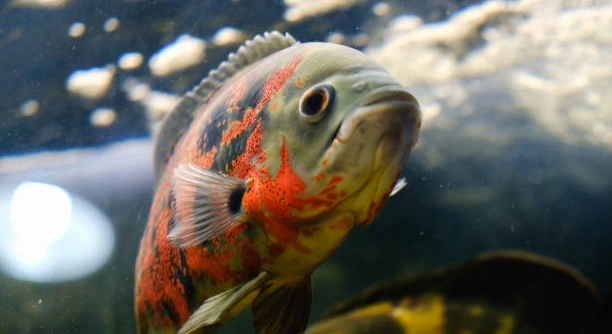
Oscar fish are known for their vibrant personalities and unique care needs. Understanding what makes them happy and healthy is crucial for ensuring they thrive in your aquarium. Here are seven signs to help you gauge their well-being.
A happy, healthy Oscar tank can be identified by clear water, active behavior, and good feeding habits. Regular water changes, appropriate tank size, and a balanced diet contribute to overall health. Oscars should also exhibit strong colors and a lack of illness symptoms.
Taking care of an Oscar fish means paying attention to the small details that contribute to their overall happiness. By focusing on water quality and tank conditions, you can ensure a long and thriving life for your Oscar.
Clear and Clean Water
Maintaining clean, clear water is one of the most important aspects of an Oscar’s health. Oscars are sensitive to poor water conditions, so regular water changes are essential. Aim for water changes of about 25% weekly to keep the tank fresh and free of toxins. Invest in a good filtration system, as it will help keep the water clear, removing harmful waste and chemicals. A stable water temperature, around 75°F to 80°F, is crucial for their comfort and health.
Oscars also require slightly acidic to neutral pH levels, typically between 6.5 and 7.5. The quality of water directly affects your Oscar’s mood and activity. If the water gets too dirty, Oscars may become stressed or even ill. Proper filtration and routine maintenance help prevent these issues, ensuring that your fish stays healthy.
By ensuring your tank has clean and balanced water, your Oscar will feel at ease. This will reduce stress and increase their overall happiness, making your Oscar more active and vibrant.
Active and Playful Behavior
Oscars are known for being playful and curious. They enjoy interacting with their environment and even seem to recognize their owners. A healthy Oscar tank will show an Oscar actively swimming, exploring, and even responding to movement outside the tank.
If your Oscar is frequently hiding or swimming listlessly, it could indicate stress or health issues. Oscars that are healthy will swim energetically and engage with their surroundings, including any decorations, plants, or even tankmates. They are also often seen following your finger along the glass, showing interest in their human caretakers.
Active behavior is a sign of an Oscar’s well-being. If your fish is moving around the tank, exploring, and reacting to you, it means they’re likely happy and healthy.
Healthy Appetite
A healthy Oscar will eat regularly and with enthusiasm. If your fish refuses food for several days, it could be a sign of stress or illness. Oscars typically enjoy a varied diet, including pellets, live food, and occasional frozen treats. Their appetite is usually consistent, and they eagerly consume their meals.
When your Oscar is happy and healthy, it will show a strong appetite. If it’s refusing food, look for signs of water quality issues, stress, or illness. Oscars also tend to have a good feeding schedule. They’ll eat at regular intervals, which is a positive sign.
It’s important not to overfeed your Oscar. Feeding them the right amount ensures they stay healthy without developing obesity or digestive issues. If the Oscar is eating well, it’s a good sign that your tank conditions and their health are in check.
Vibrant Coloration
An Oscar’s bright colors are a clear indication of its health. If your Oscar starts to lose its vividness or looks pale, it could signal stress, poor water quality, or illness. A healthy Oscar should have rich, vibrant colors with distinct patterns.
Oscars that are fed well and kept in a properly maintained tank will retain their vivid hues. The water quality, tank size, and diet all contribute to keeping your Oscar’s colors at their best. Oscars are known for their striking looks, which can be dull if they aren’t in ideal conditions.
Pay attention to any sudden fading of colors or discolored patches. If you notice these changes, check the water parameters and feeding habits. Oscars rely on stable environments to maintain their beautiful colors, and any shift could indicate something needs adjustment in their care routine.
Absence of Illness Symptoms
A healthy Oscar shows no signs of illness, such as unusual spots, lesions, or swelling. If you notice anything out of the ordinary, it could be an early warning of a health issue. Look for clear, smooth skin and fins that aren’t torn or ragged.
Oscars are usually quite resilient, but stress or poor care can lead to illness. It’s important to check their behavior regularly. Healthy Oscars swim around actively and don’t show signs of lethargy or abnormal behavior. Early detection of illness can prevent bigger issues.
Tank Size and Environment
The tank should be large enough to allow your Oscar to swim freely. A 55-gallon tank is a minimum for one adult Oscar, but bigger is always better. Oscars need space to thrive and avoid feeling cramped.
An overcrowded tank can stress your fish, leading to poor health. Along with the size, ensure the tank has proper filtration, hiding spots, and appropriate décor for them to explore. Oscars need a good environment to feel secure, and space is one of the main factors in their well-being.
Strong Activity Level
A happy Oscar is always on the move. It will swim around the tank, explore its surroundings, and react to changes in the environment. A healthy Oscar won’t stay in one place for too long and will show energy when interacting with its habitat.
Active Oscars often swim in patterns and may even follow you when you walk by. This behavior shows that your fish is engaged and comfortable in its tank. A lack of movement or constant hiding could signal an issue, so monitor for any unusual behavior.
FAQ
How often should I change the water in my Oscar tank?
Water changes are crucial for maintaining a healthy Oscar tank. Aim to change about 25% of the water every week. If the tank is heavily stocked or has a lot of waste buildup, you may need to change it more often. Regular water changes help keep toxins at bay and maintain the proper water parameters, like pH and temperature.
What is the ideal tank size for an Oscar?
The ideal tank size for one Oscar is a 55-gallon tank, but the bigger, the better. Oscars grow large and need plenty of space to swim comfortably. A cramped tank can cause stress, leading to health issues. If you plan on having more than one Oscar, you’ll need an even larger tank to prevent territorial aggression.
What temperature should the water be for an Oscar?
Oscars prefer warm water, with a temperature range between 75°F to 80°F (24°C to 27°C). Keeping the water within this range ensures that your fish remain active and healthy. Use a reliable aquarium heater to maintain a steady temperature. Sudden fluctuations can stress your Oscar and impact its immune system.
How can I tell if my Oscar is stressed?
Stressed Oscars often display unusual behavior like excessive hiding, swimming in circles, or staying in one corner of the tank. Their color may also fade, and they may stop eating. Stress can be caused by poor water quality, an overcrowded tank, or an incompatible tankmate. Monitor their behavior closely to identify any issues early.
What should I feed my Oscar fish?
Oscars are omnivores and benefit from a balanced diet of high-quality pellets, frozen food, and live food. Offer a variety to keep them healthy and engaged. Their diet should include protein-rich foods like earthworms, shrimp, and feeder fish. It’s important not to overfeed them, as this can lead to obesity or poor water quality.
Can I keep multiple Oscars together?
Yes, but you need a very large tank to keep multiple Oscars together. Oscars are territorial and can become aggressive with each other, especially in smaller tanks. A 100-gallon or larger tank is recommended for two Oscars, and they should be introduced to each other carefully to minimize aggression.
How long do Oscars live?
In the right conditions, Oscars can live for 10 to 15 years. This lifespan can be shortened if the tank is not maintained properly or if they are exposed to stress or disease. Providing a stable environment with clean water, a proper diet, and a good-sized tank will ensure that your Oscar lives a long, healthy life.
What are common health issues in Oscars?
Some common health problems in Oscars include ich (white spot disease), fin rot, and swim bladder disease. Ich causes white spots on the fish’s body, while fin rot leads to fraying fins due to bacterial infection. Swim bladder issues can cause your Oscar to have trouble swimming or float upside down. Monitoring water quality and keeping the tank clean will help reduce the risk of these issues.
Can Oscars live with other fish?
While Oscars can live with other fish, it’s important to choose tankmates carefully. They are known for being aggressive and can become territorial. Large, hardy fish that can defend themselves are the best choice. Avoid smaller fish, as Oscars may see them as food. Good tankmates include larger cichlids, catfish, or plecos.
Do Oscars need a filter?
Yes, Oscars require a good filtration system. They produce a lot of waste, which can quickly pollute the water. A strong filter is essential for maintaining water quality. Make sure the filter is rated for a tank larger than the size of your aquarium to ensure it can handle the bio-load.
How can I tell if my Oscar is healthy?
A healthy Oscar will have vibrant colors, clear eyes, and smooth skin. It will swim actively around the tank and eat regularly. A lack of appetite, faded colors, or unusual swimming behavior can signal health problems. Regularly check the water quality and monitor the Oscar for any signs of distress.
Is it necessary to have tank decorations for an Oscar?
Tank decorations are not essential, but they do provide enrichment for your Oscar. They enjoy having hiding spots, plants, or rocks to explore. However, be mindful of the tank size and avoid overcrowding the space. Ensure that any decorations don’t have sharp edges, as they can injure your Oscar.
Why does my Oscar hide all the time?
If your Oscar is hiding constantly, it could be due to stress, poor water quality, or a problem with the tankmates. Oscars are generally active, but if they feel threatened or uncomfortable, they may retreat to a safe spot. Check the water parameters, remove any aggressive tankmates, and ensure the tank is large enough.
What is the best way to acclimate an Oscar to a new tank?
When introducing a new Oscar to a tank, acclimate it slowly by floating the bag with the fish in the tank for 15-20 minutes. This helps adjust the temperature. After that, slowly add small amounts of tank water to the bag to help the fish adjust to the water chemistry. Once the fish seems comfortable, release it gently into the tank.
How do I prevent my Oscar from becoming sick?
To prevent illness, maintain good water quality with regular water changes and proper filtration. Avoid overcrowding the tank, and don’t overfeed your Oscar. Keep the tank temperature stable and ensure the fish isn’t exposed to stress. Regularly check your Oscar for signs of illness to catch problems early.
Final Thoughts
Caring for an Oscar fish involves paying attention to several key factors to ensure they live a long and healthy life. Water quality, tank size, and a proper diet are essential components of their care. Keeping the tank clean, with regular water changes, helps maintain a stable environment for your fish. Oscars are large, active fish that need enough space to swim comfortably, so it’s crucial to provide them with a tank large enough to meet their needs. A 55-gallon tank is often recommended for a single Oscar, with larger tanks being better for multiple fish or more active individuals.
Their diet should be well-balanced and varied, offering a mix of pellets, frozen, and live foods. Overfeeding can cause issues like obesity and poor water quality, so feeding in moderation is key. Oscars also need regular monitoring for any signs of illness or stress. If your Oscar starts to display unusual behavior like hiding, losing its appetite, or showing changes in coloration, it could indicate health issues. Early detection of problems is important in addressing any issues before they become serious. Keeping an eye on their physical appearance, energy levels, and overall behavior helps you spot potential concerns.
While Oscars are relatively hardy, they thrive best in a stable, well-maintained tank. Keeping an eye on factors like water temperature, pH, and tankmates ensures a happy environment for your Oscar. Creating a balanced setup with plenty of swimming space, hiding spots, and proper filtration will keep your Oscar comfortable and reduce stress. Overall, when provided with the right care, Oscars can be an enjoyable and long-lived addition to your aquarium. Taking the time to meet their needs results in a healthier fish and a more rewarding experience as an aquarium keeper.

Hello,
If you enjoy the content that we create, please consider saying a "Thank You!" by leaving a tip.
Every little bit helps us continue crafting quality advice that supports the health, happiness, and well-being of pets around the world, for pets of all shapes, sizes, and species.
We really appreciate the kindness and support that you show us!