
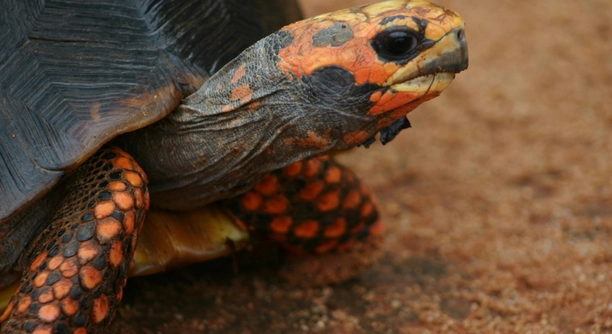
Red-footed tortoises are fascinating pets that require special attention to stay healthy and happy. Knowing the signs of a well-cared-for tortoise can help ensure its well-being and longevity. Here are seven key indicators to watch for.
A healthy red-footed tortoise will show consistent behavior and physical signs of well-being. These signs include active movement, a balanced diet, bright eyes, proper shell condition, good hydration, social interaction, and overall alertness, all contributing to its happiness.
Observing these signs can help ensure your tortoise remains content and thriving.
Active Behavior and Exploration
A healthy red-footed tortoise is curious and active, spending much of its time exploring its environment. This behavior is crucial for its physical and mental well-being. When your tortoise is active, it’s a sign that it feels secure in its habitat. Red-footed tortoises naturally roam and forage, looking for food, shelter, and places to hide. An active tortoise shows it has enough space to move around and engage in normal behaviors. Lack of movement or excessive sleeping may indicate discomfort or health issues, such as dehydration, shell problems, or even stress.
If you notice your tortoise is more sluggish than usual, it may be a signal that something is wrong. It’s important to observe whether the tortoise becomes more active after it has warmed up under its heat source. A decrease in overall activity or persistent lethargy should be addressed by adjusting its care routine or consulting a vet.
A healthy tortoise enjoys its natural instinct to wander and explore. This behavior is essential to its happiness and overall health.
Bright, Clear Eyes
Clear, bright eyes are another indicator that your red-footed tortoise is in good health. Healthy eyes show no discharge, cloudiness, or swelling. Any changes in appearance may suggest a health concern.
If a tortoise’s eyes appear cloudy or there is discharge, it could be a sign of an eye infection or dehydration. Ensure its habitat is moist enough, as dry environments can lead to eye issues. Proper humidity and clean living spaces are essential to prevent infections.
Healthy Shell Condition
The shell is a key indicator of your red-footed tortoise’s health. It should be smooth, shiny, and free of cracks or soft spots. Regularly checking its shell can help you spot early signs of issues like shell rot or malnutrition. A healthy shell reflects the overall well-being of the tortoise.
If your tortoise’s shell appears discolored or has soft, mushy spots, it could be a sign of fungal or bacterial infection. Inadequate calcium intake or poor lighting can also contribute to shell problems. Providing proper UVB lighting and a balanced diet with calcium supplements will help maintain its shell’s health. Ensure your tortoise has access to a clean, dry space to prevent shell infections.
A healthy, strong shell supports your tortoise’s protection and movement. Any noticeable issues should be addressed promptly to prevent further complications.
Proper Diet and Hydration
A well-balanced diet is essential for your red-footed tortoise’s health. It should consist of leafy greens, vegetables, and occasional fruits, with an emphasis on fiber. Proper hydration is equally important to ensure the tortoise’s digestive system functions properly. Regular access to fresh water will keep your tortoise hydrated and support its overall health.
Feeding your tortoise the right variety of foods will encourage healthy growth and vitality. Avoid offering too many sugary or high-protein foods, as these can lead to health issues like obesity or shell deformities. A diet rich in calcium and low in phosphorus is crucial for strong bones and shell development.
Proper nutrition helps maintain a tortoise’s energy levels and supports its immune system. Keeping the diet balanced and providing fresh water consistently will promote a healthy, happy tortoise.
Social Interaction
A healthy red-footed tortoise enjoys interaction with its environment and occasionally with its keeper. While they are solitary creatures, they benefit from gentle, respectful handling. Regular social interaction helps build trust and can reduce stress. Be mindful not to overwhelm them with too much contact.
Tortoises that are left alone in a suitable, enriching environment will thrive. Minimal but consistent interaction is enough to help maintain their well-being. Avoid overexposure or handling that causes them distress. Over time, your tortoise will become more comfortable with your presence, showing signs of trust and security.
Proper Habitat
Providing a suitable habitat is crucial for a red-footed tortoise’s happiness. Their enclosure should offer space to move around, areas to hide, and access to both heat and humidity. Ensure they have a proper basking area with appropriate temperature and a cool space for resting.
A comfortable environment encourages natural behaviors like exploration and foraging. If the habitat is too small or lacks proper conditions, your tortoise may feel stressed or become ill. Regularly monitor temperature and humidity levels to make sure they are within the proper range for your tortoise’s species. A well-maintained habitat supports overall health and longevity.
Healthy Skin and Body
A healthy tortoise will have firm, smooth skin and a well-maintained body. Look for clear, undamaged skin with no swelling or lesions. Tortoises with healthy skin will also show signs of good hydration, such as soft, pliable skin around the neck and legs.
Changes in skin texture, such as dryness or cracks, can indicate dehydration or an underlying health problem. Be sure to provide a proper diet with plenty of moisture-rich vegetables and maintain an appropriate humidity level in the habitat. Regular soaking also helps prevent dehydration.
FAQ
How can I tell if my red-footed tortoise is dehydrated?
Signs of dehydration in a red-footed tortoise include dry, cracked skin, sunken eyes, and a lack of appetite. You might also notice the tortoise becoming more lethargic than usual. To prevent dehydration, ensure your tortoise has constant access to fresh water and a humid environment. Regular soaking can also help keep them hydrated, especially during hotter months. If you suspect dehydration, increase the humidity levels in the enclosure and provide more opportunities for your tortoise to drink water.
What is the ideal temperature for a red-footed tortoise?
Red-footed tortoises need a temperature gradient in their enclosure, with a basking area reaching 90-95°F (32-35°C). The cooler side of the habitat should be between 75-80°F (24-27°C). This temperature range allows your tortoise to regulate its body heat. Ensure that the basking spot is warm enough to allow the tortoise to digest food properly, while cooler areas let it cool off when necessary. A temperature drop below 70°F (21°C) should be avoided, as it could stress the tortoise and affect its immune system.
Can I feed my red-footed tortoise fruits?
Yes, fruits can be fed to red-footed tortoises, but they should be given in moderation. Fruits are high in sugar, and too much can lead to obesity or health issues. Some fruits like papaya, mango, and berries are great occasional treats. Make sure to balance the diet with leafy greens, vegetables, and high-fiber foods. Providing a variety of foods will ensure a healthy diet, but fruits should only make up a small portion of their intake.
How often should I feed my red-footed tortoise?
Red-footed tortoises typically need to be fed every day. Offer them a mix of leafy greens, vegetables, and occasional fruits. The amount of food can vary based on the tortoise’s size and age. Younger tortoises may require more frequent meals, while adults can be fed once a day or every other day, depending on their size. Overfeeding can lead to obesity, so ensure you’re offering appropriate portions and avoid leaving uneaten food in the enclosure for too long.
Can red-footed tortoises eat protein?
While red-footed tortoises are primarily herbivores, they can consume small amounts of protein. This might include insects, eggs, or snails. However, protein should be offered sparingly, as it can upset the balance of their diet. A primarily plant-based diet with occasional protein is sufficient for their growth and health. Avoid overfeeding protein to prevent kidney problems or shell deformities.
Do red-footed tortoises need UVB light?
Yes, UVB light is essential for red-footed tortoises, as it helps them produce vitamin D3, which is necessary for calcium absorption. Without adequate UVB light, tortoises can suffer from metabolic bone disease. Make sure to provide UVB lighting for about 10-12 hours a day. A UVB bulb should be replaced every 6-12 months, depending on the manufacturer’s recommendations, as the effectiveness decreases over time. Ensure that the light is positioned close enough to the tortoise to be effective but not too close to cause overheating.
How can I tell if my red-footed tortoise is sick?
Sick red-footed tortoises may show a variety of signs, such as lethargy, loss of appetite, excessive hiding, or abnormal behavior. You may notice respiratory issues like wheezing or a runny nose. A healthy tortoise should be active, curious, and alert. If your tortoise shows these signs, it’s important to consult a reptile veterinarian. Early diagnosis and treatment can prevent serious health problems and improve your tortoise’s chances of recovery.
Should I bathe my red-footed tortoise?
Yes, regular soaking is beneficial for red-footed tortoises. It helps with hydration and can aid in digestion. Soaking your tortoise in shallow, lukewarm water for about 15-20 minutes, a few times a week, can prevent dehydration and encourage healthy bowel movements. Be sure the water level is low enough to prevent drowning, and always supervise your tortoise during its bath. If your tortoise resists or shows signs of stress, limit the soaking time and frequency.
Can red-footed tortoises live together?
Red-footed tortoises can live together, but only under the right conditions. It’s best to house them in a large enough space with plenty of room for each tortoise to have its own territory. Male tortoises can become territorial, especially when there are females around, so it’s important to observe their behavior and separate them if aggression occurs. Female tortoises tend to be more tolerant of each other. Make sure to provide multiple hiding spots and basking areas to avoid conflicts over territory.
Final Thoughts
Caring for a red-footed tortoise involves understanding their unique needs and ensuring they have a healthy, comfortable environment. From maintaining the right temperature and humidity levels to offering a balanced diet, every aspect of their care is important for their well-being. A proper habitat with space to move, hiding spots, and access to clean water is essential for a thriving tortoise. Regular checks on their health and behavior, along with gentle interaction, help maintain a bond of trust. When these basic needs are met, a red-footed tortoise will be happy and healthy for years to come.
It is also important to remember that each tortoise is an individual. Some may have different preferences or needs, so paying attention to their behavior and adjusting care accordingly is key. For example, if a tortoise shows signs of stress or illness, it is essential to address it promptly by adjusting their environment or consulting a vet. Regularly providing a variety of foods, including leafy greens, vegetables, and occasional fruits, will support their digestive health and overall well-being. Additionally, controlling light and temperature conditions will ensure your tortoise is comfortable and can perform natural behaviors like basking and exploring.
In the end, owning a red-footed tortoise can be a rewarding experience, but it requires commitment and attention to detail. These tortoises are not just pets; they are living creatures with distinct needs that should be respected. With the right care and environment, they can live a long, happy life. Following the guidelines for diet, temperature, habitat, and health checks will help your tortoise thrive. Ensuring they feel secure, comfortable, and healthy is the best way to enjoy a positive relationship with your pet tortoise.

Hello,
If you enjoy the content that we create, please consider saying a "Thank You!" by leaving a tip.
Every little bit helps us continue crafting quality advice that supports the health, happiness, and well-being of pets around the world, for pets of all shapes, sizes, and species.
We really appreciate the kindness and support that you show us!