
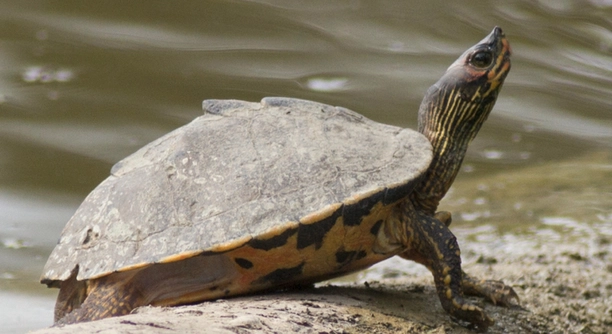
The Indian Roofed Tortoise is a fascinating pet that requires proper care to thrive. Observing your tortoise’s behavior and habits can help determine if it’s happy and healthy. These signs are vital for ensuring its well-being.
Healthy Indian Roofed Tortoises show certain behavioral and physical signs that indicate they are happy. These include active movement, proper eating habits, consistent basking, and clear, bright eyes. Monitoring these signs helps maintain their health.
Recognizing these signs will help ensure your tortoise lives a long, happy life.
Active and Engaged Behavior
An active tortoise is a healthy one. Indian Roofed Tortoises are naturally curious and will roam around their enclosures in search of food or exploration. If your tortoise is regularly moving, climbing, or interacting with its environment, it’s a sign it’s feeling good. A lethargic tortoise, on the other hand, might be unwell. Keeping an eye on its movement patterns can help detect any changes early.
A tortoise that is consistently active is showing signs of good health. It’s also important to monitor how much time it spends basking. Too much inactivity could indicate stress or a health issue that requires attention.
A healthy tortoise enjoys exploring its space and will often look for hiding spots, food, or other things to interact with. If your tortoise isn’t moving much or seems uninterested in its environment, something might be wrong. Make sure it has a variety of enrichment to keep it stimulated and active.
Healthy Appetite
Indian Roofed Tortoises should have a healthy appetite. They feed on a variety of vegetables, fruits, and some insects. A sudden loss of appetite could indicate stress, sickness, or improper environmental conditions.
These tortoises thrive on a well-balanced diet. Ensure the food provided is fresh, varied, and suitable for their needs. The tortoise will be more likely to eat regularly if it feels secure in its environment. Pay attention to any changes in its eating habits.
Regular eating and drinking ensure proper digestion and health. If the tortoise stops eating or drinking for an extended period, it’s time to investigate its care, such as habitat conditions and diet, to see if any adjustments are needed. Keeping food available but not overwhelming your tortoise with too many choices is key.
Bright, Clear Eyes
Your tortoise’s eyes should always appear bright and clear, without any discharge or swelling. Cloudy or sunken eyes are a sign of illness or dehydration. When a tortoise is healthy, its eyes will be bright, round, and open, allowing it to observe its surroundings with interest.
If you notice any changes in your tortoise’s eyes, take it seriously. A tortoise that seems to squint or rub its eyes may be suffering from an eye infection or an issue related to its environment, like poor humidity levels. Eye problems can worsen quickly if not addressed.
Dehydration can also cause eye problems, as the tortoise’s body struggles to maintain proper moisture levels. If the eyes appear dull or have a discharge, adjusting hydration levels and ensuring the correct humidity could solve the issue. Ensuring a clean environment with proper care helps keep your tortoise’s eyes in optimal condition.
Healthy Shell Condition
The shell is a clear indicator of a tortoise’s overall health. A healthy shell will be hard, smooth, and free from cracks or lesions. Any soft or damaged areas should be closely monitored, as they can be signs of illness or injury.
Regularly check for signs of shell rot, which could appear as discolored or soft patches on the shell. This can occur due to humidity issues, poor diet, or injury. It’s important to clean the shell gently, avoiding harsh chemicals that could cause damage. A healthy shell supports the tortoise’s well-being and acts as its protection.
If the shell starts to show irregularities, like softening or cracking, take immediate action to address the environment. Ensuring proper calcium intake and a balanced diet is crucial for shell health. Avoid sudden temperature changes in their habitat to prevent stress and shell issues.
Proper Basking
Tortoises need a warm, dry area where they can bask. A healthy tortoise will spend time under the heat source, absorbing warmth to help with digestion and overall well-being. If your tortoise isn’t basking, it may be a sign that the temperature is too low.
Basking is essential for regulating body temperature. Without it, your tortoise may become sluggish or stop eating. Be sure the basking area is set at the proper temperature, with a gradient that allows your tortoise to move to cooler areas when needed.
Proper basking also helps your tortoise metabolize calcium and keep its shell healthy. Ensure the basking spot is clean, free from sharp objects, and has a light source to provide heat during the day.
Healthy Digestion
A tortoise with healthy digestion will pass normal stools regularly. The waste should be solid, dark, and easy to clean. If your tortoise has runny stools or constipation, it could be a sign of dietary or environmental issues.
Keep an eye on your tortoise’s bathroom habits. Inconsistent waste can signal dehydration or improper diet. A well-balanced diet, high in fiber, and a clean environment supports healthy digestion. A sudden change in stool appearance could be due to stress, illness, or infection.
Proper hydration is also crucial. If your tortoise isn’t drinking enough water, it can lead to digestive issues. Ensure access to clean water at all times and monitor its eating habits to avoid any imbalances. Regular vet checks can also help catch digestive problems early.
Good Social Interaction
Indian Roofed Tortoises are not as social as some pets, but they still benefit from regular interaction with their owners. Healthy tortoises will show interest when approached and may even respond to gentle handling. A lack of response could indicate stress or discomfort.
Ensure your tortoise has a secure, calm environment where it can feel safe. Regular, gentle handling can help build trust. However, avoid overstimulating your tortoise, as too much attention can lead to stress.
FAQ
How can I tell if my Indian Roofed Tortoise is stressed?
Stress in tortoises can manifest in several ways. If your tortoise is hiding more than usual, has a loss of appetite, or shows signs of aggression, it may be stressed. Other indicators include excessive scratching at the walls of its enclosure or not basking as much. Stress can be caused by environmental changes, like temperature fluctuations, improper humidity, or too much handling. To reduce stress, ensure a stable habitat with proper heating, lighting, and a quiet environment. Regular, gentle interaction can also help your tortoise feel more secure.
What should I do if my tortoise isn’t eating?
If your tortoise isn’t eating, first check its environment. Ensure that the temperature and humidity levels are ideal for your tortoise’s needs. Stress, illness, or changes in diet can also cause a lack of appetite. Try offering a variety of foods, including its favorite greens or fruits, to see if that stimulates its interest. A sudden lack of appetite can be a sign of illness, so if the behavior continues, consider consulting a veterinarian to rule out any health concerns.
How often should I feed my Indian Roofed Tortoise?
Indian Roofed Tortoises typically need to be fed every day. They are herbivores, and their diet should include a variety of leafy greens, vegetables, and some fruits. Offering fresh food daily will provide them with the necessary nutrients to thrive. Ensure that the food is high in fiber and low in oxalates to avoid health issues. The amount of food depends on the tortoise’s size and age, so adjust the portions as needed. It’s important to also provide fresh water every day.
Can my tortoise live outside?
Yes, Indian Roofed Tortoises can live outside if the climate is appropriate. They need a warm, secure outdoor enclosure where they can roam, bask, and explore. The enclosure should be escape-proof and large enough for them to move around comfortably. Ensure that there are areas for shade and shelter in case the weather gets too hot or rainy. Outdoor tortoises should also be monitored regularly for predators, such as birds of prey or other animals that may pose a threat.
What temperature should I keep my tortoise’s enclosure?
The ideal temperature for an Indian Roofed Tortoise’s enclosure should range between 80°F and 90°F (27°C to 32°C) during the day, with a basking spot that is slightly warmer, around 95°F to 100°F (35°C to 38°C). At night, the temperature can drop to around 70°F (21°C). This range allows the tortoise to regulate its body temperature. A heat lamp and a UVB light are essential for maintaining these temperatures and ensuring your tortoise receives the necessary ultraviolet light for calcium absorption and overall health.
What should I do if my tortoise has a soft shell?
A soft shell is often a sign of calcium deficiency or improper lighting. Indian Roofed Tortoises require UVB light to metabolize calcium from their food and to maintain a strong shell. Make sure your tortoise has access to adequate UVB lighting for 10 to 12 hours a day. You may also need to supplement its diet with calcium powder or provide foods rich in calcium. If the condition persists, it’s important to consult a veterinarian, as this could indicate more serious health issues.
How can I tell if my tortoise is dehydrated?
Signs of dehydration in a tortoise include sunken eyes, lethargy, dry skin, and difficulty moving. Dehydration can occur if the tortoise doesn’t have access to enough water or if the humidity in its environment is too low. To keep your tortoise hydrated, ensure there is always fresh water available. You can also soak your tortoise in shallow lukewarm water for about 20 minutes to encourage it to drink and rehydrate. If dehydration continues, visit a veterinarian for advice.
Is it normal for my tortoise to sleep a lot?
Yes, it’s normal for tortoises to sleep, especially at night or during cooler parts of the day. However, if your tortoise seems to be sleeping excessively or becomes more lethargic than usual, it could indicate an underlying health issue or an improper temperature in the enclosure. Make sure the enclosure temperature is correct and the tortoise has access to enough food and water. If the behavior continues, consult a veterinarian to rule out illness or other concerns.
Can I handle my tortoise often?
Handling your tortoise should be done gently and sparingly. While tortoises are not as social as some other pets, they can tolerate light interaction. However, too much handling can cause stress. Always support its body properly and avoid picking it up by the legs or shell. Ensure that your tortoise’s environment is stress-free and allow it time to roam and explore its enclosure. Excessive handling can negatively impact its well-being.
What is the best way to clean my tortoise’s enclosure?
To clean your tortoise’s enclosure, remove any uneaten food, waste, and bedding regularly. Once a week, disinfect the entire enclosure using a reptile-safe cleaner. Be sure to rinse the enclosure thoroughly and allow it to dry before placing your tortoise back inside. Keep the water dish clean and replace the water daily. If you use substrate, such as soil or sand, change it periodically to maintain cleanliness and reduce the risk of bacterial growth. Regular cleaning prevents infections and keeps your tortoise comfortable.
Final Thoughts
Caring for an Indian Roofed Tortoise involves understanding its specific needs. A suitable environment, proper diet, and regular health checks are all key to ensuring your tortoise stays happy and healthy. By providing the right conditions for warmth, lighting, and humidity, you can help your tortoise live a long and fulfilling life. A stable routine and careful monitoring of its behavior can prevent common health issues and stress, ensuring your tortoise thrives in its home.
The Indian Roofed Tortoise is a resilient and hardy species, but like all pets, it requires attention to detail. From proper nutrition to a clean and secure habitat, each aspect of care plays a crucial role in your tortoise’s well-being. Keeping your tortoise active with environmental enrichment, such as hiding places or a variety of food, will help prevent boredom and encourage natural behaviors. It’s essential to remember that these tortoises are not simply ornamental pets—they need thoughtful care to live a healthy, active life.
Finally, staying informed and adjusting care as your tortoise ages is important. Younger tortoises may have different needs than older ones, such as increased food intake or different temperature requirements. As your tortoise matures, keep an eye on its health, and don’t hesitate to consult a vet if you notice any changes in behavior or physical condition. With patience and care, you can provide your Indian Roofed Tortoise with a comfortable, stress-free environment where it can live out its full lifespan.

Hello,
If you enjoy the content that we create, please consider saying a "Thank You!" by leaving a tip.
Every little bit helps us continue crafting quality advice that supports the health, happiness, and well-being of pets around the world, for pets of all shapes, sizes, and species.
We really appreciate the kindness and support that you show us!