
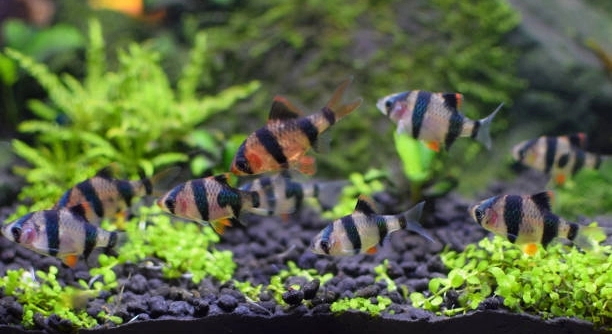
Tiger barbs are lively fish that bring energy to any aquarium. Recognizing their behavior helps ensure they stay healthy and comfortable in their environment. Watching for signs of happiness can improve your care routine.
Happy and active tiger barbs exhibit vibrant colors, consistent swimming patterns, and regular feeding behavior. They interact with their environment and tank mates without signs of stress or lethargy, indicating good health and well-being.
Knowing these signs will help you maintain a thriving tank and keep your tiger barbs lively and content over time.
Bright and Vibrant Colors
One clear sign of a happy tiger barb is its bright and vibrant coloration. When these fish are healthy and content, their orange, black, and gold stripes appear bold and well-defined. Dull or faded colors often indicate stress or illness. Color changes can happen for several reasons, such as water quality issues, poor diet, or bullying by other fish. Keeping the tank clean and feeding a balanced diet with quality flakes, pellets, and occasional live or frozen foods will support their natural colors. Also, tiger barbs tend to show better colors when they are in groups of at least six, as they feel safer and more secure among their kind. Watching your tiger barbs regularly helps you notice when their colors start to lose brightness, which is a prompt to check tank conditions or feeding habits. Maintaining these vibrant colors means your fish are in a good environment and feeling well.
Bright colors in tiger barbs signal health and happiness, making them a joy to watch and care for in your aquarium.
Consistently observing your fish helps catch early signs of trouble. Proper lighting and a stable environment contribute to maintaining their vivid appearance. This visual cue is an easy way to monitor their well-being without complicated testing.
Active Swimming Patterns
Active swimming is a strong indicator that tiger barbs are happy and healthy. These fish love to explore their surroundings and swim in groups, often darting quickly and playfully throughout the tank. They do not stay hidden or remain still for long periods. When swimming actively, tiger barbs show alertness and curiosity, which means they feel secure in their environment. A lack of movement or slow swimming can point to stress, illness, or poor water quality. To encourage active swimming, it is important to provide a spacious tank with plenty of plants and hiding spots. This allows the fish to explore while feeling safe. Feeding at regular intervals with nutritious food also supports their energy levels. Keeping a proper tank temperature and good filtration ensures your tiger barbs have a comfortable home where they can thrive and swim freely.
Active swimming helps tiger barbs maintain good health, promotes natural behavior, and enhances their social interaction within the tank. Ensuring the right conditions keeps them lively and energetic.
Regular Feeding Behavior
Tiger barbs that eat regularly are usually happy and healthy. They show interest in food and come quickly when it’s feeding time. Refusing food or eating very little can be a warning sign of health issues or stress.
Feeding tiger barbs a varied diet helps keep them energetic and colorful. They enjoy flakes, pellets, and occasional live or frozen foods like bloodworms or brine shrimp. Feeding small amounts two to three times a day prevents overfeeding and maintains water quality. Healthy tiger barbs often show excitement around feeding time, swimming eagerly toward the surface. This behavior is a good way to tell if they feel secure and comfortable in their tank environment.
Sometimes, a sudden change in feeding habits can point to illness or tank conditions needing attention. Watch for changes and adjust diet or environment as needed to keep your tiger barbs happy and thriving.
Interaction with Tank Mates
Tiger barbs are social fish that often interact well with other species. They tend to be active and playful, but sometimes show mild aggression, especially if kept alone or in small groups.
To reduce stress and aggression, keeping tiger barbs in groups of six or more is best. This helps spread out any chasing behavior and encourages natural schooling. Proper tank size and hiding spots also reduce conflicts. When balanced correctly, tiger barbs form a lively community, showing playful chasing and swimming together without constant fighting. Choosing compatible tank mates like peaceful tetras or rasboras supports a harmonious environment. Watching how they behave with others provides insight into their overall happiness and social health.
Playful Behavior
Tiger barbs that are happy often engage in playful activities. They chase each other gently and explore their environment without fear. Playful swimming helps them stay active and social within the tank, showing they feel safe and comfortable.
When stressed or sick, tiger barbs lose this playful nature. They may hide or stay still, avoiding interaction. A lack of play signals that something may be wrong with the environment or their health. Monitoring this behavior regularly helps catch problems early.
Clear Eyes
Clear, bright eyes are a sign of a healthy tiger barb. Cloudy or swollen eyes can indicate illness or poor water quality. Healthy eyes show your fish are free from infection and stress.
Checking your tiger barbs’ eyes is a simple way to assess their well-being. Keep water clean and stable to maintain eye health and overall vitality.
Resting Spots
Tiger barbs need calm spots in the tank to rest and feel secure. They often pause near plants or decorations during these breaks.
Providing enough hiding places supports their natural need to rest. This balance of activity and rest keeps them healthy and happy.
What do tiger barbs eat to stay healthy and active?
Tiger barbs thrive on a varied diet that includes high-quality flakes or pellets designed for tropical fish. Adding live or frozen foods like bloodworms, brine shrimp, or daphnia boosts their nutrition and encourages natural hunting behavior. Feeding small portions two to three times daily prevents overfeeding and keeps the water clean. Fresh vegetables like blanched spinach or peas can also be offered occasionally for added vitamins and fiber. A balanced diet supports vibrant colors, strong immune systems, and active swimming.
How many tiger barbs should I keep together?
Keeping tiger barbs in groups of at least six is recommended. They are schooling fish and feel safer in numbers, which reduces aggressive behavior. Smaller groups may lead to stress or increased chasing, harming less dominant fish. A larger group spreads out any aggression and promotes natural social interaction. Providing a proper tank size, at least 20 gallons for six or more barbs, helps maintain good water quality and enough space for active swimming.
What water conditions are ideal for tiger barbs?
Tiger barbs prefer slightly acidic to neutral water, with a pH between 6.5 and 7.5. The temperature should stay between 74°F and 79°F (23°C–26°C). Regular water changes, about 25% weekly, keep ammonia and nitrate levels low. Good filtration and aeration are essential to maintain oxygen levels and prevent stress. Avoid sudden changes in water chemistry, as tiger barbs are sensitive to rapid shifts. Monitoring water quality regularly helps keep your fish healthy and active.
Why do tiger barbs nip other fish?
Nipping is common because tiger barbs are naturally energetic and a bit aggressive. They chase and nip fins as a way to establish dominance or play. This behavior is less likely when kept in groups of six or more, as attention is divided. Providing plenty of hiding spots and tank decorations also reduces stress and aggression. Choosing tank mates that are fast and not easily stressed, like danios or larger tetras, helps prevent injuries caused by nipping.
How often should I clean my tiger barb tank?
A regular cleaning routine is vital for keeping tiger barbs healthy. Partial water changes of about 25% every week help remove waste and toxins. Clean the substrate with a gravel vacuum and rinse filter media with tank water to avoid killing beneficial bacteria. Over-cleaning or using harsh chemicals can disturb the tank’s balance. A clean tank supports clear water, stable conditions, and reduces stress on your fish.
What signs indicate a sick tiger barb?
Common signs include faded colors, clamped fins, sluggish movement, loss of appetite, and hiding more than usual. Cloudy eyes or white spots can signal infections or parasites. Rapid breathing or gasping at the surface also points to poor water quality or illness. Early detection is crucial; testing water parameters and isolating affected fish helps prevent disease spread and improves chances of recovery.
Can tiger barbs live with other fish species?
Yes, tiger barbs can coexist with other species if tank mates are chosen carefully. Avoid slow-moving, long-finned fish like angelfish or bettas, as they are often targets of fin nipping. Suitable companions include fast and peaceful fish like danios, rasboras, or other barbs. Maintaining a well-planted tank with hiding places allows all species to feel secure. Proper group size and tank space also reduce aggression and promote harmony.
How long do tiger barbs usually live?
With good care, tiger barbs typically live 5 to 7 years. Factors like diet, water quality, tank size, and stress levels influence their lifespan. Regular maintenance, a balanced diet, and a stable environment help maximize their health and longevity. Watching for early signs of illness and acting promptly also improves their chances of living a full life.
Why do tiger barbs sometimes jump out of the tank?
Jumping is often caused by stress, poor water conditions, or sudden changes in the environment. A lack of hiding spots or aggressive tank mates can also trigger this behavior. Covering the tank with a secure lid helps prevent escapes. Ensuring stable water parameters, plenty of space, and a calm environment reduces the chances of jumping.
How can I encourage my tiger barbs to be more active?
Providing enough space and proper water conditions encourages natural activity. A well-planted tank with open swimming areas allows them to explore freely. Feeding varied foods and regular feeding schedules boost energy. Avoid overcrowding and aggressive tank mates to reduce stress. Consistent lighting that mimics their natural day-night cycle supports healthy behavior patterns.
Tiger barbs are lively fish that bring a lot of energy to an aquarium. Knowing the signs of a happy and active tiger barb helps ensure they stay healthy and comfortable in their environment. Watching for clear signs like bright colors, active swimming, regular feeding, and playful behavior gives a good indication of their well-being. When these signs are present, it means the fish are adapting well to their tank and the care they receive. This is important because healthy fish tend to live longer and show fewer signs of stress or illness.
Maintaining the right tank conditions plays a big role in keeping tiger barbs happy. Clean water with stable temperature and pH levels, enough space to swim, and a balanced diet all support their health. It’s also key to keep them in groups of six or more because they are social fish and feel safer when they have companions. Without enough company, they can become stressed or show aggressive behavior. Providing hiding spots and plants helps reduce stress and allows them to rest when needed. Taking these steps creates a comfortable and natural environment for your fish.
Regular observation is one of the best ways to care for your tiger barbs. By watching their behavior daily, you can quickly notice any changes that may indicate health problems. Simple checks like looking at their color, swimming patterns, and appetite can give valuable clues. Early action helps prevent illnesses from getting worse and keeps your tank balanced. Overall, paying attention to these details ensures your tiger barbs stay active, happy, and healthy for years to come.

Hello,
If you enjoy the content that we create, please consider saying a "Thank You!" by leaving a tip.
Every little bit helps us continue crafting quality advice that supports the health, happiness, and well-being of pets around the world, for pets of all shapes, sizes, and species.
We really appreciate the kindness and support that you show us!