
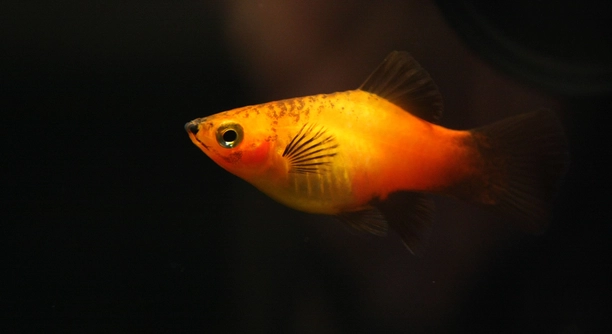
Are your platies swimming together, looking lively, and interacting with their surroundings every day in their tank? Watching them thrive can be one of the most rewarding parts of keeping a healthy aquarium.
A happy and active platy group typically shows signs like consistent swimming, frequent social behavior, bright colors, regular eating, and exploring their tank. These signs reflect good health, a balanced environment, and positive group dynamics.
Understanding these signs helps ensure your platies stay content, active, and well cared for in their freshwater home.
Sign 1: Active Swimming Throughout the Day
Healthy platies are often in motion. If your group is swimming across the tank regularly, it’s a strong sign they are healthy and content. They may move together or go off on their own, but their swimming should look smooth and purposeful. Slow or sluggish movement can mean something is off. Tank conditions, water quality, and temperature all play a role in their behavior. A clean environment with stable levels helps keep them energized. Consistent movement is especially noticeable in the morning and evening when they are most active. Watch for interactions during feeding time and how quickly they explore the tank after lights go on. Regular activity also helps with digestion and reduces stress. If your platies swim with confidence and curiosity, that’s one of the easiest ways to tell they’re doing well in their setup. Healthy platies use the space available and rarely hide unless they are resting.
Active swimming also encourages other platies to stay engaged and alert.
Pay attention to sudden changes in swimming patterns. If one platy isolates itself or stops moving much, it’s worth checking the water parameters or looking for signs of illness. Otherwise, natural swimming is a key sign of group health.
Sign 2: Social Behavior and Interaction
Platies are social fish and need to interact with others.
A happy platy group often shows gentle chasing, close swimming, and regular interaction with each other. These social actions are normal and reflect comfort within the group. If they’re active around each other and not displaying aggression, it usually means their social balance is stable. Keep in mind, males may sometimes chase females, but this should not look stressful or constant. Having more females than males helps with this. Platies should not spend long periods hiding or separating from the rest of the group. A good mix of hiding spots and open areas allows them to choose their comfort level while still staying involved. Social interaction also strengthens their overall confidence in the tank. If your fish seem calm yet active around one another, that’s a solid sign they feel safe. Social bonding helps reduce stress and encourages natural behaviors. Always observe how new fish integrate before assuming the group is settled.
Sign 3: Bright and Vibrant Coloring
Platies with strong, vivid colors are often in good health. Dull or faded coloring can signal stress or poor water conditions. Look for consistent brightness in their scales, especially when they’re active or near light. Healthy fish tend to show their best coloring throughout the day.
Bright coloring is a result of proper diet, clean water, and low stress levels. High-quality flakes or pellets, along with occasional treats like bloodworms or blanched vegetables, help maintain color. Stable water temperatures and good filtration prevent environmental stress, which can cause fading. If one or more platies start to lose color or develop pale patches, it may be time to check the tank’s ammonia, nitrite, and nitrate levels. Lighting also plays a role—good lighting helps bring out natural tones, especially in reds, oranges, and yellows. A lively, colorful group often reflects a well-balanced tank and proper care.
Color can change slightly as platies age, but any sudden shifts are worth monitoring. If a typically bold-colored fish starts looking gray or washed out, it could be reacting to illness, water imbalance, or bullying. Consistency in color across days and weeks is a better indicator than short-term brightness. Always pair visual cues with behavior to assess overall wellness.
Sign 4: Eagerness to Eat
A healthy platy group responds quickly when food is introduced. They come to the surface or swim actively toward the area where you usually feed them. A lack of interest in food is one of the earliest signs something may be wrong.
Platies are naturally curious and will often come to the front of the tank when they see you approach, especially if they associate you with feeding time. They should eat quickly and show excitement during meals. If some fish ignore the food or lag behind, check the water conditions and ensure they’re not being bullied or outcompeted. Overfeeding can also cause problems, so feed small portions once or twice a day, removing anything uneaten after a few minutes. A platy that skips a meal now and then isn’t always a concern, but consistent disinterest usually signals a deeper issue. Watch how they behave before and after eating as well.
Sign 5: Exploring Their Environment
Platies like to explore every area of the tank. You’ll often see them swimming through plants, checking decorations, or cruising along the glass. This shows they’re alert, comfortable, and stimulated by their surroundings.
If they stay hidden or hover near the surface for long, it may signal stress. Healthy platies explore regularly.
Sign 6: Smooth and Consistent Breathing
Healthy platies breathe at a steady pace, with gills moving calmly. Rapid breathing or gasping near the surface often points to water quality issues, like low oxygen or high ammonia levels. Clean, filtered water with good circulation helps maintain proper oxygen levels and supports consistent gill movement. Watch your fish during quiet times when they’re not eating or playing. Breathing should still be calm and regular. If one or more fish are breathing fast while others seem fine, isolate that fish and check for other signs of illness. Good airflow from a bubbler or sponge filter also helps prevent breathing stress.
Sign 7: No Signs of Physical Damage
Check for torn fins, white spots, or redness around the gills. Healthy platies have smooth scales and clear eyes. Any damage could signal poor water conditions, bullying, or illness. Early spotting helps prevent bigger problems.
FAQ
How many platies should I keep together for a healthy group?
Platies are social and do best in groups of at least 4 to 6. Keeping them in smaller groups can lead to stress or aggression, especially if the group includes more males than females. A good ratio is two or three females for every male. This helps spread out male attention and allows the group to interact more naturally. Avoid overcrowding, though—make sure your tank is large enough to support the group. A 20-gallon tank works well for a small group, providing space to swim, explore, and establish a peaceful environment.
Why is one of my platies hiding all the time?
Hiding can be a sign of stress, bullying, or illness. First, check the water quality—ammonia, nitrites, and nitrates should all be at safe levels. Next, observe the group dynamic. If one fish is being chased constantly, it may be hiding to avoid stress. Also check for signs of disease like clamped fins, discoloration, or irregular breathing. Sometimes, new fish will hide for a few days as they adjust. Add plants or decorations to create hiding spots, which can reduce stress and help shy fish feel safer in the tank.
How often should I feed my platies?
Feed your platies once or twice a day, offering only as much food as they can eat in two to three minutes. Overfeeding can cloud the water and lead to health issues. Use high-quality flake food as the main diet and supplement with treats like bloodworms or blanched spinach once or twice a week. Rotate food types if possible to keep their diet varied. Avoid feeding them the same thing every day. Consistent feeding at the same time each day helps build routine and makes it easier to spot when something is off.
What water parameters do platies need?
Platies prefer temperatures between 72°F and 78°F. The pH should be between 7.0 and 8.2. They like moderately hard water, but they are quite adaptable if changes are made slowly. Keep ammonia and nitrite at 0 ppm, and nitrates below 40 ppm. Regular water changes, at least 25% every week, help keep conditions stable. Use a water conditioner during changes to remove chlorine or chloramine. Always test the water before and after changes, especially if your platies start acting differently or seem unwell.
Can platies live with other fish?
Yes, platies are peaceful and do well with many other community fish. Good tankmates include guppies, mollies, corydoras, and tetras. Avoid aggressive fish like bettas or fin-nippers like barbs. When adding new species, make sure they have similar temperature and water needs. Also ensure the tank is large enough to avoid overcrowding. Platies are active swimmers, so tankmates should be able to keep up without becoming stressed. Keep an eye on behavior for the first few days after introducing new fish.
Why are my platies chasing each other?
Chasing is common during mating behavior or when establishing a social order. Males often chase females, so having more females helps reduce stress. Mild chasing is normal and usually harmless. However, if one fish is constantly targeted or has torn fins, it may be a sign of aggression or overcrowding. Add more hiding spaces or rearrange the tank layout to break up territory. If needed, separate aggressive fish temporarily. Balanced male-to-female ratios and a spacious tank often reduce chasing and improve group behavior.
How can I tell if a platy is sick?
Look for signs like clamped fins, faded color, lack of appetite, white spots, bloating, or labored breathing. A healthy platy is active, eats well, and interacts with others. Sudden changes in behavior or appearance often signal something is wrong. Isolate the sick fish in a separate tank if possible. Test the water, and do a partial water change. Medications are available for common issues like ich or fin rot, but use them carefully and according to instructions. Catching problems early helps prevent the spread to the rest of the group.
Final Thoughts
Keeping a group of happy and active platies is not hard, but it does require consistent care. When your platies swim often, eat well, show bright colors, and interact calmly, it’s a clear sign you’re doing things right. These small behaviors can help you understand their overall health. If something changes—like loss of color, hiding, or low energy—it’s usually your first clue that something in the tank needs attention. Watching your fish each day and noting their habits is one of the best ways to catch issues early. A stable tank environment with good food, clean water, and proper space supports their natural behavior and well-being.
A platy group thrives when the conditions are steady and the social setup is balanced. This means giving them enough space, keeping more females than males, and offering plenty of spots to rest and explore. The tank should feel safe but also allow room for movement. Overcrowding or sudden changes in water quality can easily cause stress. That’s why weekly water checks, regular cleaning, and controlled feeding are so important. Simple changes like adjusting the lighting or filter flow can also make a big difference in how your fish behave. With a little effort each week, you can create a space where your platies stay active and healthy long-term.
Observing your platies should be part of your routine. It only takes a few minutes a day to notice if something seems different. Watching how they swim, interact, and react to feeding gives you useful feedback. Even small signs, like slower movement or skipping meals, matter. Fish don’t always show obvious signs when something is wrong, so staying aware of their daily habits helps you react faster. Keeping notes or taking short videos of your tank each week can also help you track patterns over time. Caring for platies is not just about checking water or feeding them—it’s about knowing their normal behavior and creating a setup that allows them to stay comfortable and alert. When you focus on their needs, they reward you with energy, color, and social behavior that make your tank enjoyable to watch every day.

Hello,
If you enjoy the content that we create, please consider saying a "Thank You!" by leaving a tip.
Every little bit helps us continue crafting quality advice that supports the health, happiness, and well-being of pets around the world, for pets of all shapes, sizes, and species.
We really appreciate the kindness and support that you show us!