
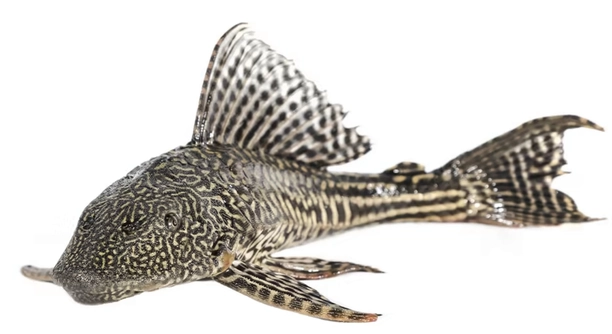
Is your Plecostomus acting differently than usual? There are several signs that could indicate it is in distress or struggling to stay healthy. Understanding these signs can help you provide better care and prevent further issues.
The signs of a dying Plecostomus often include lack of appetite, abnormal swimming behavior, discoloration, excessive hiding, rapid gill movement, lethargy, and bloating. Addressing these issues early can improve the fish’s chances of recovery.
Knowing what to look for is the first step in providing the right care for your Plecostomus. This article will guide you on how to take action.
Lack of Appetite
When a Plecostomus stops eating, it’s often one of the first signs that something is wrong. Plecos are usually active feeders, grazing on algae and food scraps. If your fish refuses to eat or only nibbles occasionally, it could be a sign of illness or stress.
Several factors can lead to a lack of appetite. These may include poor water quality, sudden changes in the environment, or an underlying health issue. A decrease in feeding habits is a clear signal that something is off in the tank. It’s crucial to address this early to prevent further decline.
To remedy this, check your water parameters—temperature, pH, ammonia, nitrites, and nitrates. A sudden shift in water conditions can stress the fish, causing it to stop eating. Ensuring a stable environment and improving water quality may help restore its appetite. You may also want to offer different food options to see if it piques your fish’s interest. In some cases, illness may require medication or veterinary care.
Abnormal Swimming Behavior
Plecostomus are generally bottom-dwelling fish, but if you notice erratic or abnormal swimming, it’s a sign of potential distress.
Fish that are swimming upside down, constantly darting around the tank, or hovering near the surface might be struggling.
Discoloration
If your Plecostomus starts showing signs of discoloration, it’s a major warning sign. Healthy Plecos typically have a consistent color. A sudden change can indicate stress, disease, or water quality issues.
The discoloration can vary from pale or faded spots to darkening or redness, depending on the cause. If the Pleco turns pale, it might be a sign of poor water quality, like high ammonia levels. Darkening could be a symptom of a fungal or bacterial infection. It’s essential to address the cause promptly to prevent further health deterioration.
Test the water quality for harmful chemicals and toxins. If the water is within acceptable ranges, consider other factors like parasites or bacterial infections. In some cases, adding aquarium salt can help treat mild infections, but more severe cases may require specific treatments or medications. Keep the tank clean and avoid sudden temperature fluctuations, which can also stress the fish.
Excessive Hiding
A Plecostomus that hides more than usual could be a sign of trouble. While Plecos do seek shelter during the day, excessive hiding often signals distress.
If your Pleco consistently hides in caves, plants, or even in the substrate, it could be trying to escape an uncomfortable environment or dealing with an illness. Hiding is a form of protection for stressed or sick fish, and if it’s happening more frequently, you need to take action.
Check for changes in water conditions first, as poor water quality is often the cause of increased hiding. Also, observe for other symptoms like lethargy or loss of appetite. Reducing stressors, such as loud noises or sudden tank changes, can sometimes help your fish feel more comfortable. If no improvement occurs, consider consulting a vet who specializes in aquatic animals.
Rapid Gill Movement
If you notice your Plecostomus breathing rapidly or gasping for air at the surface, it could be a sign of stress or oxygen deprivation. This issue can occur due to poor water quality or inadequate aeration.
Rapid gill movement is often caused by high levels of toxins like ammonia, nitrites, or low oxygen levels in the tank. Check the water parameters and ensure proper filtration to improve oxygen levels. In some cases, adding an air pump can help increase aeration. If the problem persists, you may need to perform a water change and address any underlying issues.
Lethargy
Lethargy is another major warning sign that your Plecostomus is struggling. If your fish isn’t moving much and seems unusually tired, it may be ill or stressed.
A healthy Plecostomus should be swimming around the tank and interacting with its environment. If it becomes inactive or spends most of its time at the bottom of the tank, it’s time to investigate. Ensure the water conditions are optimal and check for any visible signs of illness. Lethargy often points to an underlying health issue that requires attention.
Bloating
Bloating is a serious symptom of a sick Plecostomus. If your fish looks swollen or distended, it could indicate internal issues like constipation or more serious diseases.
Bloating may be caused by overfeeding or water quality issues that affect digestion. If the fish appears bloated, consider adjusting its diet and monitor for other signs like floating at the surface or struggling to swim. Severe bloating can be a sign of dropsy or internal infections, which may require medical intervention.
FAQ
What is the lifespan of a Plecostomus?
The average lifespan of a Plecostomus is around 10 to 15 years when properly cared for. They grow slowly and can live much longer in stable, clean conditions. It’s essential to monitor their water quality and diet to ensure they stay healthy for the long haul.
How do I improve water quality for my Plecostomus?
Improving water quality starts with regular water changes—aim for about 25-30% weekly. Use a good filtration system to remove toxins and check parameters regularly. Keep ammonia, nitrite, and nitrate levels in check by testing the water every few days. Proper filtration and a consistent cleaning routine will help keep your Plecostomus healthy.
Can I keep a Plecostomus with other fish?
Yes, Plecostomus are generally peaceful and can be kept with other species that are not aggressive. However, they should not be housed with very small fish that may become a snack. Make sure your Pleco has enough space to establish its own territory in the tank.
How do I know if my Plecostomus is stressed?
Signs of stress include excessive hiding, rapid gill movement, loss of appetite, and unusual swimming patterns. Stress can be caused by poor water quality, overcrowding, sudden changes in temperature, or incompatible tankmates. Address the stressor as soon as possible to prevent further health problems.
Why is my Plecostomus swimming upside down?
Swimming upside down can indicate a serious problem, such as swim bladder issues or internal infections. Swim bladder problems can be caused by overfeeding, poor water conditions, or parasites. If this behavior persists, consider checking the water quality and reducing the amount of food given.
What should I feed my Plecostomus?
Plecostomus are omnivores and need a balanced diet of both plant matter and protein. They will graze on algae in the tank, but you can supplement their diet with sinking pellets, blanched vegetables like zucchini or cucumber, and occasional protein-rich foods like shrimp. Avoid overfeeding to prevent obesity or water contamination.
How do I treat a sick Plecostomus?
If your Plecostomus is showing signs of illness, first ensure the water quality is optimal. Isolate the fish if possible and observe for symptoms like lesions, changes in behavior, or swelling. Depending on the condition, you may need to treat with medications or consult a vet specializing in fish health. Regular water changes and improving diet are essential to recovery.
What is the best tank size for a Plecostomus?
Plecostomus grow quite large, and they need plenty of space to thrive. A 75-gallon tank is the minimum recommended size for a single Plecostomus. Larger tanks are ideal, as they allow your fish to roam and find hiding places. Ensure the tank has good filtration and appropriate water flow to keep your Pleco healthy.
Why is my Plecostomus hiding all the time?
If your Plecostomus is hiding more than usual, it may be stressed or not feeling well. Common causes include poor water quality, tankmates that are too aggressive, or sudden changes in the environment. Check for issues like water parameter imbalances or predators in the tank.
Can I use aquarium salt for a sick Plecostomus?
Aquarium salt can help treat some mild illnesses, such as external parasites or fungal infections. However, not all Plecostomus can tolerate salt, especially certain species. Before using salt, research whether it’s appropriate for your specific Pleco and always follow the recommended dosage to avoid harm.
What do I do if my Plecostomus is bloated?
Bloating can be caused by overfeeding, constipation, or internal infection. Reduce the amount of food you offer and try feeding a high-fiber food like peas to help with digestion. If bloating persists, consult a veterinarian, as it may indicate more serious internal problems.
Why is my Plecostomus turning white?
If your Plecostomus is turning white, it could be a sign of fungal infections, parasites, or poor water quality. White spots or patches often indicate external parasites, while a completely white fish might have a more severe condition like dropsy. Immediately test the water and address any possible toxins.
How do I prevent my Plecostomus from getting sick?
The best way to prevent illness is by maintaining a clean and stable environment. Regular water changes, high-quality filtration, proper diet, and monitoring water parameters will help your Plecostomus stay healthy. Avoid overcrowding the tank and ensure that all tankmates are compatible.
Is it normal for a Plecostomus to be inactive during the day?
Yes, Plecostomus are nocturnal, meaning they are more active at night. It’s normal for them to hide or remain inactive during the day. However, if your fish is unusually lethargic or inactive at night as well, it could indicate a health issue or stress.
How often should I clean the tank for my Plecostomus?
Cleaning the tank regularly is essential to maintain a healthy environment. Perform partial water changes of about 25-30% once a week and clean the substrate with a siphon to remove any debris. Check the filter monthly and clean it as needed to ensure proper filtration.
Can a Plecostomus live with other bottom-dwelling fish?
It’s not advisable to house multiple bottom-dwellers in a small tank. While Plecostomus are generally peaceful, they need their own space and may become territorial with other bottom-dwelling fish. Ensure the tank is large enough and monitor their behavior to avoid conflict.
Final Thoughts
Taking care of a Plecostomus can be both rewarding and challenging. These fish are known for their algae-eating habits and unique appearance, but they also require a stable and clean environment to thrive. Keeping a Pleco healthy involves regular maintenance of water quality, providing a balanced diet, and monitoring their behavior closely. By staying attentive to their needs, you can help your Plecostomus live a long and healthy life.
Understanding the signs of a dying Plecostomus is essential for every fishkeeper. Early detection of health issues can make a significant difference in the outcome. Whether it’s rapid gill movement, lethargy, or bloating, these symptoms are your fish’s way of signaling that something isn’t right. Addressing water quality, diet, and stress factors early can help prevent serious problems. Regular water tests and tank cleaning are important steps in maintaining a healthy environment.
Lastly, it’s crucial to remember that Plecostomus are not just aquarium decorations. They are living creatures that require proper care and attention. By being proactive in keeping their habitat in good condition and ensuring they are not stressed, you can enjoy the benefits of having a healthy and active Plecostomus in your tank.

Hello,
If you enjoy the content that we create, please consider saying a "Thank You!" by leaving a tip.
Every little bit helps us continue crafting quality advice that supports the health, happiness, and well-being of pets around the world, for pets of all shapes, sizes, and species.
We really appreciate the kindness and support that you show us!