
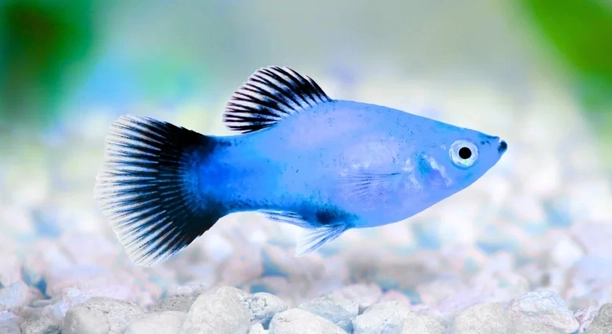
Have you ever watched your platies swim and noticed one seems to be bossing the others around more than usual?
A dominant platy often exhibits controlling behaviors like chasing tank mates, monopolizing food, and claiming certain areas of the tank. These signs help identify hierarchy within a group and signal potential stress among less dominant fish.
Understanding these behaviors can help maintain a peaceful tank and support the well-being of all your fish.
Chasing Other Fish Repeatedly
Platies often swim around playfully, but when one constantly chases others, it can be a clear sign of dominance. This behavior is more than just playful swimming—it’s about control. A dominant platy may chase others to establish territory or show authority. While short chases are normal, repeated and targeted chasing shows the fish is asserting its place in the group. You may also notice the other fish avoiding certain areas of the tank to steer clear of the aggressive one. Over time, this can lead to stress, injury, or uneven feeding if the submissive fish are too scared to eat.
This chasing behavior can begin when new fish are added or when a tank becomes overcrowded.
To reduce this issue, ensure the tank has enough space, plants, or decorations to break lines of sight. These additions give the less dominant fish places to retreat, helping reduce stress and restore balance in the tank.
Blocking Access to Food
Dominant platies often hover near the food area, pushing others away during feeding time. This behavior affects the weaker fish’s health if it continues over several days.
Feeding dominance can lead to malnutrition in smaller or timid fish. To help prevent this, feed at multiple spots in the tank or add food in quick bursts, making it harder for the dominant platy to control every feeding point. Another option is to separate the aggressive platy temporarily during feeding. Observe the group after changes to see if the behavior improves. A balanced tank helps all your fish thrive without added stress or competition.
Guarding a Specific Spot in the Tank
A dominant platy may claim a certain area, like a plant or ornament, and aggressively guard it from other fish. This behavior is often consistent and hard to miss once you start observing.
Territory-guarding is one of the clearest signs of dominance. The platy will return to the same spot, chase others away, and even nip at those who come too close. It may also circle the area or display flaring fins to appear more threatening. While occasional guarding can be normal, consistent aggression in a shared tank can lead to stress for the others. Rearranging decorations can help break this pattern by confusing the dominant fish and giving others a chance to reset their places. Adding visual barriers also helps limit direct interaction, making it easier for the entire group to coexist without constant conflict.
If this guarding becomes intense, it can affect the tank’s balance. Submissive fish may stop exploring and become less active. You may even notice them hiding more often, avoiding areas once shared by all. Over time, this changes the overall behavior of the group. A platy that controls too much of the tank makes others anxious and less likely to thrive. Watching how your fish interact daily will help you act before stress turns into health issues.
Displaying Raised Fins Frequently
Constantly raised fins can be a sign of confidence or challenge. If one platy displays flared fins often while swimming near others, it could be signaling its dominance in the tank.
Raised fins make a platy appear larger and more imposing. This display is not always aggressive at first, but in a group setting, it often serves to establish a pecking order. You’ll notice the dominant fish flaring near others while swimming closely or before a chase. Sometimes, this posture is enough to make the other fish back away. Although beautiful to watch, raised fins used this way are not just for show. It’s a subtle but ongoing way for the dominant fish to keep others in check. If done too often, it can signal ongoing tension in the tank. Watching how long and how frequently the fish holds this posture helps determine if it’s a problem that needs intervention.
Nipping at Fins or Biting
Nipping or biting is a strong sign of dominance. A platy doing this regularly is likely trying to control the group. This behavior causes stress and physical harm, especially to smaller or more timid tank mates.
Even small bites can lead to infection or long-term damage. It’s not harmless play.
Constantly Leading the Group
When one platy always swims at the front or steers the direction of the group, it’s likely acting as the leader. This behavior is subtle but steady. The dominant fish may guide movement during feeding or when exploring new parts of the tank. It shows confidence, control, and a natural ability to influence the others without using aggression. Watching this fish can help you understand the group dynamic better. While it may not seem harmful, constant leadership can still reflect a hierarchy, especially if the others always follow. It’s a softer but still important sign of dominance in group behavior.
Refusing to Back Down
A dominant platy will hold its ground, even if challenged by another. It doesn’t retreat easily, and this signals its control.
How can I tell if my platy is dominant without causing harm to others?
Observing your platies calmly is key. Watch for repeated behaviors such as chasing, guarding specific spots, or blocking food rather than reacting to occasional actions. A dominant platy often shows consistent patterns of control rather than random bursts of activity. Look for signs like flared fins, leading group movement, or nipping that happens regularly. These actions indicate a hierarchy but do not always cause harm if the tank is large enough and well-decorated. Ensuring plenty of hiding spots and enough space will help reduce stress on other fish, allowing you to monitor dominance without conflict.
What should I do if my dominant platy is stressing other fish?
If you notice submissive fish hiding excessively, losing weight, or showing signs of injury, it’s time to intervene. First, try rearranging tank decorations to break visual lines and give all fish places to escape. Adding more plants or ornaments can diffuse tension by creating separate zones. Feeding in multiple spots reduces competition and food guarding. If problems persist, consider separating the dominant fish temporarily or permanently. Sometimes, upgrading to a larger tank can solve space-related conflicts. Always monitor fish health closely to ensure the tank environment stays balanced.
Can dominance among platies affect breeding success?
Yes, dominant behavior impacts breeding. A dominant male may prevent others from mating by chasing or blocking access to females. Stress caused by constant harassment can reduce spawning activity and fry survival. Providing plenty of hiding spaces and visual barriers allows females to escape and reduces stress. Adding more females than males helps distribute attention and lowers aggression. In some cases, separating particularly aggressive males improves breeding outcomes. Watching interactions during breeding seasons helps you make adjustments that promote healthier, more successful spawning.
Does tank size influence dominance in platies?
Tank size plays a big role in fish behavior. Smaller tanks tend to increase stress and aggression because fish have limited space to establish territories or avoid dominant individuals. In cramped environments, dominant platies may become more aggressive since the others cannot escape or hide easily. Larger tanks provide more room for each fish to claim a territory or swim freely, which helps reduce conflict. Experts recommend a minimum of 20 gallons for a small group of platies to maintain a peaceful environment. Space combined with adequate hiding spots leads to a healthier social dynamic.
Are certain platy varieties more prone to dominance?
There is no strong evidence that specific platy color or strain directly causes dominance. However, individual personality and size differences play a bigger role. Larger or more confident fish tend to become dominant regardless of variety. Some strains may appear bolder due to size or temperament but dominance is mostly about behavior and environment. Monitoring each fish’s actions and interactions matters more than variety when managing dominance. Tailoring tank conditions and group size based on fish temperament helps prevent one from becoming overly aggressive.
How do I manage a dominant platy in a community tank?
Community tanks require careful attention to social balance. If a dominant platy is harassing other species, increase hiding places and visual breaks to reduce line-of-sight aggression. Feeding multiple spots helps limit food guarding. Choosing peaceful tank mates that can hold their own or swim quickly also reduces bullying. Sometimes separating the dominant fish temporarily allows the group to reset behavior. Frequent observation helps catch problems early before stress causes illness or injury. Adjusting the environment and stocking carefully keeps community tanks peaceful and enjoyable for all fish.
Is it normal for a dominant platy to act differently alone?
Yes, dominant behaviors usually appear in group settings where hierarchy matters. When alone, a platy may seem calmer because there is no competition or challenge. Without other fish to assert control over, the need for dominance disappears. However, if isolated for long periods, the fish may become bored or less active. Social interaction is important for platies, so they thrive best in groups where natural behaviors like dominance appear. Observing how your platy acts alone versus in a group helps understand its personality and needs.
Can diet affect dominant behavior in platies?
Diet itself doesn’t directly cause dominance, but poor nutrition can increase stress and aggression. Well-fed fish are generally calmer and less likely to compete aggressively for food. Feeding a balanced diet with quality flakes, pellets, and occasional live or frozen foods supports overall health and behavior. Avoid overfeeding, which can lead to poor water quality and increase stress. Maintaining good water parameters alongside proper diet keeps the entire group more peaceful and reduces dominance-related problems.
Should I remove a dominant platy from my tank?
Removing a dominant platy depends on how much stress it causes. If the fish is aggressive to the point of harming others or preventing them from eating, removal may be necessary. Sometimes temporary separation helps, allowing the group to calm down before reintroduction. If problems continue, permanent removal or moving the dominant platy to its own tank is best. Always prioritize the health and well-being of the whole group. Assess behavior regularly to decide if intervention is required.
How can I encourage more balanced behavior in a platy group?
Provide a well-decorated tank with plenty of hiding spots and visual barriers. Keep an appropriate group size with more females than males to reduce male competition. Feed at multiple locations and maintain excellent water quality to lower stress. Avoid overcrowding, which heightens aggression. Observing fish regularly helps catch early signs of dominance before it becomes disruptive. Balancing environment and social factors promotes harmony and allows all platies to coexist peacefully.
Understanding the behavior of a dominant platy in a group is important for keeping your aquarium peaceful and healthy. Dominance among platies is natural and helps establish a social order, but it can also cause stress and problems if it becomes too intense. Watching for key signs, such as chasing, guarding spots, nipping, and blocking food, allows you to identify when one fish is taking control. Early recognition is the first step toward managing the group effectively and ensuring all fish have a chance to thrive.
Creating the right environment helps balance dominance naturally. Providing enough space, plants, and decorations gives submissive fish places to hide and reduces direct confrontations. Feeding fish in multiple spots also lowers competition and food guarding. Sometimes, rearranging the tank can disrupt established territories and calm aggressive behaviors. In cases where dominance leads to ongoing stress or injury, temporary separation or upgrading to a larger tank may be necessary. Maintaining good water quality and a healthy diet supports the overall well-being of the group and reduces tension.
Keeping platies in a harmonious group takes attention and care. Each fish has a unique personality, and dominance can change over time or with new additions to the tank. Regular observation helps catch problems before they worsen. Making small adjustments to the tank environment or group composition can make a big difference in reducing aggression. By understanding and managing dominant behavior, you can create a more peaceful home for your platies and enjoy watching their natural interactions without harm or stress.

Hello,
If you enjoy the content that we create, please consider saying a "Thank You!" by leaving a tip.
Every little bit helps us continue crafting quality advice that supports the health, happiness, and well-being of pets around the world, for pets of all shapes, sizes, and species.
We really appreciate the kindness and support that you show us!