
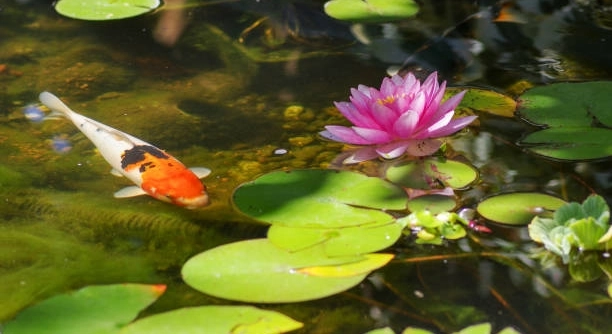
Are your koi fish showing signs of calm swimming, regular eating, and gentle interaction with their surroundings? These behaviors might be telling you something important about their health and comfort.
Koi fish that are adjusting well often display steady swimming, a healthy appetite, bright coloration, and social behavior. They avoid hiding, respond to your presence, and show no signs of stress or illness such as clamped fins or erratic movement.
Observing these positive changes can help you feel more confident about their care and environment while making small improvements where needed.
Sign 1: Steady and Calm Swimming
Koi that are adjusting well will swim with ease, often gliding slowly and gracefully through the water. Their movements are smooth and deliberate, without sudden darting or signs of distress. You’ll often see them moving in loose groups, occasionally pausing near plants or the pond edges. This type of swimming shows they are relaxed and comfortable in their surroundings. Sudden jerks, crashing into walls, or erratic behavior can suggest discomfort or environmental stress. Calm swimming also means they’re conserving energy, which is typical of healthy koi. It’s a good habit to watch them during different times of the day to notice how consistent their behavior is. Any changes in their swimming pattern should be observed closely, but a relaxed and calm movement is a clear sign that your koi are adapting well. They feel safe, and the pond conditions are likely supporting their overall health.
A koi’s swimming style is one of the first things you’ll notice when they begin settling in. It’s a quiet sign of comfort and trust in their environment.
Keeping an eye on how they move each day can help you understand their mood and physical condition. A smooth rhythm usually means they’re doing just fine.
Sign 2: Active and Social Behavior
Koi fish are naturally curious and often explore their space. When they feel safe and settled, they become more social and active.
You’ll notice your koi interacting with each other more, often swimming side by side or trailing behind one another. They may come closer to the surface when you approach, especially during feeding times. This behavior is not just about food—it shows recognition and familiarity. A koi that is adjusting well will begin to respond to your presence without showing signs of fear or hiding. They may also nibble gently at pond plants or explore rocks and corners out of interest. If they were new to the pond recently, you might have noticed them hiding at first, but as they adjust, they become more visible and involved. This natural curiosity and interaction with both their environment and other koi are signs that they feel at ease and are adapting well to their new home.
Sign 3: Healthy Appetite
Koi that are adjusting well will show interest in food during regular feeding times. They swim toward the surface calmly, without hesitation or stress, and eat steadily without rushing or ignoring the food altogether.
A consistent appetite is a reliable sign that koi feel safe and comfortable in their surroundings. New koi may take a day or two to start eating regularly, but once they adjust, they begin to show eagerness when food is offered. They may even recognize feeding routines or come to the surface when they hear footsteps nearby. It’s important to feed a high-quality diet and avoid overfeeding, as that can cloud the water or cause health issues. If all or most of the fish are eating steadily and displaying no signs of bloating or disinterest, it means their environment supports their needs and they are beginning to settle in fully.
Watch for any individuals that stop eating, isolate themselves, or show unusual behavior during meals. These can be early signs of discomfort or illness. But as long as your koi approach food calmly and eat at a consistent pace, you’re likely providing them with a good, stable environment that supports their growth and health. Routine feeding times can also help them stay on track.
Sign 4: Bright and Vibrant Coloration
Koi that are feeling well will start to show richer, more defined colors. Their hues appear stronger, patterns become more noticeable, and their skin looks smooth and clean. This usually happens once they’ve settled into their environment.
Color changes are often linked to stress, water quality, and diet. When koi first arrive, their colors may appear dull or faded. But as they begin to feel comfortable, their pigments return and often look even better than before. Clean water, low stress levels, and good food all support this improvement. Bright colors are also a sign of good blood flow and proper skin health. If you notice vibrant reds, deep blacks, or clean whites becoming more visible, it’s usually a sign your koi are adjusting well. Just be mindful that water temperature and lighting can affect how their colors appear, so consider the full context before worrying about small shifts.
Sign 5: Minimal Hiding
Koi that feel secure don’t spend much time hiding. They may rest occasionally near plants or structures, but they won’t avoid open areas for long. When koi consistently stay out of sight, it could mean they’re still adjusting or feeling stressed.
If your koi are coming out more often and exploring the pond freely, it’s a strong indicator that they feel comfortable. Occasional hiding is normal, especially in the early days, but they should begin to show themselves more regularly. Staying visible and relaxed shows they are beginning to trust their environment.
Sign 6: Smooth and Unclamped Fins
Fins tell you a lot about your koi’s condition. Healthy, adjusted koi will hold their fins out naturally and evenly as they swim. Clamped fins—fins held tight against the body—can be an early sign of stress or poor water quality. Smooth, open fins show relaxation and balance. Koi that are doing well will glide with steady, extended fins and won’t show flicking or twitching. This relaxed fin posture often appears after they’ve settled in and started feeling more secure. If multiple koi show smooth, unclamped fins, it’s a strong sign they’re adapting well to their surroundings and are in good condition.
Sign 7: No Signs of Illness
Healthy koi won’t show redness, sores, or erratic swimming. Their skin should look clear, and their scales smooth and even. They stay balanced in the water and don’t isolate themselves from the group.
FAQ
How long does it take for koi to adjust to a new pond?
It usually takes koi about one to two weeks to fully adjust to a new pond. During this time, they may hide more often, avoid food, or swim less. These behaviors are normal as they get used to the new sounds, water conditions, and surroundings. Keep the pond quiet and stress-free, and avoid changing water parameters during this period. If after two weeks they still show signs of stress, check the water quality and observe for illness. Every koi adjusts at its own pace, so a little patience goes a long way.
Why is my koi hiding all the time?
Constant hiding can be a sign of stress, poor water quality, or illness. Koi might also hide if they’re new to the pond or feel unsafe. Make sure the pond has enough space, oxygen, and shelter without making it too dark or crowded. Test the water for ammonia, nitrites, and pH issues. If the water checks out, observe for signs of disease or injury. Give them time, reduce disturbances, and offer food at consistent times. If hiding continues beyond two weeks, consider reaching out to a koi health specialist for a deeper look.
What does clamped fins mean in koi?
Clamped fins are when a koi holds its fins tight against its body rather than letting them fan out naturally. This is often an early sign of discomfort or stress. It could mean the water is too cold, dirty, or lacking oxygen. It may also point to internal problems like parasites or infections. When you see clamped fins, it’s best to act quickly. Test the water right away, observe their behavior closely, and consider doing a partial water change. Addressing issues early can help them bounce back fast.
Can koi lose their color when stressed?
Yes, stress can cause koi to lose some of their color temporarily. Their colors may fade or look dull if they’re uncomfortable, scared, or sick. Poor water quality, sudden temperature changes, or a new environment can also cause this. Once they feel safe again and the pond conditions are stable, their colors often return to normal. A good diet also plays a role in maintaining strong pigmentation. If dull colors last for weeks, it may be worth checking for hidden health issues or adjusting their nutrition.
How do I know if my koi are happy?
Happy koi swim calmly, eat regularly, and show interest in their surroundings. They move around without fear, don’t isolate themselves, and respond when you approach. Their fins stay open and their colors remain vibrant. They also interact with other koi and explore different parts of the pond. If your koi do these things, it’s a strong sign they feel secure and healthy. On the other hand, if they start acting differently—like not eating, staying still, or darting around—something may be off. Consistent behavior is one of the best signs of a happy koi.
What should I feed koi to help them adjust better?
Feed your koi a high-quality, easily digestible food, especially during the adjustment period. Choose pellets with protein, vitamins, and color enhancers. Feed small amounts once or twice a day, and remove leftovers to keep the water clean. Avoid giving them treats or switching foods too soon, as this can upset their system. Keep it simple and consistent. If the water temperature drops, adjust feeding frequency, since koi eat less in cooler conditions. A steady feeding routine helps build trust and comfort during the early days in a new pond.
Do koi recognize their owners?
Yes, koi can recognize their owners over time. They may begin to swim toward you when you approach, especially during feeding. This behavior isn’t just hunger—it’s also familiarity. Koi learn routines and sounds and start to associate your presence with safety. Gaining their trust takes consistency. Move slowly around the pond, avoid loud noises, and maintain a regular feeding schedule. Some koi may even eat from your hand after a while. This level of comfort shows they feel relaxed and secure in their environment.
Final Thoughts
Watching your koi adjust to a new pond can feel uncertain at first, but the small changes in their behavior will guide you. From calm swimming to a healthy appetite, these signs show that your koi are beginning to feel at home. It doesn’t always happen right away, and that’s okay. Each fish adjusts at its own pace. What matters most is giving them a clean, steady environment where they feel safe. Even little things like your daily routine or how you approach the pond can help them settle in faster. Over time, they’ll become more comfortable and start acting like themselves.
It’s helpful to keep track of their behavior. Make a habit of observing how they swim, eat, and interact. Notice their color, fin position, and how often they stay visible. These are all quiet signs that tell you how they’re doing. If something feels off, it’s usually best to check the water quality first. Poor water is one of the most common reasons koi feel stressed or get sick. Keeping filters clean, testing regularly, and doing small water changes can go a long way. When the pond stays balanced, the koi tend to stay calm and healthy, even through seasonal changes.
Patience is important. Koi are sensitive to changes in their surroundings, so it takes time for them to build trust. Avoid making too many adjustments all at once. Let them settle before adding new fish or changing the pond layout. A stable environment helps them feel secure, which leads to better health and behavior. If your koi are showing signs of stress, give them time and space. Keep routines simple and consistent. With steady care and a bit of attention to their habits, your koi will begin to thrive. Their calm presence, soft colors, and smooth movements will eventually become a familiar and peaceful part of your everyday life.

Hello,
If you enjoy the content that we create, please consider saying a "Thank You!" by leaving a tip.
Every little bit helps us continue crafting quality advice that supports the health, happiness, and well-being of pets around the world, for pets of all shapes, sizes, and species.
We really appreciate the kindness and support that you show us!