
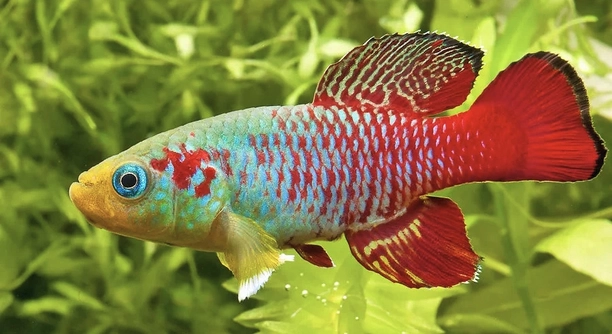
Is your killifish looking stressed or showing odd behavior, even though everything seems fine with your tank setup and feeding?
Killifish water that is too hard often leads to stress, poor coloration, reduced lifespan, and difficulty breeding. These fish prefer soft, slightly acidic water, and hard water can gradually impact their health and overall behavior.
Recognizing these signs early makes a big difference, especially if you want your killifish to thrive in a healthy and balanced environment.
Sign 1: Faded or Washed-Out Colors
Killifish are known for their bright, eye-catching colors. When the water becomes too hard, their colors may fade. This happens because minerals in hard water can affect their skin and scales, making them look dull or pale. If your killifish used to be vibrant but now look muted, it’s a sign their environment isn’t ideal. Hard water can change the pH and mineral balance, causing stress that leads to these visible changes. Even small shifts in water hardness can have a noticeable effect. Consistent color fading is usually one of the first things you’ll see.
Faded colors aren’t always about age or lighting. Often, it’s a direct response to water that’s not suitable for soft-water species like killifish.
To bring back their color, consider using a water softener pillow or mixing in reverse osmosis (RO) water during water changes. Test your general hardness (GH) and aim for a softer range under 8 dGH.
Sign 2: Unusual Swimming Behavior
Hard water can impact your killifish’s comfort and energy. You might notice them swimming less or staying near the bottom more often than usual.
This change in swimming is usually linked to stress caused by the mineral imbalance in the tank. Hard water can make it harder for killifish to regulate their internal systems, which leads to sluggishness or erratic swimming. In some cases, they may avoid certain parts of the tank entirely, especially if the pH is too high. These fish evolved in environments with gentle, soft water, so when the water is too alkaline, they can feel out of place and unsettled. You might even see them struggling to swim straight or appearing disoriented. If this behavior continues, it could weaken their immune system and make them more vulnerable to illness. Adjusting your water gradually by blending in distilled or RO water can help ease this issue and restore their comfort in the tank.
Sign 3: Frequent Hiding or Resting
If your killifish are hiding more than usual or resting at the bottom, hard water could be a reason. It creates discomfort that affects their activity levels and overall behavior in the tank.
Killifish are usually active swimmers, especially during feeding or when exploring their space. But when water hardness rises too high, they may become sluggish and avoid open areas. This kind of behavior often means they’re trying to escape conditions that feel harsh or overwhelming. Hard water can throw off their internal balance, making them more tired or withdrawn. Over time, you may see them choosing shaded spots, plants, or caves as their main resting areas, rather than swimming freely. It’s important to check your GH and KH levels and make small, consistent changes to bring them back into the proper range.
If the hiding continues even after adjusting water softness, observe them closely for additional signs of stress or illness. Sometimes hard water leads to weakened immunity, which can open the door to secondary health problems. Also, look at the behavior of other fish in the tank. If multiple species are showing similar signs, it’s likely a water quality issue. Always treat changes gradually to avoid shocking the fish, especially in sensitive species like killifish.
Sign 4: Difficulty Breeding
Killifish often stop breeding or show little interest in spawning when kept in hard water. Their reproductive behavior is sensitive to water chemistry, especially hardness and pH.
Soft water is essential for successful killifish breeding. In hard water, eggs may not fertilize properly, or they might fail to develop. Some breeders report lower hatch rates or no spawning at all when the GH is too high. Males may become less active or stop displaying their usual courting dances. Females may avoid laying eggs or ignore spawning sites entirely. The minerals in hard water can affect hormone function and reduce their natural breeding instincts. To improve their chances, gradually shift the water conditions toward a softer profile using RO water and peat filtration. Also, monitor for other stressors, like bright lighting or tank traffic, which can add to the problem.
Sign 5: Clamped Fins
Clamped fins often show that your killifish are stressed. Hard water can cause irritation and discomfort, making them hold their fins tightly against their bodies instead of spreading them normally.
This posture isn’t just about mood—it can signal deeper water issues that need attention right away.
Sign 6: Excess Mucus Production
When killifish live in hard water, they may start producing excess body mucus. This is their natural way of protecting themselves from irritation. A light coating is normal, but a thick, cloudy layer is not. It usually forms as a response to mineral-heavy water that’s affecting their skin. You might notice them rubbing against objects or glass as well. This can be a way of relieving discomfort. If left alone, the mucus buildup can lead to breathing problems or open the door to infections. Make sure to test your GH and KH levels and adjust slowly to avoid sudden stress on the fish.
Sign 7: Poor Appetite
Killifish kept in hard water may stop eating or show less interest in food. Appetite loss often comes with stress, which is common when water conditions aren’t right.
FAQ
How do I test if my water is too hard for killifish?
Use a liquid water test kit that measures general hardness (GH) and carbonate hardness (KH). Test strips can work too, but liquid kits tend to be more accurate. Killifish prefer soft water with a GH under 8 dGH and a KH on the lower end. If your readings are above that range, the water may be too hard. Always test both tap water and tank water, as minerals can build up over time inside the aquarium. Regular testing helps you catch any changes before they cause problems.
Can I keep killifish in hard water if they seem okay?
While they might survive, they probably won’t thrive. Killifish are soft-water fish by nature, and living in hard water can slowly wear down their health. You might not notice issues right away, but long-term exposure can lead to poor coloration, weak immunity, and low breeding success. Even if they eat well and act normally at first, that doesn’t mean the conditions are ideal. It’s better to give them the water quality they’re naturally suited for, especially if you want them to live longer and stay active.
What’s the safest way to soften water for killifish?
The gentlest method is to mix reverse osmosis (RO) water with your tap water until the hardness reaches the right level. RO water is free of minerals and allows you to control the final balance. Another option is adding Indian almond leaves or driftwood, which release tannins and help soften the water slightly over time. You can also use peat moss in a filter bag, but this works better for smaller tanks. Avoid using chemical softeners unless you’re very experienced, as they can change water conditions too fast and stress your fish.
Is low pH the same as soft water?
Not exactly. While soft water often has a lower pH, the two are different things. Soft water refers to low levels of dissolved minerals, especially calcium and magnesium. pH measures how acidic or alkaline the water is. Some soft waters can still have neutral or even slightly high pH depending on other factors. For killifish, both pH and hardness matter. They prefer slightly acidic water with a low mineral content. That’s why it’s important to measure both GH and pH instead of assuming one tells the whole story.
How often should I test water hardness in a killifish tank?
It’s a good idea to test GH and KH once a week, especially if you’re adjusting the water or using additives. After things stabilize, you can check every two weeks. However, if you notice changes in behavior—like color loss, hiding, or fin clamping—it’s smart to retest right away. Water hardness can shift slowly due to evaporation or water top-offs with untreated tap water. Staying consistent with testing helps prevent unexpected issues that might take time to show visible signs in your killifish.
Can I use bottled water or distilled water for my killifish?
Distilled water alone isn’t ideal because it lacks minerals completely. Killifish still need some minerals for osmoregulation and other functions. However, mixing distilled water with tap water is a safe way to reduce hardness. Bottled water is tricky—some brands are just filtered tap water and still contain minerals. Always check the label. RO water is a more reliable choice since it’s designed to remove almost all mineral content. If you use distilled or RO water, always remineralize slightly or mix it with treated tap water to reach the right balance.
Why are my killifish not laying eggs even though they look healthy?
Hard water could be interfering with their breeding. Even if they look active and eat well, water that’s too hard can prevent proper egg development. Males may show less interest in courting, and females may not deposit eggs. Try gradually softening the water and lowering the pH slightly. Also, make sure you’re offering good spawning sites like spawning mops or fine plants. Keep the tank peaceful and stable. When the water conditions are right, many species begin spawning more regularly without needing much encouragement.
What’s a good GH range for most killifish?
Most species do best in water with a GH between 3 and 8 dGH. Wild-caught species often prefer even softer water. If your tap water is above that, mix in RO or distilled water to bring the levels down. Always test regularly to keep things stable.
Final Thoughts
Taking care of killifish means paying close attention to their water conditions, especially the hardness. These fish are naturally found in soft, slightly acidic water, and trying to keep them in hard water can lead to several health issues. While they may appear fine at first, over time, hard water can slowly affect their color, energy levels, appetite, and even their ability to breed. If your killifish seem off, it’s worth checking the water hardness along with other basic parameters. Small changes in their environment can lead to noticeable differences in their behavior and overall health.
Testing and adjusting water hardness doesn’t have to be complicated. You can start by getting a reliable test kit that checks GH and KH. Once you know your levels, you can make gradual changes by mixing in RO or distilled water, adding safe materials like almond leaves, or using peat in your filter. Always avoid sudden shifts, as these fish are sensitive to rapid changes. Keeping things steady and soft is usually the best path. If your water is naturally hard, a little effort goes a long way toward creating a better home for your killifish. Watching them regain their energy and color can be a rewarding sign that your adjustments are working.
In the end, providing the right water conditions is part of making sure your killifish live a healthy and active life. They might be small, but they depend on the right environment to thrive. Paying attention to signs like fading color, low activity, fin clamping, or a drop in appetite helps catch problems early. Water hardness might not be the first thing people check, but it’s often a key part of the solution. Once you learn how your water works and what your killifish need, it becomes easier to manage. With a little routine care, you can help your fish stay comfortable, active, and vibrant for a long time.

Hello,
If you enjoy the content that we create, please consider saying a "Thank You!" by leaving a tip.
Every little bit helps us continue crafting quality advice that supports the health, happiness, and well-being of pets around the world, for pets of all shapes, sizes, and species.
We really appreciate the kindness and support that you show us!