
Killi fish are popular in home aquariums because of their vibrant colors and small size. Many fish keepers enjoy watching them grow and thrive in carefully maintained tanks. Knowing when they are ready to spawn is important for successful breeding.
Killi fish display specific physical and behavioral signs when ready to spawn, such as increased coloration, chasing behavior, and nest-building activities. Recognizing these signs helps ensure proper care and optimal conditions for breeding.
Identifying these signs early can improve your chances of raising healthy fry and maintaining a balanced aquarium environment.
Color Changes in Male Killi Fish
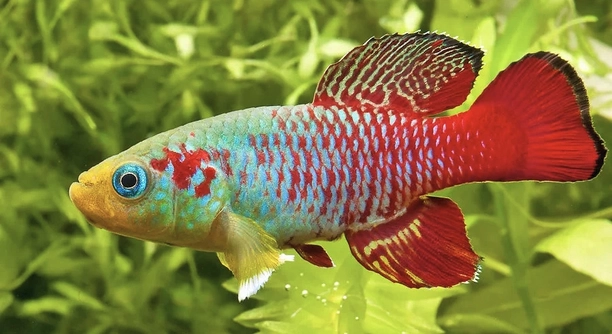
When male killi fish are ready to spawn, their colors become much brighter and more vivid. This change helps attract female fish by showing their health and readiness. The bright colors usually include shades of red, blue, or green depending on the species. It’s common to notice that the males will display these colors more consistently during the spawning period. Females tend to be less colorful, so the difference becomes more obvious. Watching for this color change is an easy way to tell if breeding might happen soon. You may also see the males swimming more actively and showing off their colors to females. This behavior is natural and part of their mating process. Making sure the tank environment is clean and stable can encourage these color changes and improve the chances of successful spawning. Bright colors are a key visual sign that breeding is near.
Male killi fish often intensify their colors during breeding times to signal their readiness to females.
A healthy environment with clean water and good food can help support the bright coloration in male killi fish. Stress or poor water quality can dull their colors, so keeping the tank well-maintained is important. When males are brightly colored, it’s a sign they are healthy and ready for spawning. Observing this color change along with other behaviors helps predict when breeding will start. This way, you can prepare to provide the right conditions for the eggs and fry later on.
Nest Building and Territory Behavior
Killi fish show increased nesting and territorial behaviors when ready to spawn.
When killi fish prepare to spawn, males often start to guard a small area in the tank, sometimes cleaning or arranging plants and surfaces. This space becomes a safe spot for females to lay their eggs. The male may chase other fish away from this territory to protect it. This behavior helps ensure the eggs will not be disturbed after they are laid. Watching for nest-building is a strong indicator that spawning will soon take place. It’s important to avoid disturbing the fish during this time to prevent stress or aggression. Creating an environment with plants or flat surfaces can encourage this natural behavior. This preparation by the males shows they are ready to breed and care for their future offspring. Recognizing nesting behavior helps you understand your fish’s needs better during spawning.
Increased Chasing and Courtship Behavior
Male killi fish become more active and chase females frequently when they are ready to spawn. This chasing is part of their courtship ritual.
This chasing behavior is meant to catch the female’s attention and encourage her to follow the male to a suitable spawning site. Males may swim rapidly around the tank and nudge the females to lead them to nests. While it might look aggressive, it’s a natural sign of readiness for breeding. Females often respond by swimming with the males or hiding near the prepared territory. This active courtship helps both fish prepare for the next step in spawning. It’s important to give them space during this time so stress doesn’t affect their behavior.
Watching these chasing and courtship actions can help you identify when spawning is imminent. These behaviors signal that both male and female are engaging in natural mating rituals. Understanding this helps you provide better care and a suitable environment for successful breeding.
Changes in Female Behavior and Appearance
Females often become less colorful but more rounded as they get ready to spawn. This change shows their eggs are maturing.
You may notice females spending more time near plants or hiding spots, especially around the nest area. Their bellies look fuller, which means they are carrying eggs ready for laying. Unlike males, their colors might become duller to blend in and avoid predators. Females can also become more cautious or shy during this time, avoiding constant chasing by males. These changes in behavior and appearance signal that females are preparing for spawning. Recognizing these signs allows you to adjust tank conditions to reduce stress and protect the eggs when they are laid. Observing these subtle changes helps in timing the spawning care properly.
Restlessness and Increased Activity
Killi fish often become more restless when ready to spawn. They swim more frequently and explore different areas of the tank.
This increased activity is part of their natural behavior to find the best place for laying eggs or to attract a mate. It shows they are preparing for breeding.
Belly Swelling in Females
Female killi fish show noticeable belly swelling when carrying eggs. This is a clear sign that spawning will happen soon.
The swollen belly indicates mature eggs inside the female, ready to be laid. It’s important to monitor this to prepare for the breeding process and provide a safe environment.
Preference for Specific Spawning Sites
Killi fish tend to choose specific spots, like plants or flat surfaces, to lay their eggs. These locations protect the eggs and help ensure their survival.
Male Guarding Behavior
Males guard the nesting area closely after females lay eggs. This protects the eggs from other fish and potential threats.
FAQ
How can I tell if my killi fish have successfully spawned?
Successful spawning is usually confirmed when you see eggs attached to plants, substrate, or tank surfaces. You might also notice the male guarding the area closely. After a few days, small fry may hatch and swim near the bottom or among plants. Watching these signs closely helps you know when spawning has finished and when to adjust care.
What should I do after my killi fish spawn?
Once spawning occurs, it’s important to maintain clean water and stable temperature to help eggs develop. Avoid disturbing the tank too much to prevent stressing the fish. Some breeders remove the adult fish after spawning to protect the eggs and fry from being eaten. Providing hiding places for fry can improve their survival rates.
How long does it take for killi fish eggs to hatch?
Killi fish eggs typically hatch within 7 to 14 days, depending on the species and water temperature. Warmer water speeds up development but avoid sudden temperature changes. Keep the tank stable and observe the eggs for signs of growth or fungus. Removing any fungus early helps prevent eggs from spoiling.
Can I breed killi fish in a community tank?
Breeding in a community tank is possible but not ideal. Other fish may eat the eggs or fry. If you want to breed successfully, it’s better to use a separate breeding tank. This gives you more control over conditions and protection for the eggs and young fish.
What is the best diet to prepare killi fish for spawning?
Feeding killi fish a high-quality diet with live or frozen foods like brine shrimp, daphnia, or bloodworms helps improve their health and readiness to spawn. These foods provide important nutrients that support egg development and increase the chance of successful breeding.
How do I care for killi fry after they hatch?
Killi fry need small, frequent feedings of tiny foods like infusoria, newly hatched brine shrimp, or finely crushed flakes. Keep the water clean and avoid strong currents. Providing plenty of hiding spots with plants or moss helps protect the fry from being stressed or eaten by adults.
What water conditions are best for spawning killi fish?
Stable, clean water with a temperature between 72°F and 78°F (22°C–26°C) works well for most killi species. Slightly soft to moderately hard water with a neutral to slightly acidic pH is preferred. Regular water changes and good filtration keep the environment healthy for breeding.
Why do killi fish sometimes refuse to spawn?
Refusal to spawn can happen due to stress, poor water quality, lack of proper diet, or absence of suitable spawning sites. Ensuring a calm tank, correct temperature, and places to lay eggs encourages spawning. Sometimes separating males and females before introducing them helps trigger breeding behavior.
How often do killi fish spawn?
Killi fish can spawn multiple times during their breeding season if conditions are right. Some species lay eggs every few days or weeks. Continuous good care and stable environment allow repeated spawning, but watch for signs of exhaustion or illness in the fish.
Can I tell male and female killi fish apart easily?
Yes, males are usually more colorful and smaller, while females have rounder, fuller bodies due to egg carrying. Observing behavior during breeding times also helps, as males tend to be more active and show chasing and guarding behaviors. These differences make it easier to prepare for spawning.
Final Thoughts
Knowing the signs that killi fish are ready to spawn helps in providing the best care for them. Paying attention to changes in color, behavior, and physical appearance can give clear clues about their breeding readiness. Male killi fish become more colorful and active, while females show changes like a swollen belly and quieter behavior. These natural signs allow fishkeepers to prepare the tank and environment for successful spawning. Observing these changes carefully will make it easier to manage breeding and support the health of both adults and their young.
Creating a good environment is very important when killi fish are about to spawn. Clean water, stable temperature, and safe hiding spots help reduce stress and encourage natural behaviors like chasing, nest building, and guarding. It is helpful to provide plants or flat surfaces where eggs can be laid and protected. Avoiding sudden changes in the tank or handling the fish too much during this time can improve the chances of successful breeding. Preparing the tank properly also makes caring for the fry easier after they hatch.
Finally, patience and attention to detail play a big role in raising killi fish successfully. Breeding can take time and sometimes requires a few attempts before everything goes smoothly. Watching for signs like restlessness, chasing, and nest guarding will help predict when spawning is close. Offering nutritious food and keeping the water quality high supports healthy fish and strong offspring. By understanding these signs and conditions, you can enjoy watching your killi fish grow and reproduce in a healthy environment.

Hello,
If you enjoy the content that we create, please consider saying a "Thank You!" by leaving a tip.
Every little bit helps us continue crafting quality advice that supports the health, happiness, and well-being of pets around the world, for pets of all shapes, sizes, and species.
We really appreciate the kindness and support that you show us!