
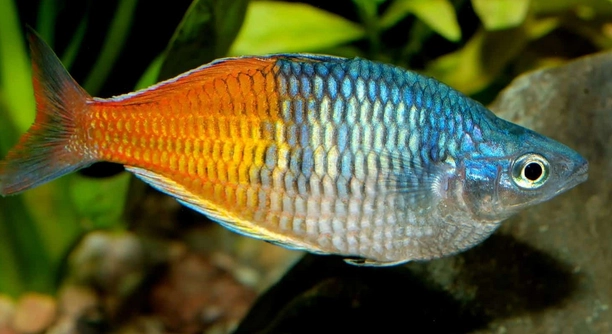
Having a fish tank is a rewarding experience, but it also requires regular attention and care. Over time, the setup you once loved may no longer meet the needs of your fish or your lifestyle.
If your fish tank is becoming difficult to maintain, looks outdated, or no longer supports your aquatic life properly, it may be time for an upgrade. Several signs indicate that your tank is due for an overhaul, ensuring a healthier environment for your fish.
Upgrading your tank is a step toward creating a better habitat for your aquatic pets. Understanding when and why to upgrade can prevent stress for both you and your fish.
Your Tank is Too Small for Your Fish
Fish need room to swim and grow. Over time, your fish may outgrow the space provided, which can lead to stress and health issues. A tank that’s too small can cause water quality problems, affecting your fish’s well-being. Many fish need a larger space as they mature, and the size of your tank plays a crucial role in keeping them healthy. If your fish are constantly swimming in tight spaces or appear stressed, it’s a sign that an upgrade is necessary.
Upgrading your tank ensures your fish have the proper environment to thrive. A larger tank gives them room to move, reducing the chances of aggressive behavior and improving their overall quality of life.
Before upgrading, it’s essential to check the type and number of fish you have. Some species need more space than others, and overcrowding can be harmful. A new tank with appropriate filtration will also help maintain water quality and prevent frequent cleaning. Make sure the new setup can support your fish’s future needs and growth.
The Equipment is No Longer Effective
Older equipment can struggle to keep up with the demands of your tank. When filters, heaters, or lights begin to wear down or stop working efficiently, your fish’s health can be compromised. A filter that isn’t filtering properly can result in poor water quality, making the environment unhealthy for your fish.
Replacing your equipment ensures that your fish are living in an optimal environment. Modern filters and heaters are much more efficient, helping to maintain the right water conditions with less energy consumption.
If your current equipment is outdated or malfunctioning, it’s time to look into upgrading. Many new models offer better performance, and some even come with added features like energy-saving modes or quieter operations. A fresh setup with updated equipment will reduce your maintenance time and ensure a healthier tank for your fish.
You’re Constantly Cleaning the Tank
If you find yourself cleaning your tank more often than usual, it may be a sign that your setup isn’t working as it should. Overcrowding or outdated filtration systems can cause debris to build up quickly. A tank that requires frequent cleaning can be stressful for both you and your fish.
Upgrading to a larger tank or one with a better filtration system can significantly reduce the amount of cleaning required. A larger tank holds more water, which helps maintain water quality for longer periods, reducing the frequency of water changes. Better filtration systems can also keep the tank cleaner, reducing the buildup of waste and algae.
A new tank can provide a more balanced ecosystem for your fish. With a more stable environment, the tank won’t require constant maintenance, allowing you more time to enjoy your aquatic pets. Keep in mind that a well-maintained tank with the right filtration system also improves the health of your fish, which is worth the investment.
The Tank Is Outdated or Unattractive
An outdated or unattractive tank can affect how you feel about your fishkeeping setup. Over time, the tank’s appearance might start to feel worn out or out of style. Whether it’s cracked glass, old decorations, or a worn-out stand, it can be a visual turn-off.
An upgraded tank can bring a fresh, modern look to your space. There are many stylish tanks available now, from sleek, minimalistic designs to tanks with built-in filtration systems that save space. You can find one that fits your room’s aesthetic while improving the overall appearance of your fish’s home.
A more attractive tank will also make you feel more excited about maintaining it. When your tank looks good, it becomes easier to care for, and it helps create a peaceful, enjoyable environment for you to unwind. Don’t let a worn-out, unattractive tank affect your enjoyment. Consider upgrading for both functional and aesthetic benefits.
Your Fish Are Showing Signs of Stress
Fish that are constantly hiding, acting lethargic, or showing unusual behavior may be stressed due to inadequate tank conditions. Stress can result from poor water quality, overcrowding, or insufficient space to swim. If you notice these signs, it’s time to consider upgrading your tank.
Stress is detrimental to your fish’s health and can lead to disease or even premature death. A bigger tank or improved filtration system can alleviate these issues by creating a healthier environment. It will provide more space for your fish, reduce waste buildup, and help keep the water cleaner.
Your Fish Have Outgrown Their Tank
As your fish grow, they may need more room than the tank can provide. Even if they seem fine at first, a smaller tank can restrict movement and reduce their quality of life. If your fish are constantly bumping into things or staying near the surface, consider upgrading their home.
Fish need room to swim, and if their environment doesn’t allow for it, their growth can be stunted. Upgrading to a larger tank provides space for them to thrive, ensuring they have the proper environment for healthy growth. A new setup is an investment in their well-being.
Filtration System Is No Longer Adequate
If your current filter can’t keep up with the waste your fish produce, your tank’s water quality will suffer. Poor water conditions lead to harmful bacteria, algae blooms, and toxins that affect fish health. It’s crucial to upgrade to a more powerful filtration system.
An upgraded filtration system will ensure that the water stays clean, reducing the need for frequent water changes. It will help maintain a healthy ecosystem, supporting the long-term health of your fish. Make sure the new filter matches the size of your tank for optimal performance.
FAQ
How do I know when my fish tank is too small?
If your fish appear stressed, start swimming erratically, or stay near the top of the tank, it’s a clear sign they might need more space. Fish outgrow tanks over time, and a smaller tank can lead to aggression or illness. Monitor their behavior and size to determine if the tank is no longer suitable. For example, goldfish can grow much larger than expected and require bigger tanks as they mature.
What’s the best tank size for my fish?
The best tank size depends on the type and number of fish you have. Generally, a good rule is 1 inch of fish per gallon of water, but this can vary depending on species. Some fish require larger tanks, while others do better in smaller spaces. It’s important to research the specific needs of your fish to ensure they have the proper environment. Don’t forget to consider the fish’s adult size, not just their current size.
How often should I upgrade my aquarium equipment?
Aquarium equipment such as filters, heaters, and lighting typically lasts 3-5 years, but it’s important to keep an eye on performance. If you notice changes in water quality or temperature, it may be time for an upgrade. Filters that are constantly clogged or heaters that can’t maintain consistent temperatures should be replaced for the health of your fish. Also, newer models are often more efficient, saving energy and reducing maintenance efforts.
Is a larger tank always better?
While a larger tank offers more space and can lead to a more stable environment, it’s not always better if you’re not prepared for the extra work involved. Larger tanks require more water, more powerful filters, and greater maintenance. Before upgrading, ensure you have the resources and time to manage a bigger setup. A tank should always match the needs of both the fish and the tank keeper.
Can upgrading my tank affect my fish?
Upgrading your tank can be a positive change if done correctly. Fish can be sensitive to changes in water conditions, so it’s important to acclimate them gradually to the new tank. Move your fish slowly and ensure the water temperature, pH, and other parameters match the old tank. Give them time to adjust, and monitor their health closely during the transition.
Do I need to upgrade my tank if I’m just adding a few new fish?
Adding new fish can increase the bioload of your tank, so it’s essential to make sure the current tank size and filtration system can handle the added load. If you’re adding a few fish and your tank is nearing its capacity, consider upgrading. If you’re adding many fish at once, an upgrade might be necessary to prevent overcrowding and maintain healthy water conditions.
What are the benefits of a larger filtration system?
A larger filtration system helps keep the water cleaner by efficiently removing waste, debris, and toxins. It can reduce the frequency of water changes and improve the overall health of your fish. A more powerful filter also provides better oxygenation and circulation, which is crucial for maintaining a balanced aquarium ecosystem. If your tank is overstocked or has many fish, a larger filter will be essential.
Can I upgrade my tank without changing my fish?
Yes, upgrading your tank is possible without changing your fish. As long as the new tank has similar water parameters to the old one, you can transfer your fish over. However, ensure the new tank is large enough to accommodate their growth and has an appropriate filtration system to maintain water quality. It’s important to handle the transition carefully to minimize stress on your fish.
What should I consider before upgrading my tank?
Before upgrading, consider the space where you’ll place the new tank, your budget for the upgrade, and your ability to maintain it. Larger tanks require more maintenance, such as frequent water changes, more powerful filters, and larger amounts of fish food. Be prepared for the added responsibility and ensure you’re ready for the time commitment involved.
How can I reduce the maintenance required for my new tank?
To reduce maintenance, invest in a high-quality filtration system and ensure your tank is not overcrowded. Overfeeding can lead to excess waste, so feed fish only as much as they can consume. Regularly test the water to monitor parameters like pH, ammonia, and nitrate levels, which helps prevent issues from escalating. Automated systems, such as a self-cleaning filter or automatic water change systems, can also lessen the time you spend on maintenance.
Is it necessary to upgrade decorations and substrate when upgrading the tank?
While it’s not necessary to upgrade decorations and substrate, a new tank can provide an opportunity to refresh the look of your aquarium. If you’re upgrading to a larger tank, you might want to choose new decorations or substrates to better fit the new size and design. Adding live plants, rocks, or sand can create a more natural environment for your fish. Just be sure to choose items that won’t interfere with water flow or filtration.
How do I transition my fish to a new tank?
When moving your fish to a new tank, begin by acclimating them to the new water conditions slowly. Float their bag in the new tank for 15-20 minutes to equalize the temperature, then gradually add small amounts of water from the new tank into the bag. This process helps the fish adjust to the new environment without stressing them. After acclimation, release them gently into the tank. Make sure the new tank has stable water parameters before the move.
Upgrading your fish tank can make a big difference in the health and happiness of your fish. As your fish grow and their needs change, a tank that once seemed perfect might no longer meet their requirements. When you notice signs like overcrowding, poor water quality, or stressed fish, it’s time to think about upgrading. A larger tank or better equipment can provide your fish with a more comfortable and stable environment. This will reduce stress for both you and your fish, making maintenance easier and allowing your fish to thrive.
It’s important to remember that upgrading isn’t just about the size of the tank. The type of filtration, lighting, and decorations you use can all have a big impact on the overall health of your aquarium. A more powerful filter, for example, will keep the water cleaner and reduce the amount of time you need to spend cleaning. Proper lighting can encourage healthy plant growth, and the right decorations can make your tank more visually appealing. With the right upgrades, you can create an environment that works well for both your fish and yourself.
Before making any changes, take time to plan out your new setup. Consider your budget, the time you can commit to maintaining the tank, and how much space you have available. The last thing you want is to get a larger tank and then realize you don’t have the space or resources to care for it properly. By carefully considering your options, you can make an upgrade that works for your fish and your lifestyle, ensuring that your aquatic pets have a healthy and comfortable home for years to come.

Hello,
If you enjoy the content that we create, please consider saying a "Thank You!" by leaving a tip.
Every little bit helps us continue crafting quality advice that supports the health, happiness, and well-being of pets around the world, for pets of all shapes, sizes, and species.
We really appreciate the kindness and support that you show us!