
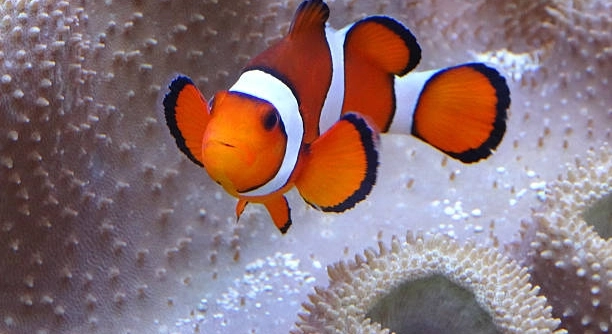
Keeping a clownfish tank healthy and vibrant requires attention to detail and proper care. Over time, even the best-maintained tanks may show signs that an upgrade is needed to support your fish’s wellbeing. Recognizing these signs early can help maintain a balanced environment.
Upgrading a clownfish tank becomes necessary when water quality declines, the tank size no longer accommodates growth, equipment ages, or the ecosystem becomes unstable. These factors impact the fish’s health and require timely improvements for optimal living conditions.
Knowing when to upgrade your tank ensures your clownfish stay healthy and comfortable. The following points highlight important clues to watch for in your aquarium setup.
Poor Water Quality
Poor water quality is one of the most common signs that your clownfish tank needs an upgrade. Over time, waste builds up in the tank, and filtration systems may no longer be effective enough to keep the water clean. When water parameters like ammonia, nitrite, and nitrate levels rise, it stresses the fish and can cause health problems. Even regular water changes might not be enough if the tank is too small or the equipment is outdated. Sometimes, algae growth increases, making the tank look cloudy or green. This is a clear indication that the tank’s environment is unbalanced. Keeping water quality high is essential for clownfish, which are sensitive to changes. Upgrading to better filtration, increasing tank size, or refreshing the tank setup helps maintain cleaner water and a safer habitat.
If you notice cloudy water or strong odors, it’s time to check your tank’s condition carefully.
Upgrading your filtration system and increasing water volume both help improve water quality. A larger tank dilutes waste more effectively, reducing toxin buildup. Adding a protein skimmer or better mechanical filters can remove debris and dissolved organic matter. Upgrading equipment also means more reliable performance, which reduces the risk of sudden water quality drops. Testing water regularly with kits ensures that any changes are noticed early. It’s also important to avoid overfeeding, which adds to waste. When the tank environment is stable, your clownfish will be healthier and more active. Taking these steps keeps the water clear and safe, allowing your fish to thrive without stress.
Tank Size and Fish Growth
A tank that feels cramped limits your clownfish’s growth and comfort.
Clownfish grow over time, and small tanks can restrict their movement and increase stress. Limited space affects water quality and can cause aggression among fish. Upgrading to a larger tank gives them room to swim freely and establish territory. A bigger tank also provides better stability in temperature and water chemistry. More space means easier maintenance, reducing sudden changes that harm fish health. When your clownfish begin to show signs of stress or reduced activity, it’s a clear sign your tank may be too small. Upgrading helps create a balanced environment where your clownfish can grow naturally and live longer.
Equipment Aging and Malfunction
Older equipment can fail without warning, putting your clownfish at risk. Filters, heaters, and lights degrade over time, losing efficiency. A heater that no longer maintains stable temperatures or a filter that clogs quickly are red flags. If you find yourself fixing the same gear repeatedly, it’s often cheaper and safer to upgrade. Newer equipment is designed for better performance and energy efficiency. Proper lighting supports coral health if you keep live plants or anemones with your clownfish. Investing in updated equipment reduces maintenance headaches and ensures a consistent habitat. Upgrading prevents sudden failures that can cause stressful conditions or tank crashes.
Monitoring your equipment’s condition regularly helps you catch problems early. When parts show signs of wear, replacing them promptly supports a healthy aquarium environment.
Overcrowding Issues
Overcrowding leads to poor water quality and stressed fish. Too many clownfish in a small tank increases waste and competition for space.
Overcrowding causes frequent fights among clownfish, which can result in injuries or death. It also raises ammonia and nitrate levels, harming water quality. When too many fish share a limited space, it’s harder to maintain stable conditions. This environment makes it difficult for clownfish to find hiding spots or establish territories, increasing stress. Overcrowding also makes feeding tricky, as some fish may not get enough food while others overeat, adding to waste buildup.
To avoid overcrowding, upgrade your tank size to accommodate all inhabitants comfortably. More space means better water quality, reduced stress, and healthier clownfish. Adding filtration to support the increased bio-load helps maintain balance. If your clownfish population grows, an upgrade is essential for their wellbeing and the tank’s stability.
Signs of Disease and Poor Health
Visible signs of illness in your clownfish indicate tank problems that need attention.
Stress from a poor environment weakens fish immune systems, making them more prone to disease. Common symptoms include faded color, sluggish swimming, torn fins, or white spots. These issues often point to poor water quality, overcrowding, or outdated equipment failing to maintain ideal conditions. Upgrading the tank setup can improve overall health by providing cleaner water and more stable living conditions.
Ignoring health signs risks spreading disease to other fish. An upgraded tank with better filtration, proper temperature control, and enough space reduces stress factors that cause illness. Monitoring your clownfish daily helps catch problems early. Taking action through tank upgrades ensures a safer, healthier environment for your fish.
Lighting Problems
Poor lighting can affect clownfish health and tank appearance.
Old or inadequate lights may not support live plants or corals properly, impacting the tank’s balance.
Equipment Noise and Vibrations
Excessive noise or vibrations from pumps and filters stress clownfish. Constant disturbance can cause them to hide or become less active. Upgrading to quieter, more efficient equipment improves the tank environment. Modern equipment often runs more smoothly, reducing stress and creating a calmer habitat. This change benefits both the fish and your enjoyment of the aquarium.
Corrosion and Wear on Tank Components
Rust or damage on metal parts and fittings weakens the tank’s structure.
If you notice corrosion, it’s a sign to upgrade or replace parts to avoid leaks or breaks.
How often should I upgrade my clownfish tank?
There’s no fixed timeline for upgrading a clownfish tank. The need depends on factors like tank size, equipment age, fish growth, and water quality. Regularly checking your tank’s condition helps you spot signs early. If water parameters worsen, equipment fails, or fish outgrow their space, it’s time to consider upgrading. It’s better to upgrade proactively than wait for serious problems.
What size tank is ideal for clownfish?
A minimum of 20 gallons is recommended for a pair of clownfish. Larger tanks offer better stability and space for growth or additional fish. If you plan to keep other marine life or corals, consider increasing the size accordingly. Bigger tanks dilute waste more effectively and help maintain water quality, making them easier to care for in the long run.
Can I upgrade my tank without stressing the fish?
Yes, but it requires careful planning. Gradual changes reduce stress. Move your clownfish to a temporary holding tank during the upgrade if possible. When transferring them back, match the water temperature and chemistry closely. Avoid sudden temperature swings or water changes. Slowly introduce fish to the new environment to help them adjust smoothly.
What equipment should I upgrade first?
Start with filtration and heating systems. Good filtration keeps water clean and stable, which is vital for fish health. A reliable heater ensures temperature stays consistent. If your lighting is old or weak, upgrading it can support live plants and corals better. Pumps and air systems should also be checked regularly for noise or performance issues.
How can I tell if water quality is poor?
Cloudy or green water, strong odors, and frequent algae blooms indicate poor water quality. Testing kits that measure ammonia, nitrite, nitrate, and pH levels provide accurate results. Fish behavior is also a clue — if they seem lethargic, gasp at the surface, or show signs of illness, water quality might be off. Frequent water changes help but may not be enough without upgrades.
Is it better to upgrade the whole tank or just parts?
It depends on the tank’s condition. Sometimes, replacing filters, heaters, or lights solves problems without a full tank upgrade. But if the tank is too small or heavily damaged, a full upgrade is wiser. Bigger tanks and new equipment improve long-term stability. Evaluate your needs and budget before deciding.
Can overcrowding cause permanent damage?
Yes, overcrowding stresses fish and can lead to lasting health issues or death. It increases waste, lowering water quality and causing disease outbreaks. Crowded conditions prevent fish from establishing territories, leading to aggression. Upgrading tank size or reducing fish numbers helps restore a healthy environment.
How do I maintain water quality after upgrading?
Continue regular water testing and partial water changes. Clean filters according to manufacturer instructions without over-cleaning, which removes beneficial bacteria. Avoid overfeeding and monitor fish behavior daily. Proper maintenance keeps the upgraded tank stable and supports fish health over time.
What signs show equipment needs replacement?
Filters that clog often, heaters that don’t keep steady temperature, and lights that dim or flicker are signs equipment is failing. Unusual noises or vibrations also signal problems. Aging gear reduces efficiency and can harm fish. Replacing old equipment improves tank stability and lowers maintenance.
Are there benefits to upgrading beyond fish health?
Yes, upgraded tanks look better and can be easier to maintain. New equipment often uses less energy and runs quieter, creating a more pleasant environment. A bigger tank provides space for plants, corals, or other species, enriching the habitat. Upgrading also supports long-term fish growth and behavior, making the aquarium more enjoyable.
Knowing when to upgrade your clownfish tank is important for keeping your fish healthy and happy. Over time, tanks can show clear signs that improvements are needed. Problems like poor water quality, overcrowding, or aging equipment all affect the environment inside the tank. If these issues are ignored, they can cause stress and illness in your clownfish. Upgrading your tank at the right time helps create a stable and safe home for your fish.
Upgrading does not always mean buying a completely new tank. Sometimes replacing or improving parts like filters, heaters, or lighting can make a big difference. It is important to pay attention to how your fish behave and how the tank looks. Cloudy water, strange odors, or changes in fish activity are good clues that something needs fixing. Upgrading your setup allows you to maintain better water quality and a comfortable living space for your clownfish.
Taking care of a clownfish tank requires regular checks and maintenance, but upgrading when needed is a key step in responsible care. A larger or better-equipped tank supports the natural growth and activity of your fish. It also reduces the chance of disease and stress caused by poor conditions. Being aware of the signs and acting on them ensures your clownfish can thrive in their environment. This helps keep your aquarium healthy and enjoyable over time.

Hello,
If you enjoy the content that we create, please consider saying a "Thank You!" by leaving a tip.
Every little bit helps us continue crafting quality advice that supports the health, happiness, and well-being of pets around the world, for pets of all shapes, sizes, and species.
We really appreciate the kindness and support that you show us!