
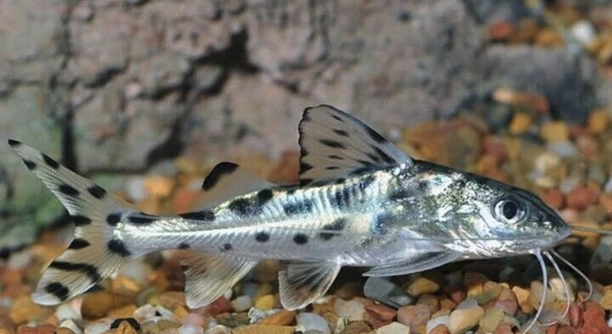
Are your Pictus catfish showing signs of stress or discomfort in their tank? Many fish owners notice subtle changes that suggest the tank setup may no longer be ideal. These signals can mean it’s time to think about rearranging the tank environment.
Rearranging a Pictus tank is necessary when the fish display behavioral changes, when decorations or plants block swimming space, when water flow is uneven, or when the current layout limits natural hiding spots and exploration opportunities. Adjusting the tank can improve fish health and comfort.
Recognizing these signs early helps maintain a healthy habitat and a happier Pictus catfish community in your aquarium.
Fish Showing Signs of Stress or Unusual Behavior
When your Pictus catfish start hiding more than usual or seem restless, it’s a clear sign they may be uncomfortable. Sometimes they stop eating or swim near the surface, which can mean the tank setup isn’t right. Pictus cats need enough space to swim freely and places to hide when they feel threatened. If the tank decorations block their movement or make them feel trapped, it can cause stress. Stress weakens their immune system and makes them more likely to get sick. Paying attention to these behavior changes helps you act before the situation worsens. Rearranging the tank can improve water flow and create a better environment for your fish to feel safe and active. Small changes can make a big difference in their daily life, so don’t ignore signs that something might be off.
Making space and adding hiding spots can reduce fish stress and encourage natural behaviors.
Keeping your Pictus catfish comfortable means watching how they act and making their tank a better place. Changes in behavior often come from tank layout problems, so rearranging decorations or plants to open up swimming paths can help. Adding smooth rocks or driftwood as hiding spots helps the fish feel secure. Adjusting the tank also improves oxygen flow and cleanliness, both important for fish health. Simple adjustments can bring back their usual lively personality.
Decorations Blocking Swimming Space
Pictus catfish are active swimmers and need plenty of open space to move around. If the tank is crowded with decorations, plants, or large rocks, they can feel confined and stressed. Too many obstacles block their usual swimming routes, limiting exercise and causing frustration. Rearranging the tank to create wider paths allows the fish to explore and swim naturally. It’s important to balance hiding spots with open areas, so the fish don’t feel trapped but still have places to rest.
Crowded tanks reduce fish activity and well-being.
To fix this, remove or reposition bulky decorations and avoid piling too many plants in one area. Make sure there are clear swimming lanes and that hiding spots don’t block the tank’s middle space. This balance keeps the tank lively and comfortable for Pictus catfish, encouraging healthy movement and reducing stress. An open layout helps maintain good water flow, which is essential for keeping the tank clean and oxygenated. When your fish can swim freely without feeling squeezed, they are more active and display better natural behavior. Rearranging with their needs in mind benefits both the fish and the overall tank health.
Uneven Water Flow in the Tank
Uneven water flow can stress your Pictus catfish, making some areas uncomfortable. They prefer a gentle, consistent current that helps oxygenate the water without being too strong.
Poor circulation can cause debris to collect in corners, reducing water quality and making the fish avoid certain spots. Rearranging decorations or adjusting filters can help create a more even flow. Removing large objects blocking water movement improves circulation, which benefits the whole tank ecosystem. Proper water flow also supports healthy bacteria growth, essential for breaking down waste and keeping water clean.
If water currents are too strong near certain decorations, fish may avoid these areas, limiting their swimming space and causing stress. Adjusting the tank layout or filter placement ensures a balanced flow, encouraging the fish to explore the entire tank freely and comfortably.
Limited Natural Hiding Spots
Pictus catfish need places to hide to feel safe and reduce stress. A tank lacking enough natural hiding spots can make them nervous and less active. Hiding spots should mimic their natural environment with rocks, plants, or driftwood.
Adding or rearranging these elements helps the fish feel secure, encouraging normal behavior like resting and exploring. Without enough cover, fish can become skittish or hide constantly, which affects their health negatively.
Providing a variety of hiding places supports their need for shelter while allowing space for swimming. Adjusting the layout to include more natural structures can reduce aggression between fish and improve overall tank harmony. It also helps simulate their natural habitat, promoting comfort and well-being.
Overcrowded Tank Conditions
Too many fish or decorations can overcrowd the tank, limiting space for Pictus catfish to swim and explore. Overcrowding raises stress levels and can lead to poor water quality.
Reducing decorations or fish numbers improves space and water conditions, making the environment healthier for your catfish.
Changes in Water Quality
Poor water quality often shows when the tank isn’t rearranged to maintain good flow and cleanliness. Waste buildup or leftover food trapped in decorations can increase toxins. Regular rearranging and cleaning prevent harmful conditions, ensuring the tank stays safe and healthy for your Pictus catfish.
Fish Not Exploring the Tank
If your Pictus catfish stay in one spot and avoid swimming around, it might mean the tank layout isn’t right. Rearranging can encourage more movement and natural behavior.
FAQ
How often should I rearrange my Pictus tank?
Rearranging your Pictus tank isn’t something you need to do frequently, but it’s important to make changes when you notice signs of stress or discomfort in your fish. Typically, rearranging every few months can help keep the environment fresh and stimulating. However, if you see behavioral changes, poor water flow, or buildup of waste around decorations, it’s time to act sooner. Keeping an eye on their behavior and tank conditions will guide you on the right timing.
What are the safest decorations to use in a Pictus tank?
Safe decorations for Pictus catfish include smooth rocks, driftwood, and live or silk plants. Avoid sharp or rough objects that can injure their delicate barbels and fins. Decorations should not have small parts that could be swallowed. Also, make sure any rocks or wood you add are aquarium-safe and properly cleaned. These natural items provide hiding spots and enrich the environment without risking harm.
Can rearranging stress my fish?
Yes, rearranging the tank can stress Pictus catfish if done too often or suddenly. It’s best to make gradual changes rather than moving everything at once. Try to keep some familiar elements in place to help the fish feel secure. After rearranging, watch their behavior closely and give them time to adjust. Patience helps reduce stress and lets your fish settle into the new setup comfortably.
How do I know if my Pictus catfish are stressed?
Signs of stress include hiding excessively, refusing food, erratic swimming, or staying near the water surface. Stress can also weaken their immune system, making them prone to disease. If you notice these behaviors, check the tank environment and water quality. Sometimes rearranging the tank to improve space, hiding spots, and water flow can relieve stress.
What role does water flow play in Pictus tank health?
Water flow is very important because it helps oxygenate the water and move debris to the filter. Pictus catfish prefer moderate flow that mimics their natural river habitats. Too little flow can cause stagnant spots, while too strong a current can tire the fish. Adjusting decorations and filter placement to balance flow encourages healthy swimming and improves overall tank cleanliness.
Should I move plants or decorations during rearranging?
Yes, moving plants and decorations is often necessary to improve swimming space and water flow. When rearranging, try not to uproot too many plants at once, as this can stress both the plants and fish. Keep some familiar features to help fish feel secure. Rearranging with a goal to open swimming lanes and add hiding spots improves comfort and health for your Pictus catfish.
How can I make hiding spots more effective?
Effective hiding spots should be varied in size and shape, allowing the fish to choose based on their mood. Use natural materials like driftwood and rocks combined with plants to create sheltered areas. Avoid overcrowding these spots; fish need space to enter and exit easily. Rearranging to create multiple hiding places scattered through the tank helps reduce stress and encourages natural behaviors.
Is it okay to remove decorations during rearranging?
Yes, sometimes removing or reducing decorations is needed to prevent overcrowding. If some decorations block swimming paths or trap debris, it’s better to take them out. Fewer, well-placed decorations often work better than many crowded items. Removing unnecessary objects can improve water flow, cleanliness, and fish comfort, leading to a healthier tank environment.
Can rearranging help improve breeding chances?
Rearranging can help by providing better hiding spots and open swimming areas that mimic natural conditions. Pictus catfish look for safe places to lay eggs and prefer clean, well-oxygenated water. Adjusting the tank to balance these needs can encourage breeding behavior. However, other factors like water quality, diet, and tank mates also play major roles.
What should I do after rearranging the tank?
After rearranging, monitor your fish closely for signs of stress or injury. Avoid making sudden changes again for a while. Keep water parameters stable by performing regular maintenance. Make sure filtration and flow remain effective. Give your fish time to adjust to their new environment; they usually adapt well if changes are not too drastic.
Rearranging your Pictus tank is an important part of keeping your fish healthy and comfortable. Over time, tanks can become cluttered or unbalanced, which affects how your fish behave and feel. Making small changes in the layout can help improve water flow, create better hiding spots, and give your fish more space to swim. These changes can reduce stress and make your Pictus catfish more active and lively. It’s not necessary to rearrange the tank often, but paying attention to your fish and their environment will let you know when it’s time.
When you decide to rearrange, try to keep the changes gradual. Sudden and drastic shifts in the tank setup can confuse or stress your fish. Moving some decorations while keeping others familiar helps your fish adjust better. It’s important to balance open swimming areas with places to hide. Pictus catfish enjoy having shelter where they can feel safe, but they also need room to explore. Adjusting the tank with this balance in mind supports their natural behavior and overall well-being.
Maintaining good water quality and proper flow is just as important as the physical layout. Rearranging can help remove dead spots where debris collects and improve circulation. Regular cleaning and monitoring water parameters work hand in hand with a well-planned tank layout. Taking time to observe your fish after rearranging will help you understand their needs better. With thoughtful care and attention, your Pictus catfish will thrive in a comfortable, healthy environment that keeps them happy for the long term.

Hello,
If you enjoy the content that we create, please consider saying a "Thank You!" by leaving a tip.
Every little bit helps us continue crafting quality advice that supports the health, happiness, and well-being of pets around the world, for pets of all shapes, sizes, and species.
We really appreciate the kindness and support that you show us!