
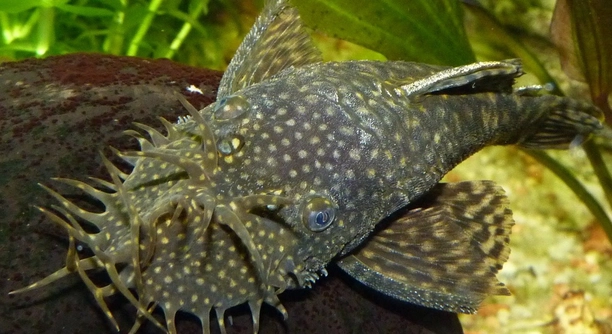
Is your pleco acting a little off, hiding more than usual, or not eating the way it used to? These small changes might be signs that something isn’t quite right with its environment or tankmates.
The most common signs that it’s time to move your pleco include stress from overcrowding, territorial disputes, poor water quality, lack of hiding spots, stunted growth, injury, or sudden behavior changes. Observing these signals early is important.
Understanding these signs will help you decide when a tank change is needed for your pleco’s health, comfort, and long-term care.
Sign #1: Your Pleco Is Constantly Hiding or Acting Stressed
Plecos like to rest in shady spots, but if yours is hiding all day and rarely coming out to eat or explore, something may be off. Stress in plecos often comes from an environment that no longer meets their needs. This can include aggressive tankmates, bright lighting, or a lack of hiding spaces. You may also notice that your pleco is more skittish than usual or shows less interest in food. These changes usually mean it doesn’t feel secure. Moving your pleco to a quieter tank with more suitable conditions can help it feel safer, more active, and healthier. Watch for other fish harassing it or signs of damage to its fins or body. Stress can weaken your pleco’s immune system, making it vulnerable to illness. When hiding becomes the norm and not just a break from activity, it’s time to consider a new environment.
Persistent hiding is your pleco’s way of avoiding a problem it cannot escape in its current tank.
A tank upgrade with softer lighting, stable water conditions, and better cover can quickly reduce stress and help your pleco regain its calm, active nature.
Sign #2: There Are Signs of Injury or Missing Fins
Visible damage like torn fins, missing scales, or red patches around the body should never be ignored.
These injuries often mean your pleco is being picked on by other fish or struggling to find safe hiding places. In tanks where plecos share space with territorial species or aggressive bottom dwellers, fights can break out. Sometimes the damage is due to sharp decorations or poor tank layout that doesn’t accommodate the pleco’s size and movement. Even in peaceful tanks, plecos may outgrow the space and start bumping into objects, causing cuts or abrasions. If your pleco looks hurt or is healing slowly, consider moving it to a safer tank. Choose one with smooth decorations, enough space to turn easily, and calm tankmates that won’t compete for territory. Add caves or driftwood to create safe retreats. A clean, peaceful tank will give your pleco the space and time to heal properly and thrive without constant threats or injuries.
Sign #3: Your Pleco Has Outgrown the Tank
When your pleco seems cramped, struggles to turn around, or rests awkwardly, it’s likely too big for its current tank.
Plecos can grow much larger than many fishkeepers expect, with some species reaching over a foot long. A tank that once seemed spacious may quickly become too tight. Limited space can restrict movement and cause stress. This may lead to reduced appetite, sluggish behavior, or even aggression. A cramped tank also makes it harder to maintain good water quality, which can impact your pleco’s health. Upgrading to a larger tank with more open swimming areas and bigger hiding spots allows your pleco to move comfortably and act naturally. A spacious environment also reduces stress and encourages better eating and activity levels. Choosing a tank of at least 75 gallons for large pleco species is a good long-term choice for their well-being.
Tank size affects how your pleco behaves, grows, and stays healthy. Small tanks lead to more waste buildup, tighter territory, and less opportunity for normal behaviors. This can cause health problems that slowly build over time, like bloating, fin damage, or even organ stress. A larger tank isn’t just about space—it improves water stability, reduces aggression, and gives your pleco the comfort it needs to thrive.
Sign #4: There’s Too Much Aggression in the Tank
Frequent chasing, nipping, or blocking access to food can make your pleco feel unsafe. Aggression doesn’t have to be obvious to cause long-term stress and health problems.
Plecos are generally peaceful, but they don’t always get along with every fish. Fast swimmers may outcompete them during feeding, and territorial species may guard key hiding spots. Constant low-level aggression wears on plecos over time, even if there aren’t visible injuries. If your pleco starts eating less, hiding more, or showing signs of stress, it’s likely reacting to tension in the tank. Moving your pleco to a more peaceful tank setup can stop these problems from getting worse. Choose tankmates with calm behavior and enough space for each fish to claim territory without conflict. Provide extra hiding places to reduce direct confrontations. Once aggression is removed, your pleco will often recover quickly, return to normal routines, and show a more relaxed posture.
Sign #5: Water Quality Is Hard to Maintain
If ammonia or nitrate levels keep spiking, your tank may be too small or overstocked for your pleco. Frequent water issues stress plecos and increase the risk of illness, making a tank move a healthier option.
Even with regular cleaning, persistent water quality problems usually mean the system can’t handle the bio-load. Moving your pleco to a better-filtered, less crowded tank allows for more stable conditions and healthier living.
Sign #6: Your Pleco Isn’t Eating Normally
Loss of appetite often means something in the environment isn’t right. It could be stress from poor water conditions, a lack of hiding places, or food competition from faster tankmates. If your pleco used to eat consistently and now ignores its food, consider this a sign to act. A new tank with better conditions and fewer stressors can encourage healthy feeding habits. Plecos need a calm space where they don’t feel threatened or rushed. Once those needs are met, they usually regain interest in food and show better energy overall.
Sign #7: There’s a Lack of Hiding Spots
Without proper cover, plecos feel exposed and anxious. If you notice yours staying still in open areas or wedging itself into tight spaces, it’s time to upgrade to a tank with better hiding structures.
FAQ
What size tank does a pleco need?
The tank size for a pleco depends on its species. Small plecos may be comfortable in a 30-50 gallon tank, but larger species can grow to over a foot long, requiring 75-100 gallons or more. Providing a spacious tank helps prevent overcrowding, ensures better water quality, and reduces stress. The more room your pleco has to swim, the healthier it will be in the long run. Be sure to check your specific pleco species’ growth potential before setting up a tank.
How can I tell if my pleco is stressed?
Signs of stress in plecos include hiding more than usual, loss of appetite, darker coloring, or excessive swimming in a limited area. Stressed plecos may also show signs of physical damage like torn fins. If these signs appear, check for water quality issues, inappropriate tankmates, or lack of space. Stress can lead to weakened immune systems, making your pleco more susceptible to illness. Moving it to a more suitable environment can help reduce stress and promote healing.
Can plecos live with other fish?
Plecos are generally peaceful but do best with calm, non-territorial tankmates. Avoid aggressive fish or fast swimmers that might outcompete your pleco for food. Plecos are bottom-dwellers, so it’s also important to make sure they aren’t outcompeted for space. Some pleco species can even get along with other plecos, though it depends on the size of the tank and how much space is available. It’s always a good idea to observe interactions closely and move any aggressive or problematic tankmates.
What should I feed my pleco?
Plecos are primarily herbivores but also consume some protein. A healthy diet includes algae wafers, blanched vegetables like zucchini, cucumbers, and spinach, and occasional protein-rich foods like shrimp or worms. Offer a variety of foods to mimic their natural diet and promote healthy digestion. If your pleco is not eating, check the water quality and tank conditions, as these factors can affect appetite.
Do plecos need a filter?
Yes, plecos produce a lot of waste, which can quickly cause poor water quality. A strong filter is essential to keep the water clean and stable. You’ll need a filter that can handle the bio-load of the tank and maintain stable water parameters. Regular maintenance, including water changes and filter cleaning, is necessary to ensure the filter functions properly. Without a filter, your pleco’s environment could become polluted, leading to health problems.
Can I move my pleco to a new tank?
Yes, if the current tank is not suitable, moving your pleco to a new one is often the best solution. When transferring, make sure the new tank has similar water parameters and has been properly cycled. A sudden change in water conditions can shock your pleco, so it’s essential to monitor water levels closely. Adding hiding spots and providing a quiet environment can also help ease the transition.
How often should I change the water in a pleco tank?
For a tank with a pleco, perform a 25-30% water change every 1-2 weeks, depending on the tank size and the bio-load. More frequent water changes may be needed if the tank is overstocked. Regular water changes help maintain water quality, reduce toxins, and prevent algae buildup. If you have a high-quality filter, you may not need to change the water as often, but it’s essential to test the water regularly to ensure it’s safe for your pleco.
Why is my pleco not eating algae?
If your pleco isn’t eating algae, it could be due to several reasons. It might not be hungry, especially if it’s getting other foods. The algae in the tank could also be too sparse or not fresh enough for the pleco’s taste. Sometimes, plecos prefer other food options like vegetables or protein. In tanks with heavy algae growth, plecos might ignore it if they are overfed with other foods. If you rely on your pleco to keep algae under control, consider supplementing their diet with algae wafers to ensure they get the nutrients they need.
What kind of water does a pleco need?
Plecos thrive in warm, slightly acidic to neutral water. Most species prefer temperatures between 74°F and 80°F (23°C to 27°C) and a pH range of 6.5 to 7.5. Consistent water quality is crucial to your pleco’s health, so test the water regularly for ammonia, nitrites, nitrates, and pH. Plecos are sensitive to sudden changes in water parameters, so avoid drastic fluctuations in temperature or pH. Using a water conditioner to remove chlorine and chloramine is also recommended.
Do plecos need light?
While plecos don’t require intense lighting, they do need a natural day and night cycle. Keep the tank in a location where it gets natural light, but avoid direct sunlight to prevent algae overgrowth. If your tank is in a low-light area, use a low-wattage aquarium light on a timer to simulate a day/night cycle. Too much light can stress your pleco, while too little may hinder its ability to thrive.
Why is my pleco staying at the surface of the water?
If your pleco is staying near the surface, it could be struggling with low oxygen levels or poor water quality. Plecos tend to stay near the surface when they’re searching for more oxygen or feeling unwell. Check your filter to ensure it’s working properly and test the water for any imbalances. If the pleco continues to stay at the surface, it may be experiencing health issues, and a water change or tank move could help.
How can I help my pleco recover from stress?
To help your pleco recover from stress, start by addressing any issues in its environment, such as water quality, tankmates, or available hiding spots. Ensure the water temperature and pH levels are stable and within a safe range. Reducing stress can involve giving your pleco more space, increasing hiding spots, and limiting sudden changes in its environment. Patience is key; once the stressors are addressed, your pleco will gradually return to its normal behavior.
Final Thoughts
Moving your pleco to a new tank can be a helpful solution when it shows signs of stress or health issues. A change in environment, whether it’s due to tank size, water quality, or the presence of other fish, can greatly improve its well-being. Plecos are sensitive creatures, and providing the right conditions is key to their long-term health. Keeping an eye on factors like tank size, water quality, and tankmates will help ensure your pleco stays happy and healthy.
The process of moving a pleco should be done with care. It’s important to ensure that the new tank has stable water parameters that closely match the current ones. Sudden changes in water conditions can shock your pleco, so gradual adjustments are recommended. After moving your pleco, monitor its behavior for signs of improvement or stress. It’s also a good idea to keep an eye on the water quality and make adjustments as necessary to maintain a stable environment. If your pleco is showing any signs of illness, it’s best to act quickly to avoid further complications.
Finally, always remember that your pleco’s comfort is paramount. While they are hardy fish, they still require attention to detail in their care. Keeping your pleco in a well-maintained tank with appropriate water conditions, space, and a balanced diet will help it thrive. Regularly checking water quality, offering proper food, and ensuring a peaceful environment will ensure that your pleco stays healthy and happy in its home. If you keep these factors in mind, your pleco will likely enjoy a long and healthy life.

Hello,
If you enjoy the content that we create, please consider saying a "Thank You!" by leaving a tip.
Every little bit helps us continue crafting quality advice that supports the health, happiness, and well-being of pets around the world, for pets of all shapes, sizes, and species.
We really appreciate the kindness and support that you show us!