
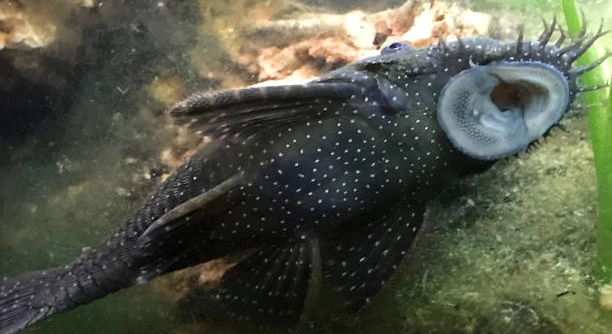
Keeping your pleco tank clean is essential for maintaining a healthy environment for your fish. Regular maintenance ensures that water quality stays optimal and prevents any harmful buildup. Knowing when to clean is key for a thriving tank.
The most obvious signs it’s time to clean your pleco tank include cloudy water, increased algae growth, or a noticeable fish odor. Dirty tank conditions can also lead to stress for your plecos and other aquatic life, affecting their health.
Cleaning your pleco tank at the right time will help improve water quality and keep your aquatic pets happy and healthy.
Cloudy Water Is a Clear Indicator
Cloudy water is one of the first signs that your pleco tank needs cleaning. It usually occurs when there’s an excess of uneaten food, fish waste, or decaying plants. Over time, these particles accumulate and cloud the water, making it hard for your plecos to thrive in the tank.
A simple water change can help clear the cloudiness, but regular cleaning of the substrate and filters is essential to prevent it from coming back. If the tank remains cloudy despite water changes, it could be a sign of a deeper problem, like an issue with the filtration system or excessive waste build-up.
Clearing cloudy water not only improves the aesthetic of the tank, but it also supports your plecos’ health by ensuring they have clean, oxygenated water. This is a vital step in maintaining a balanced environment for your aquatic pets.
Excessive Algae Growth
Algae growth in a pleco tank can quickly become overwhelming if not properly managed. Algae thrives when the tank has excess nutrients and poor lighting conditions. This can cause your plecos to feel stressed, as they are often in environments with lower algae levels in the wild.
Removing algae by scrubbing surfaces and adjusting light exposure helps prevent overgrowth. While plecos are known to eat algae, they can’t keep up with rapid growth in a tank. To control algae, consider reducing the light period or using a UV sterilizer to control algae blooms.
Incorporating proper filtration and reducing overfeeding can help lower nutrient levels, preventing algae from taking over. By maintaining these steps, you’ll create a healthier environment for your plecos to flourish in.
Fish Odor is a Warning Sign
A foul fishy smell is a common sign that your pleco tank needs attention. This odor is typically caused by the accumulation of organic waste, such as fish excrement, uneaten food, or decaying plants. Over time, these materials break down, leading to unpleasant smells that can indicate poor water quality.
If you notice the odor, it’s a sign that your tank may not be filtering properly or that a cleaning session is overdue. A thorough water change, cleaning of the tank walls, and removing debris from the substrate will help reduce the smell. Additionally, check and clean the filter to ensure it is operating efficiently.
By regularly cleaning your tank and removing any excess organic matter, you can prevent foul odors and improve your pleco’s living conditions. Clean water promotes a better environment for your plecos, reducing stress and encouraging natural behaviors.
Increase in Fish Stress
If your plecos are visibly stressed, it could be due to dirty tank conditions. Stress is often linked to poor water quality, overcrowding, or an unhealthy environment. If they’re hiding more than usual or showing signs of lethargy, it’s time to check the tank.
Dirty water or unclean surfaces can contribute to stress. When the tank isn’t regularly cleaned, toxins build up in the water, making it harder for plecos to thrive. Plecos are sensitive to changes in their habitat, and prolonged exposure to poor water quality can weaken their immune system.
To reduce stress, perform regular water changes, remove waste, and clean the filters. By maintaining a clean environment, your plecos will feel safer, reducing their stress levels. This ensures they remain active, healthy, and content in their habitat.
Dirty Substrate
A dirty substrate can quickly affect the overall health of your pleco tank. Waste and leftover food can settle at the bottom, creating an unhealthy environment. Over time, this accumulation of organic matter can deteriorate water quality, leading to harmful effects on your fish.
Vacuuming the substrate regularly is essential to remove trapped debris. Ensure the gravel or sand is kept clean to prevent harmful bacteria buildup. A clean substrate promotes better water filtration, which is crucial for keeping your tank balanced and your plecos healthy. The plecos may also forage in the substrate, but they can’t clean it by themselves.
If you notice a buildup of organic matter on the substrate, it’s time to clean it. Not only does this enhance water quality, but it also provides a more comfortable and safe living space for your plecos. Regular maintenance will prevent problems before they start.
Dirty or Clogged Filters
A clogged or dirty filter can seriously affect the quality of your pleco tank. Filters are essential for removing debris and toxins from the water, but they can become clogged with waste. When this happens, the filter loses its effectiveness, leading to poor water conditions.
Cleaning the filter regularly ensures that it continues to function properly. If you notice reduced water flow or increased waste buildup, check the filter for clogs. Regularly changing the filter media will also help maintain water quality and prevent the spread of harmful bacteria.
If you neglect the filter, your tank’s water will become polluted. This can lead to algae growth, poor water clarity, and stressed fish, ultimately affecting your plecos’ health.
Unstable Water Parameters
When the water parameters like pH, ammonia, and nitrate levels become unstable, it can cause significant stress for your plecos. Fluctuations in these levels often occur due to poor tank maintenance or overfeeding. Monitoring and adjusting these parameters is crucial for a healthy environment.
You should check the water quality at least once a week. If you notice drastic changes, perform partial water changes to stabilize the tank. Ensuring your pleco tank stays within the optimal parameters prevents stress and health issues for your fish, allowing them to thrive.
Overcrowding the Tank
Overcrowding can create problems for your pleco tank by increasing waste buildup and reducing the available space for each fish. When there are too many fish in one tank, oxygen levels decrease, and water quality deteriorates. This can lead to stress and disease in plecos.
To avoid overcrowding, ensure that the tank size is appropriate for the number of fish you have. Each pleco requires sufficient space to swim and access oxygenated water. Keeping the tank well-maintained with adequate filtration will help manage waste and improve water quality.
FAQ
How often should I clean my pleco tank?
Cleaning your pleco tank should be done regularly, but the frequency depends on several factors. Ideally, you should perform partial water changes and clean the substrate once a week. For tanks with high fish populations or larger plecos, more frequent cleaning may be necessary. Monitor your tank’s water clarity and smell, as these are indicators of when cleaning is needed. If you notice the water becoming cloudy or a build-up of algae, it’s time to clean. Additionally, check and clean your filter at least once a month to maintain optimal water quality.
Can I use a pleco to clean my tank?
While plecos are known for their algae-eating habits, they won’t clean your tank completely. They help control algae growth, but they can’t remove all debris, uneaten food, or waste from the substrate. You still need to clean your tank regularly. Plecos are great for helping with algae buildup, but a fully clean tank requires more than just their presence. Regular tank maintenance, including vacuuming the substrate and cleaning filters, is essential for keeping your tank healthy.
Is it okay to clean the tank all at once?
It’s best not to clean the tank too thoroughly all at once, as this can disrupt the tank’s ecosystem. Removing all the water, cleaning all surfaces, and replacing all filter media in one go can stress your plecos and disturb beneficial bacteria in the tank. Instead, clean the tank gradually. Perform partial water changes, clean the substrate, and change the filter media over time to avoid over-cleaning. This approach helps maintain water stability and reduces the risk of harming the fish.
Can I use soap to clean my pleco tank?
No, you should never use soap or any chemical cleaners to clean your pleco tank. Soap can leave behind harmful residues that are toxic to fish. Always use aquarium-safe cleaners or simply warm water to clean the tank surfaces, substrate, and decorations. If you need to remove stubborn algae or build-up, use a soft brush or sponge without any soap. After cleaning, rinse everything thoroughly to ensure no soap residue is left behind.
What should I do if my pleco seems stressed after a cleaning?
If your pleco appears stressed after cleaning, it’s usually because the tank’s environment has changed too suddenly. Plecos can be sensitive to water temperature, pH, and ammonia levels. After cleaning, ensure the water quality is within the ideal range for plecos. If the water parameters are off, perform a water change or add a water conditioner to help stabilize the tank. Make sure there’s no sharp change in temperature, and avoid making drastic changes to the tank layout, as this can also cause stress.
Can plecos live with other fish?
Yes, plecos generally get along well with other fish, as they are peaceful bottom-dwellers. However, make sure the other fish in the tank are not aggressive or territorial. Some fish may compete with plecos for space or food. It’s best to choose tank mates that are compatible in terms of size, temperament, and environmental needs. Avoid keeping plecos with small fish that may be nipped at or larger, more aggressive species that could harass them.
How do I know if my pleco is unhealthy?
Signs of an unhealthy pleco include lethargy, loss of appetite, abnormal swimming patterns, or visible wounds or lesions. If your pleco is not eating or seems to be hiding more than usual, it might indicate stress or poor water quality. Additionally, if you notice a change in their skin or fin condition, it may be due to a fungal or bacterial infection. Regular water testing and proper tank maintenance will help prevent these issues. If any of these symptoms persist, consult an aquarium professional or veterinarian for advice.
What is the ideal water temperature for plecos?
Plecos generally prefer warmer water with a temperature range of 72°F to 78°F (22°C to 26°C). Water that is too cold or too hot can cause stress, weakening your pleco’s immune system. Make sure the water temperature remains stable, as temperature fluctuations can also cause issues. Use an aquarium heater to maintain a consistent temperature and avoid sudden changes that could harm your pleco.
Do plecos need a specific type of tank setup?
While plecos aren’t overly demanding, they do have some specific needs. They prefer tanks with plenty of hiding spots, such as caves or driftwood, which simulate their natural habitat. They also require a tank with sufficient surface area, as they grow large and need room to swim. Adding live plants can provide additional shelter, but ensure the plants are tough enough to withstand their browsing. Additionally, keep the water well-filtered to maintain healthy conditions, as plecos are sensitive to water quality.
Can plecos help with algae control?
Yes, plecos are often introduced to tanks for their algae-eating abilities. However, while they will help reduce algae growth, they won’t completely eliminate it. Plecos are particularly good at eating the soft algae that forms on tank surfaces, but they might not consume all types of algae. It’s important to combine plecos with other algae control methods, such as regular tank cleaning, proper lighting, and controlling nutrient levels. Relying solely on plecos for algae control may not be sufficient in the long term.
Final Thoughts
Maintaining a clean and healthy pleco tank is essential for the well-being of your fish. Regular cleaning and monitoring the water quality are key to ensuring a thriving tank. While plecos can help with algae control, they are not a replacement for consistent tank maintenance. It’s important to stay on top of water changes, filter cleaning, and substrate vacuuming. Keeping your tank well-maintained will not only benefit your plecos but also create a better environment for any other fish or plants in the tank.
In addition to physical cleaning, monitoring water parameters such as pH, ammonia, and nitrate levels should be part of your regular routine. Stable water conditions are crucial for preventing stress and health problems in your plecos. Be mindful of overcrowding and ensure that the tank is the right size for the number of fish. A well-balanced tank with proper filtration will help keep harmful toxins at bay and provide your plecos with a healthy space to live.
Remember, keeping a pleco tank isn’t just about cleaning—it’s about creating an environment where your fish can thrive. Take time to learn about your plecos’ specific needs, such as their temperature preferences and diet. By staying consistent with cleaning, water quality, and overall tank health, you’ll be able to enjoy your plecos for years to come. Regular maintenance not only prevents issues but also gives you the opportunity to observe and enjoy your fish in a healthy, clean environment.

Hello,
If you enjoy the content that we create, please consider saying a "Thank You!" by leaving a tip.
Every little bit helps us continue crafting quality advice that supports the health, happiness, and well-being of pets around the world, for pets of all shapes, sizes, and species.
We really appreciate the kindness and support that you show us!