
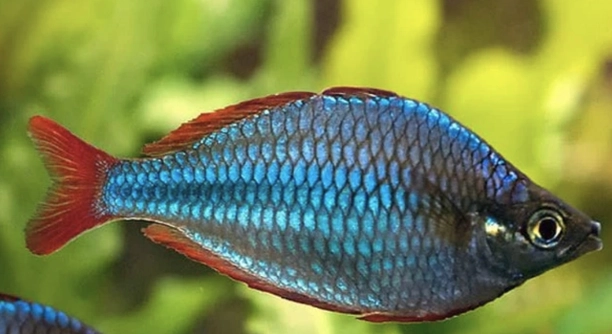
Are you noticing signs that your rainbow fish could use a change? It might be time to think about upgrading their home, environment, or even their care. Understanding when it’s time for an upgrade can improve their quality of life.
Upgrading your rainbow fish setup may be necessary if your fish appear stressed, overcrowded, or are outgrowing their environment. Additionally, a change in water quality, filtration system, or tank size could enhance their well-being and health.
By recognizing the signs that indicate your fish need more space or care, you can help them thrive in a healthier and happier environment.
Tank Size and Space Limitations
As your rainbow fish grow, they require more space. In a smaller tank, the fish may feel cramped and stressed, leading to health issues. The general rule is to provide at least 20 gallons of water for every two fish. If your tank is too small, it’s time to consider upgrading.
A cramped tank can hinder your fish’s ability to swim freely, affecting their physical and mental well-being. Without enough space, they may develop aggressive behavior or lose their bright colors. It’s important to keep an eye on their comfort and health.
Rainbow fish thrive in tanks where they have enough room to move and explore. A larger tank not only gives them space to swim but also helps maintain better water quality. Larger tanks are easier to manage, with less fluctuation in water parameters. When the fish feel less crowded, they will display healthier behaviors, including active swimming and vibrant coloring. A tank upgrade gives your fish the environment they need to live their best lives.
Water Quality and Filtration
If the water in your tank is frequently cloudy or the filter seems inadequate, it’s time to rethink your filtration system. Clean water is essential for your rainbow fish’s health and vibrancy.
Investing in a stronger filter will help keep the tank water fresh and clear, ensuring your fish aren’t exposed to harmful toxins. Proper filtration also promotes stable water conditions.
Overcrowding and Aggression
Overcrowding can quickly cause stress in your rainbow fish. When too many fish share a tank, they don’t have enough personal space, leading to aggression. If you notice fin nipping or hiding, it could be a sign your tank is overcrowded.
Rainbow fish are peaceful by nature, but they do need room to swim freely. In an overcrowded tank, they may feel threatened and display territorial behavior. Aggressive interactions can lead to injuries, which will further stress the fish. An upgrade to a larger tank can resolve these issues by reducing the density of the fish population.
When upgrading to a bigger tank, consider the adult size of your rainbow fish. A larger tank allows them to establish territories without conflict. A better arrangement also means less waste buildup, keeping water quality stable. Fish that aren’t stressed by overcrowding will be more active and colorful. They’ll also feel safer, which helps them live longer, healthier lives. Upgrading ensures a peaceful and more natural environment for your rainbow fish.
Inadequate Temperature Control
Temperature fluctuations can stress your rainbow fish. If the tank’s water isn’t consistently warm enough, your fish may start to act lethargic or lose their bright colors. Regular temperature monitoring and adjustments are essential.
If your aquarium heater isn’t powerful enough for the size of your tank, it could struggle to maintain the right temperature. This inconsistency can make your rainbow fish more susceptible to illness. Upgrading your heater or switching to a more efficient model will help regulate the temperature and prevent spikes or drops that can harm your fish. Consistent warmth supports their immune system and keeps them active.
Maintaining the right temperature range also supports the growth and development of plants and beneficial bacteria in your tank. A steady temperature encourages the rainbow fish to thrive. Without the stress of fluctuating conditions, your fish will enjoy better health, vibrant colors, and active behavior. Make sure to check your heater’s capacity based on your tank size, and adjust as needed to create a stable environment for your fish.
Lack of Natural Hiding Spots
Rainbow fish need places to hide to feel secure. If your tank is bare or lacks plants and decorations, they may become stressed. Providing these hiding spots can help them feel safer and more comfortable in their environment.
Adding rocks, plants, or driftwood not only gives your fish a place to hide but also mimics their natural habitat. Without such structures, your fish may spend more time hiding at the bottom or avoid interacting. When they feel secure, rainbow fish are more active and healthier, showing off their bright colors.
Tank Lighting
Proper lighting is crucial for your rainbow fish’s well-being. If the tank is too dim or overly bright, it can stress them out. They thrive with moderate, consistent lighting that mimics the natural day-night cycle.
Too much light can cause algae growth, affecting water quality and fish health. On the other hand, too little light may prevent your fish from thriving or impact their behavior. A timer and adjustable light setup will help create a more stable environment, promoting a natural rhythm for both your fish and plants.
Feeding Habits
Overfeeding can lead to water quality issues and unhealthy fish. If you notice uneaten food floating around or cloudy water, it’s time to adjust your feeding schedule.
Rainbow fish should be fed in small amounts, with food consumed within a few minutes. Overfeeding causes excess waste, which can harm water quality. Make sure to feed your fish the appropriate amount of food based on their size and tank conditions. A more controlled feeding schedule helps keep your tank cleaner and your fish healthier.
FAQ
How often should I upgrade my rainbow fish’s tank?
Upgrading your tank depends on the growth of your fish, their behavior, and the condition of the current setup. As your rainbow fish grow, they need more space. If you notice signs of overcrowding, aggression, or poor water quality, it’s time for a change. Generally, a tank upgrade is necessary when your fish have outgrown their current space or when their environment is no longer providing the conditions they need to thrive.
What is the best tank size for rainbow fish?
A minimum of 20 gallons is recommended for every two rainbow fish. This allows them enough room to swim freely and establish territories. If you have multiple fish, you’ll need a larger tank. A 55-gallon tank can comfortably house a school of six to eight rainbow fish, ensuring they have space to move and interact without overcrowding. Larger tanks also provide more stability in water parameters, making it easier to maintain a healthy environment.
Can rainbow fish live with other fish?
Yes, rainbow fish are generally peaceful and can live with many other fish species. They do well with other non-aggressive fish like tetras, guppies, or peaceful barbs. However, avoid housing them with overly aggressive or territorial species, as this can cause stress and aggressive behavior. It’s important to consider tank size and the other fish’s temperament when choosing tankmates. Rainbow fish prefer swimming in groups, so it’s ideal to keep at least six together.
How do I know if my rainbow fish are stressed?
Stress in rainbow fish can manifest in several ways. If they’re spending more time hiding, not eating, or showing signs of aggression toward each other, these could be signs of stress. They may also lose their bright colors, which is a clear indicator that something in their environment is off. Changes in behavior, such as erratic swimming or excessive hiding, can also be linked to poor water quality, overcrowding, or temperature fluctuations. If you notice these signs, consider upgrading your tank or improving their habitat.
What should I do if the water quality in my tank is poor?
If you’re facing water quality issues, the first step is to test the water for ammonia, nitrites, nitrates, and pH. Poor water quality often results from an insufficient filtration system or overfeeding. You can improve water quality by increasing the frequency of water changes, adding a better filter, and reducing feeding amounts. In severe cases, an upgrade to a larger tank or a more powerful filtration system may be necessary to maintain stable water parameters.
How can I tell if my rainbow fish need more hiding spots?
Rainbow fish, especially when stressed, often seek refuge in plants, rocks, or other hiding spots in the tank. If your fish are frequently hiding or appearing shy, it’s a sign they might need more shelter in their environment. Adding plants, caves, or driftwood gives them places to feel secure, especially if your tank is heavily lit or lacks natural structures. Creating a balanced environment with both open swimming areas and hiding spots can help reduce stress and allow your fish to thrive.
What temperature is best for rainbow fish?
Rainbow fish prefer a temperature range between 72°F and 80°F (22°C to 27°C). Consistent water temperature is key, as fluctuations can cause stress and make the fish more susceptible to illness. A reliable aquarium heater and thermometer will help maintain this range. It’s important to avoid sudden temperature changes, as this can shock the fish and cause health issues. If your tank is too cold, consider upgrading your heater to one that can handle your tank’s size more effectively.
How do I maintain the right lighting for my rainbow fish?
Rainbow fish thrive with moderate lighting that mimics their natural day-night cycle. Aim for around 8-10 hours of light per day to promote healthy fish behavior and plant growth. If your tank is too bright, it could encourage algae growth, which can harm water quality. On the other hand, too little light can affect the fish’s activity level and stress them. Use a timer for consistent lighting, and choose a lighting system that’s appropriate for your tank size and plant needs.
What should I do if my rainbow fish are not eating?
If your rainbow fish are refusing food, it could indicate stress, poor water quality, or a problem with the type of food being offered. First, check the water parameters and make sure they are within the recommended ranges. Also, ensure the food is appropriate for your rainbow fish’s diet. If they continue to refuse food, consider switching to a different type of food or feeding smaller portions more frequently. A tank upgrade may be necessary if the fish are stressed due to overcrowding or poor conditions.
Can rainbow fish live with live plants?
Yes, rainbow fish are known to do well with live plants. In fact, plants provide not only hiding spots but also help improve water quality by absorbing nitrates. Plants like java moss, hornwort, and anubias are good choices for a rainbow fish tank. Make sure to choose plants that are suitable for the light and temperature conditions of your tank. Live plants also contribute to a more natural environment, enhancing the fish’s overall well-being.
How do I know if my tank is too small for my rainbow fish?
If your rainbow fish are displaying signs of stress, such as erratic swimming, aggressive behavior, or a loss of color, your tank may be too small. Overcrowding leads to a lack of swimming space and poor water quality, both of which can negatively impact your fish’s health. If your fish appear to be outgrowing their space, or if there is too much waste buildup, consider upgrading to a larger tank. The more space you provide, the healthier and happier your rainbow fish will be.
How often should I change the water in my rainbow fish tank?
For optimal health, you should change 20-25% of the water every 1-2 weeks. Regular water changes help maintain good water quality by removing waste, uneaten food, and harmful chemicals. If your tank is overcrowded or the filtration system is not sufficient, you may need to change the water more frequently. Always make sure to treat tap water with a dechlorinator before adding it to your tank to avoid harming the fish. Regular water changes are an essential part of maintaining a healthy environment for your rainbow fish.
Final Thoughts
Upgrading your rainbow fish’s tank is an important decision that can significantly improve their health and well-being. Fish, like any pet, need a comfortable and stable environment to thrive. If your rainbow fish are showing signs of stress, overcrowding, or poor water quality, it might be time to consider upgrading their tank or making other adjustments to their environment. A larger tank with proper filtration, temperature control, and hiding spots will help your fish feel more secure and comfortable. Providing these basic needs ensures that your fish can live their best, healthiest life.
Before making any changes, it’s important to carefully assess the needs of your rainbow fish and the current state of their tank. If the tank is too small or the water conditions aren’t right, it could be time for an upgrade. Pay attention to signs like lethargy, loss of color, or aggression between fish. These behaviors often indicate that the tank is no longer suitable for their growing needs. Also, consider other factors like the presence of enough hiding spots, appropriate lighting, and good water quality. Small improvements in these areas can make a big difference in your fish’s overall health.
Ultimately, a tank upgrade isn’t just about the size of the tank but also about creating an environment that supports the fish’s natural behaviors. Rainbow fish are active swimmers, and they need plenty of space to move around. A well-maintained tank with clear water, stable temperature, and a peaceful atmosphere will not only help your fish stay healthy but also allow them to display their beautiful colors. By making the effort to improve their living space, you’re ensuring that your rainbow fish will thrive for years to come.

Hello,
If you enjoy the content that we create, please consider saying a "Thank You!" by leaving a tip.
Every little bit helps us continue crafting quality advice that supports the health, happiness, and well-being of pets around the world, for pets of all shapes, sizes, and species.
We really appreciate the kindness and support that you show us!