
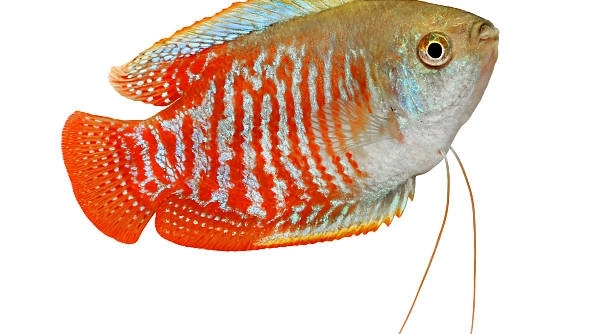
Gourami are peaceful fish often found in home aquariums. They usually try to avoid fights with other fish in their environment. Observing their behavior helps us understand how they keep harmony in the tank.
Gourami avoid conflict through subtle body language and movement, such as retreating to safe areas, lowering their fins, and reducing activity. These signs show a clear intention to prevent aggressive encounters and maintain social balance within their group.
Recognizing these signs helps fishkeepers support a calm and healthy aquarium environment for their gourami. Understanding their behavior improves care and reduces stress for these gentle fish.
Quiet Retreats and Hiding Spots
When gourami want to avoid conflict, one of the first things they do is seek out quiet places. They often swim away from the center of the tank and settle in plants, decorations, or corners. These retreats help them feel safe and less exposed to other fish that might be aggressive. You might notice your gourami spending more time in these spots when there’s tension in the tank. This behavior lowers the chance of encounters that could lead to fighting. By giving them plenty of hiding places, you help create a peaceful environment where they feel comfortable. It also reduces stress, which is important for their health and wellbeing. A calm gourami is more likely to display natural colors and behaviors, making your aquarium more enjoyable to watch. Observing these quiet retreats is a key sign that your gourami are managing their social space carefully.
This behavior is a simple but effective way gourami avoid confrontations and keep peace within their tank.
Providing sufficient plants and decor is essential for gourami to feel secure and stay away from conflicts.
Subtle Body Language
Gourami use subtle body movements to show they don’t want to fight. When tensions rise, they might lower their fins or avoid direct eye contact with other fish. Instead of showing aggression, they choose to stay still or move slowly. This kind of body language signals that they are not challenging others, which often prevents fights from starting. You can see this when a gourami turns sideways or flattens its body to look smaller and less threatening. These small signs are important because they help gourami communicate without violence. Understanding these behaviors allows you to recognize when your fish feel stressed and need extra care. Keeping the tank environment stable and avoiding sudden changes will support this peaceful communication among gourami and their tank mates. It also helps maintain balance within your aquarium community. When you notice this subtle body language, you know your gourami are trying to avoid conflict peacefully.
Avoiding Eye Contact
Gourami often avoid eye contact to prevent escalating tension. By not staring directly at other fish, they signal that they mean no harm. This subtle behavior helps reduce the chance of aggression in the tank.
When gourami avoid eye contact, it shows they are trying to stay peaceful. Direct staring can be seen as a challenge among fish, so looking away or focusing elsewhere helps calm the situation. This behavior is part of their natural social skills to avoid fights. You might notice a gourami turning its head or swimming slowly past other fish without locking eyes. This helps keep the group calm and reduces stress. Avoiding eye contact is a quiet but effective way to maintain harmony in the aquarium, especially when space is limited and fish must share close quarters.
This behavior also reflects their desire to stay out of trouble, showing respect for others’ space and avoiding unnecessary conflict.
Slow Movements
Gourami use slow, deliberate movements when avoiding conflict. Quick or sudden actions can provoke other fish, so slowing down helps keep things calm. They often glide gently instead of darting around.
Slow movements help gourami avoid drawing attention or appearing threatening. In a busy tank, fast swimming might look like a challenge or cause surprise, which could lead to aggression. By moving carefully and smoothly, gourami communicate that they want peace. You may see them hovering calmly near plants or decorations, moving just enough to stay balanced but not enough to attract notice. This cautious behavior also helps them conserve energy and reduce stress. When gourami slow down, they create a calmer environment for themselves and their tank mates, showing a clear intention to avoid conflict. It’s a gentle, natural way they protect themselves in shared spaces.
Retreating When Threatened
Gourami quickly swim away if they feel threatened. This is a clear way to avoid conflict and stay safe. They prefer to leave the area rather than fight.
This retreat helps reduce stress and keeps the peace in the tank. It also shows their natural instinct to protect themselves without aggression.
Hiding Behind Plants
Gourami often hide behind plants to avoid confrontation. This gives them a safe spot away from more aggressive fish.
Plants act as natural barriers, allowing gourami to observe without being seen. This behavior helps maintain calm and provides a refuge during stressful moments.
Reduced Activity During Conflict
When conflict arises, gourami often reduce their activity level. They become less active to avoid drawing attention or provoking others. This quiet behavior lowers chances of fights.
Changes in Color Intensity
Gourami may dull their colors to avoid conflict. Less vibrant colors help them blend into the environment and appear less threatening to other fish.
What does it mean when my gourami is hiding a lot?
When your gourami hides frequently, it usually means they are trying to avoid stress or potential threats in the tank. Hiding is a natural way for them to feel safe and secure, especially if there are aggressive tank mates or sudden changes in the environment. It’s their way of avoiding conflict without getting involved. Providing plenty of plants and decorations can help them feel more comfortable. If hiding becomes constant, though, it could indicate stress or illness, so it’s important to watch for other signs like lack of appetite or unusual behavior.
Why does my gourami avoid other fish?
Gourami avoid other fish mainly to prevent fights and reduce stress. They are peaceful by nature and prefer to keep to themselves rather than compete or show dominance. Avoiding direct interactions helps maintain harmony in the tank. If your gourami is consistently avoiding certain fish, it might be because those fish are more aggressive or territorial. Making sure the tank has enough space and hiding spots can help reduce tension and encourage a calmer atmosphere for all fish.
How can I tell if my gourami is stressed?
Signs of stress in gourami include hiding more than usual, losing color brightness, swimming erratically, or refusing food. They might also show rapid gill movement or cling to surfaces. Stress often results from poor water quality, overcrowding, or aggressive tank mates. Monitoring water parameters regularly and providing a calm environment can help reduce stress. When gourami feel safe, they are more likely to display their natural behaviors and vibrant colors.
Can gourami live peacefully with other fish?
Yes, gourami can live peacefully with many other fish, especially other non-aggressive species. They do best with fish that are similar in size and temperament. Avoid keeping them with very aggressive or overly active fish, as this can cause stress and conflict. Creating a balanced community tank with plenty of plants and hiding places helps gourami feel secure and reduces the chance of fights. Always observe how fish interact when first introduced to make sure everyone gets along.
What should I do if my gourami is being bullied?
If your gourami is being bullied, first check the tank setup. Adding more plants and hiding spots can give your gourami safe areas to escape. Sometimes rearranging decorations helps reset territorial boundaries. You might also need to separate aggressive fish or move your gourami to a calmer tank temporarily. Reducing overcrowding and keeping water quality high also supports their health during stressful times. Watching the fish closely helps you understand when intervention is necessary to keep your gourami safe.
Why does my gourami change color when stressed?
Gourami often lose their bright colors or become dull when stressed. This color change is a natural response signaling discomfort or fear. Stress factors include poor water conditions, bullying by other fish, or sudden environmental changes. Healthy, relaxed gourami show vibrant colors, so noticing dullness can help you identify when they need better care. Improving their environment usually brings colors back and indicates the fish is feeling better.
How can I reduce conflict in my gourami tank?
To reduce conflict, provide plenty of hiding spots using plants and decorations. Keep the tank spacious enough for all fish to have their own area. Avoid overcrowding and choose peaceful tank mates that won’t provoke your gourami. Maintaining good water quality is also important, as poor conditions increase stress and aggression. Observe fish behavior regularly to spot early signs of tension and adjust the environment as needed. A calm, well-planned tank keeps gourami comfortable and less likely to fight.
Do gourami show signs before a fight?
Yes, gourami often display warning signs before a fight. These include flaring their fins, raising their bodies, and intense staring. They might also swim aggressively toward another fish or chase them briefly. However, many times they will avoid direct conflict by retreating or showing submissive body language instead. Understanding these signs helps you intervene early by adjusting the tank or separating aggressive fish before fights escalate.
Is it normal for gourami to be shy?
Gourami can be shy, especially when first introduced to a new tank or environment. Shyness often lessens as they get used to their surroundings and other fish. Providing a quiet, stable environment with lots of hiding spots encourages gourami to feel secure. Over time, shy gourami may become more active and social. Patience and a calm tank atmosphere help them settle in and show their true personalities.
How often should I check my gourami’s behavior?
Regularly watching your gourami’s behavior is important for their wellbeing. Checking daily allows you to spot any changes quickly, like hiding more, unusual swimming, or loss of appetite. These changes can signal stress, illness, or conflict. Keeping a close eye on their interactions with other fish helps you maintain a peaceful tank. Consistent observation is one of the best ways to ensure your gourami stay healthy and happy.
Gourami are peaceful fish that try to avoid conflict in their aquarium homes. They use many subtle ways to keep the peace, like hiding, avoiding eye contact, and moving slowly. These behaviors help gourami stay safe and reduce stress. When they feel threatened or uncomfortable, gourami prefer to retreat rather than fight. Giving them plenty of plants and places to hide helps create a calm environment. This peaceful space supports their natural behavior and keeps them healthier. Watching how your gourami act can tell you a lot about their comfort level and if anything in the tank needs to change.
Understanding the signs gourami use to avoid conflict is important for anyone who keeps them. When gourami lower their fins, hide behind plants, or dull their colors, they are showing they want to stay away from trouble. These actions are natural and not a sign of weakness, but rather a way to keep peace. Keeping the tank peaceful means less stress for all fish and a better chance for them to thrive. Avoid overcrowding and aggressive tank mates to help your gourami feel safe. Also, maintaining good water quality plays a big role in reducing stress and preventing problems.
By paying attention to your gourami’s behavior and needs, you can provide a better home for them. Creating a calm and comfortable aquarium helps your gourami stay happy and healthy. Remember, these fish are gentle by nature and do not like fighting. Supporting their natural instincts to avoid conflict will make a big difference. When gourami feel secure, they show their true colors and unique personalities. Taking small steps to reduce tension in the tank makes your aquarium a peaceful place for all its inhabitants. This care helps you enjoy watching your gourami for a long time.

Hello,
If you enjoy the content that we create, please consider saying a "Thank You!" by leaving a tip.
Every little bit helps us continue crafting quality advice that supports the health, happiness, and well-being of pets around the world, for pets of all shapes, sizes, and species.
We really appreciate the kindness and support that you show us!