
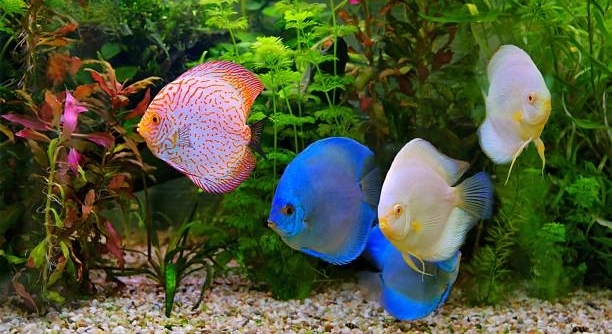
Discus fish are beautiful and popular aquarium pets known for their vibrant colors and calm behavior. Many hobbyists enjoy watching them grow and thrive in their tanks. One exciting phase is when discus prepare to lay eggs, which can be a sign of a healthy and well-maintained environment.
Discus about to lay eggs show clear behavioral and physical signs, such as increased territoriality, cleaning of flat surfaces, color intensification, reduced feeding, and pairing off. Recognizing these signs helps aquarists provide optimal care during breeding periods.
Learning to spot these signs will help you better care for your discus and support their breeding process. Observing their behavior closely can make a big difference in success.
Increased Territorial Behavior
Discus fish often become more territorial when they are about to lay eggs. You might notice them guarding a specific area in the tank more aggressively than usual. This behavior helps protect the spot where they plan to deposit their eggs. They may chase away other fish or become restless if someone comes too close to their chosen area. This change in behavior can last for several days. It is important to provide enough space and hiding spots to reduce stress. Watching these changes helps you prepare the tank environment for breeding. You may also see the pair spending more time together near the chosen site. This increased protectiveness is a clear sign that spawning is near.
Territoriality is a key behavior signaling discus readiness to lay eggs and defend their future offspring.
Providing a calm and stable environment supports their natural instincts and helps ensure a successful breeding period. Clear tank boundaries and minimal disturbance are essential during this time.
Cleaning Flat Surfaces
Before laying eggs, discus fish will start cleaning flat surfaces in the tank. This behavior is part of their preparation for spawning. They use their mouths to rub and clear off dirt, algae, or debris from places like broad leaves, smooth stones, or tank walls. Cleaning ensures the eggs will have a safe and clean place to stick to. This activity can last a few days and is often done repeatedly by both fish in the pair. The cleaning is thorough and focused, showing their intent. Observing this can help you predict where the eggs will be deposited. It is helpful to have several flat surfaces available in the aquarium for this reason.
Providing smooth, flat surfaces like slate or broad leaves helps discus fish prepare comfortably for egg laying.
Ensuring these spots are clean and free of strong chemicals supports healthy spawning conditions. It also reduces the risk of fungus or other issues affecting the eggs later on.
Color Intensification
Discus fish often show brighter, more intense colors when preparing to lay eggs. This change is a natural part of their breeding behavior and signals readiness.
The colors become richer and more vibrant, especially around the body and fins. This helps the fish attract their mate and signal reproductive status. Both males and females can display this color boost, although it is usually more noticeable in one of the pair. The intensification can also indicate good health, as only healthy discus will show these brighter hues before spawning. Watching for this sign helps you know when the fish are ready to breed and can guide you in preparing the tank environment accordingly.
It’s important to maintain stable water conditions during this time, as stress can cause colors to fade quickly. Good nutrition also supports this natural color change.
Reduced Feeding
Discus often eat less or stop eating just before laying eggs. This change in appetite is common and signals their focus shifting toward breeding.
Reduced feeding happens because the fish prepare their bodies for egg development and spawning. Energy is redirected from digestion to reproduction. This can last for a few days, and it’s normal for the fish to seem less interested in food. Offering smaller amounts or softer foods may encourage eating without causing stress. It’s also important not to overfeed during this time, as uneaten food can pollute the water. Monitoring feeding habits helps you track their readiness to lay eggs and adjust care practices accordingly.
Keeping water quality high during this period supports their health despite lower food intake.
Pairing Off
Discus fish often pair off and spend more time together when they are about to lay eggs. This behavior shows bonding and readiness for spawning.
The pair may stay close, swim side by side, or clean the same surfaces together. This close interaction helps strengthen their connection before the eggs are laid.
Restless Behavior
Discus can become restless or more active just before laying eggs. This movement is part of their natural spawning behavior.
Increased swimming around the tank or frequent visits to cleaning spots are common signs. This restlessness usually lasts until egg laying begins.
Visible Egg Spots
Female discus sometimes develop small visible egg spots on their bodies when ready to spawn. These spots show egg development and are a clear sign of upcoming laying.
Egg spots usually appear near the abdomen or under the ventral fins. Their presence helps confirm the breeding stage of the fish.
How can I tell if my discus are ready to lay eggs?
You can tell your discus are ready to lay eggs by watching for specific signs. They become more territorial and protective of certain spots in the tank. They clean flat surfaces thoroughly and often pair off, staying close together. Their colors grow brighter, and females may show small egg spots. You might also notice reduced feeding and increased restlessness as they prepare. Observing these behaviors carefully helps you know when spawning is near and when to adjust care.
What kind of surfaces do discus prefer for laying eggs?
Discus usually choose smooth, flat surfaces for laying eggs. These can include broad leaves, flat stones, or even the aquarium glass. They clean these surfaces well before laying eggs to ensure they are free of debris and safe for the eggs to stick. Providing suitable surfaces like slate tiles or large plant leaves encourages successful spawning. Avoid rough or uneven areas, as discus prefer spots where the eggs can attach firmly.
How important is water quality during discus breeding?
Water quality is very important during discus breeding. Clean, stable water conditions reduce stress on the fish and help ensure the eggs and fry remain healthy. Regular water changes and proper filtration are essential. Parameters like temperature, pH, and hardness should stay consistent. Poor water quality can cause eggs to fungus or fry to become weak. Keeping the environment optimal supports the discus through the entire breeding process.
Why do discus stop eating before laying eggs?
Discus stop eating or reduce their food intake before laying eggs because their energy shifts toward reproduction. Their bodies prepare to produce and fertilize eggs, which lowers their appetite temporarily. This change is normal and usually lasts a few days. Offering smaller, easy-to-digest meals can help, but don’t force feeding. Keep an eye on their health and water quality during this period, as reduced eating can make them more vulnerable.
Can discus lay eggs without a male present?
Discus usually need a male and female pair to lay fertilized eggs. While a female might lay eggs alone, these eggs will not develop without fertilization. Unfertilized eggs will eventually be eaten by the parents or rot in the tank. Successful breeding requires a compatible pair, so it’s best to ensure you have both sexes when expecting eggs.
How long does it take for discus eggs to hatch?
Discus eggs typically hatch within 48 to 60 hours after being laid, depending on water temperature. Warmer water speeds up development, while cooler water slows it down. During this time, parents usually guard and care for the eggs by fanning them with their fins and removing any unfertilized or fungus-infected eggs. Maintaining good water conditions is critical to support healthy hatching.
What should I do after the eggs hatch?
After eggs hatch, the discus parents continue to care for their fry by keeping them close and fanning them with their fins to provide oxygen. The fry feed on the mucus secreted by their parents’ skin for the first several days. It’s important to keep the tank calm and clean during this time. Avoid disturbing the parents and fry. Once the fry grow, you can start introducing finely crushed foods to support their development.
How can I reduce stress for discus during breeding?
Reducing stress involves keeping water quality stable, avoiding sudden changes in temperature or lighting, and minimizing disturbances near the tank. Providing hiding places and enough space helps the fish feel secure. Feeding high-quality foods and maintaining a calm environment encourages natural breeding behaviors. Too much handling or tank activity can cause stress and interfere with egg laying or care. Patience and observation are key to successful breeding.
Do all discus pairs show the same signs before laying eggs?
Not all discus pairs show exactly the same signs before laying eggs, but many behaviors are common. Some pairs may be more aggressive or colorful, while others show more subtle changes. The timing and intensity of signs like cleaning, pairing off, or reduced feeding can vary by individual fish. It’s important to get to know your discus and watch for any changes that suggest they are preparing to spawn. Each pair has its own rhythm.
What if my discus lay eggs but then eat them?
Sometimes discus may eat their eggs, especially if the parents feel stressed or the eggs are unhealthy. This behavior can also happen if the parents are inexperienced. Poor water quality, disturbance, or lack of proper breeding conditions might cause this. To prevent egg eating, maintain clean water, reduce stress, and provide suitable surfaces. In some cases, removing eggs to a separate tank for incubation can help, but this takes away natural parental care.
When keeping discus fish, understanding their breeding behavior is important for successful care. Recognizing the signs that discus are about to lay eggs helps you provide the right environment at the right time. This can make the difference between a healthy breeding process and one full of stress or failure. Observing behaviors like increased territoriality, cleaning flat surfaces, and color changes gives clear clues about their readiness. Knowing these details allows you to prepare the tank with clean, flat spots and stable water conditions. It also helps you support the discus during the less active phases, like when they reduce feeding before laying eggs.
Providing proper care during the breeding period means paying close attention to water quality, tank cleanliness, and minimizing disturbances. Since discus can be sensitive, any sudden changes can cause stress and affect spawning success. Keeping the environment calm and stable encourages natural behaviors and increases the chance of healthy eggs and fry. It’s also important to allow the discus to pair off naturally and avoid mixing fish that are not compatible. Supporting their natural rhythms helps the fish feel secure and ready to breed. Feeding nutritious food before and after spawning also supports their health and energy levels.
Breeding discus fish can be a rewarding experience, but it requires patience and close observation. Not all pairs behave the same, so getting to know your discus’ unique signs is helpful. Remember that some fish may take longer or show more subtle changes. By carefully watching their behavior and keeping their environment stable, you create the best chance for a successful laying and hatching period. With time and care, you can enjoy watching your discus grow and develop new life in your aquarium. Understanding these final points helps you become a better caretaker and offers your discus the support they need throughout the breeding process.

Hello,
If you enjoy the content that we create, please consider saying a "Thank You!" by leaving a tip.
Every little bit helps us continue crafting quality advice that supports the health, happiness, and well-being of pets around the world, for pets of all shapes, sizes, and species.
We really appreciate the kindness and support that you show us!