
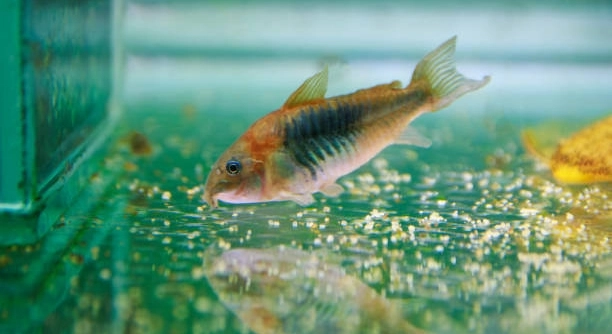
Corydoras catfish are peaceful and popular fish in many aquariums. Their unique behavior can reveal a lot about their well-being. Understanding how to tell if they are enjoying their tank setup can help ensure they thrive.
Corydoras catfish show signs of contentment through active swimming, exploring the tank, and interacting with other tankmates. Their behavior, such as darting and digging in the substrate, indicates they are comfortable and happy with their environment.
Recognizing these signs early helps in maintaining a healthy habitat. Monitoring their activity closely allows you to adjust their care to meet their needs.
Active Swimming and Exploration
When your Corydoras catfish are happy, they will often swim around their tank with energy and curiosity. Unlike some fish that prefer to stay in one area, Corydoras love to explore. Their active swimming helps them stay engaged with their environment. You’ll see them darting around, sometimes moving in groups, or swimming up and down. This kind of behavior means they are comfortable and feel safe in their tank. Corydoras also enjoy navigating the substrate, where they might burrow or sift through the sand. If you notice this type of behavior, it’s a good sign they are enjoying their setup.
A lack of movement can signal stress or poor water conditions, so it’s important to keep an eye on their activity. Corydoras that seem lethargic or stay hidden for long periods may not be happy with their setup.
To encourage this natural behavior, make sure your tank is set up with plenty of hiding spots and a soft substrate for them to dig through. They thrive in tanks that provide space to explore and engage with their surroundings. Providing these elements will keep your catfish physically and mentally active, improving their overall well-being.
Interaction with Tankmates
Corydoras are social fish and often enjoy the company of others. When they are happy in their tank, they’ll interact with tankmates, especially those of the same species. These fish tend to form small groups and move around together. If your Corydoras seem comfortable with other fish in the tank, this indicates they are enjoying their environment. However, if they show signs of aggression or hide from others, it could point to stress.
Social interactions are vital for their mental health, so maintaining peaceful tankmates can encourage positive behavior and help them feel secure. Corydoras can live peacefully with other peaceful species like tetras and mollies. It’s important to avoid keeping them with overly aggressive fish, as this can create a stressful atmosphere.
Ensuring a calm, communal tank setup where all fish can coexist harmoniously will keep your Corydoras happy and active. By observing how your catfish behave around others, you’ll have a better understanding of their comfort level in the tank. The right mix of companions and a stress-free environment makes all the difference for their health and happiness.
Digging and Sifting in the Substrate
Corydoras catfish are known for their love of digging and sifting through the substrate. If they’re constantly engaging in this behavior, it’s a good sign that they are comfortable in their tank. They use their barbels to search for food and explore the substrate, which is natural for them.
This behavior is essential for their well-being. In the wild, they sift through the sand to find small food particles. In your tank, they’ll use this instinct to root around for leftover food. Make sure the substrate is soft, like fine sand, to allow them to dig without harm. If they seem to be avoiding the bottom or not interacting with the substrate, this could signal an issue with the tank’s setup or water quality.
To encourage this natural digging behavior, add a layer of fine sand at the bottom of the tank. It gives them the opportunity to act on their instincts, which leads to a healthier and more active lifestyle. If they are avoiding this activity, consider checking your tank’s conditions and substrate type.
Healthy Appetite and Regular Feeding
Corydoras are active feeders, and they have a hearty appetite. When they are enjoying their tank setup, they will eagerly go after food at feeding times. Whether it’s sinking pellets, flakes, or live food, Corydoras will swim around the tank looking for meals.
A healthy Corydoras will show a noticeable enthusiasm when food is introduced. They are bottom feeders, so they often search the substrate for any leftover food. If they’re actively foraging or hunting for food in the tank, it’s a sign that they feel secure and are enjoying their environment. If they seem uninterested in eating or refuse food, it may indicate stress or poor water conditions.
To maintain their health, make sure to provide a balanced diet suited for bottom feeders. Keep their tank clean and monitor their eating habits regularly. If their feeding habits suddenly change, it’s worth checking for any signs of illness or stress factors affecting their appetite.
Clear Water and Good Filtration
Corydoras thrive in clean water, and they are sensitive to poor water quality. If the water in the tank is clear and the filtration system is working properly, it’s a sign that your Corydoras are happy and healthy. They prefer well-filtered tanks that have stable water parameters.
A good filtration system ensures that harmful toxins like ammonia and nitrites are removed, keeping the water clean and healthy. Corydoras are bottom dwellers, so if the tank water is cloudy or dirty, they may avoid exploring. A well-maintained tank with stable water conditions encourages them to stay active and explore their environment more.
Regular water changes and maintaining your filtration system are key to their health. If the water remains clear and clean, it’s likely that your Corydoras are comfortable in their setup, which leads to a happier and more active fish.
Temperature Consistency
Corydoras are sensitive to drastic temperature changes. A stable, warm temperature range between 72-78°F (22-25°C) keeps them comfortable. If your tank’s temperature fluctuates too much, they might become stressed.
A consistent water temperature is essential for keeping your Corydoras happy. Using a reliable heater can help maintain that temperature and ensure your catfish stay comfortable. When the water is too cold or too hot, Corydoras will often become inactive, which is a sign they are not enjoying the setup. If you notice your catfish are staying still or hiding more than usual, check the tank’s temperature.
Tank Decorations and Hiding Spots
Corydoras are not the type of fish to remain exposed for long. They feel safer and more at ease with hiding spots in the tank. The addition of decorations like caves, plants, or driftwood helps them feel secure in their environment.
Providing hiding places mimics their natural habitat, where they often seek shelter from predators. These hiding spots encourage them to move around and explore, while also reducing stress. When your Corydoras are hiding less and swimming actively, it’s an indication that they feel safe in their surroundings. Adding plants or caves is a simple way to enhance their sense of security.
FAQ
How do I know if my Corydoras catfish is stressed?
Stress in Corydoras can be shown through behavior changes. If your catfish is staying hidden more than usual, swimming erratically, or not eating, these are signs of stress. Poor water quality, sudden temperature changes, and aggressive tankmates can all contribute to stress. Also, if they seem to avoid moving around the substrate or don’t interact with others, it’s a red flag. Keep an eye on their behavior and consider checking the water parameters, temperature, and tank setup to ensure everything is in order.
What should I feed my Corydoras catfish?
Corydoras are bottom feeders, so they prefer sinking pellets, tablets, or live food. You can offer them high-quality sinking pellets designed for bottom dwellers. They will also enjoy small amounts of frozen or live foods like brine shrimp, bloodworms, or daphnia. Occasionally, you can supplement their diet with blanched vegetables like zucchini or spinach. Ensure that the food you provide sinks to the bottom, as Corydoras are not surface feeders. Overfeeding can lead to water quality problems, so feed them small amounts once or twice a day.
Can Corydoras live with other fish?
Yes, Corydoras are peaceful and do well with other non-aggressive species. They are commonly kept with other peaceful fish like tetras, mollies, and guppies. Avoid housing them with larger or aggressive fish, as they might get bullied or stressed. Corydoras thrive in a peaceful, community tank setup. It’s important to make sure the other fish in the tank do not outcompete them for food, as Corydoras spend most of their time at the bottom of the tank.
How often should I change the water in my Corydoras tank?
Water changes depend on your tank size and filtration system. As a general rule, aim for a 25-30% water change every 1-2 weeks. If your tank is heavily stocked or if the filtration is not strong, you may need to change the water more frequently. Always test the water for ammonia, nitrites, and nitrates to ensure the water quality is safe for your fish. Regular water changes help maintain stable water parameters and prevent toxins from building up, contributing to your Corydoras’ well-being.
What is the ideal tank size for Corydoras?
Corydoras are small fish, but they still need space to thrive. The minimum tank size for a small group of Corydoras is around 20 gallons. This provides enough room for them to swim, explore, and dig in the substrate. Larger tanks give more room for them to interact with tankmates and engage in natural behaviors. If you plan to keep more than a few Corydoras, consider going for a tank size of 30 gallons or more. The more space, the better for their overall health.
Do Corydoras need a filter?
Yes, Corydoras do best in tanks with good filtration. A filter helps maintain water quality by removing debris, excess food, and waste, which can otherwise lead to harmful toxins like ammonia. Corydoras are sensitive to poor water conditions, so a high-quality filter is essential for keeping the water clean and providing a healthy environment. Ensure the filter isn’t too strong, as Corydoras prefer slow-moving water. A sponge filter or a gentle hang-on-back filter is often a good option for them.
How can I make my Corydoras feel more comfortable?
To make your Corydoras feel at home, provide a soft substrate like fine sand, as they enjoy digging and sifting through the bottom. Adding plants, caves, and decorations gives them hiding spots and places to explore. Corydoras are social, so keeping them in groups of at least three to five will make them feel more secure. Maintaining stable water conditions with regular water changes, a reliable heater, and a gentle filtration system will help create an ideal environment for your Corydoras to thrive.
Are Corydoras catfish hardy?
Corydoras are relatively hardy fish, but they do require stable and clean water to thrive. They are sensitive to poor water quality, so regular maintenance and water testing are essential. As long as you maintain proper water conditions, feed them a balanced diet, and avoid sudden temperature fluctuations, Corydoras can live for several years. They can adapt to a wide range of water parameters, but it’s best to keep them in soft, slightly acidic to neutral water with a temperature between 72-78°F (22-25°C).
Can Corydoras catfish breed in an aquarium?
Yes, Corydoras can breed in an aquarium. To encourage breeding, ensure your tank has a stable, clean environment and the right water conditions. Corydoras usually breed in groups, with males courting females. When the female is ready, she will lay eggs on surfaces like plants, glass, or decorations, and the male will fertilize them. After the eggs are laid, remove any non-parental fish, as they may eat the eggs. The eggs will hatch in a few days, and the baby Corydoras, known as fry, will begin to swim freely shortly after.
Why are my Corydoras swimming at the top of the tank?
Corydoras are bottom-dwelling fish, so they should not normally swim at the top of the tank. If you notice them swimming near the surface, it could indicate low oxygen levels or poor water quality. Check your filter to make sure it’s working properly and consider adding an air pump to increase oxygen flow. It’s also a good idea to test the water parameters, especially ammonia and nitrate levels, to ensure they’re within safe limits. Stress from high temperatures or incompatible tankmates can also cause unusual behavior, so monitor these factors as well.
Final Thoughts
Corydoras catfish are generally hardy and peaceful fish, making them a great choice for many aquariums. Their small size and calm nature allow them to coexist well with other species in community tanks. However, like all fish, they require specific conditions to thrive. Ensuring that their tank is well-maintained, with proper filtration, stable water temperatures, and enough space to explore, will help them stay happy and healthy. When their environment is right, Corydoras can be active, engaging, and a delightful addition to your aquarium.
Observing the signs that your Corydoras are enjoying their setup can make a big difference in their long-term health. Active swimming, digging through the substrate, and interacting with their tankmates are all positive signs. If you notice a change in their behavior, such as hiding more often, being less active, or refusing food, it’s important to address any potential issues. Poor water quality, temperature fluctuations, or aggressive tankmates can contribute to stress, so regular water checks and tank maintenance are essential to keeping your Corydoras content.
In the end, Corydoras catfish are relatively easy to care for as long as you keep their basic needs in mind. Providing a clean, well-structured tank with enough hiding spots, a soft substrate for digging, and a peaceful environment will encourage their natural behaviors. With proper care, these charming bottom dwellers will thrive in your tank for many years, bringing beauty and life to your aquarium. Keep an eye on their health and behavior, and you’ll enjoy a happy and thriving group of Corydoras.

Hello,
If you enjoy the content that we create, please consider saying a "Thank You!" by leaving a tip.
Every little bit helps us continue crafting quality advice that supports the health, happiness, and well-being of pets around the world, for pets of all shapes, sizes, and species.
We really appreciate the kindness and support that you show us!