
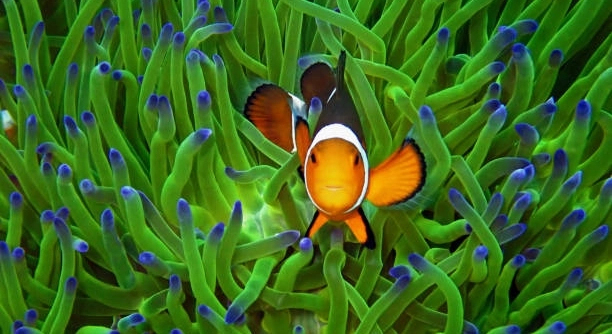
Clownfish are popular pets for many aquarium enthusiasts. Watching them grow can be exciting, but knowing when they need a bigger tank is important. This helps keep them healthy and comfortable in their environment.
Clownfish show clear signs when they outgrow their tank, such as increased activity, aggressive behavior, and limited space for swimming. These behaviors indicate the need for a larger habitat to support their well-being and natural growth.
Recognizing these signs early can prevent stress and health problems. Understanding their needs helps create a better home for your clownfish to thrive.
Increased Swimming Activity and Restlessness
When clownfish start swimming more actively than usual, it’s a clear sign they may need a larger tank. This restlessness can mean they feel cramped or stressed in their current space. Normally, clownfish swim calmly and spend time hiding or resting among the tank decorations. But if they suddenly swim faster, explore every corner, or pace along the tank walls, it suggests they are looking for more room to move freely. This behavior often happens because their current environment no longer meets their needs for comfort and exercise. Over time, cramped living conditions can affect their health and reduce their lifespan. Observing these changes early allows for timely action to provide a more suitable habitat that supports their natural behavior and growth. Ensuring they have enough space to swim and explore helps maintain their well-being and happiness in captivity.
This increased activity shows that your clownfish might be outgrowing their tank and need more space soon.
Giving clownfish a larger tank not only reduces stress but also encourages natural swimming patterns. More space allows them to establish territories and reduces aggressive behavior caused by overcrowding. It also improves water quality by diluting waste more effectively, which is important for their health. When upgrading, consider a tank that offers plenty of hiding spots and open swimming areas. Gradually introduce your clownfish to the new tank to minimize stress. A well-sized tank makes it easier to maintain stable water conditions, which are crucial for clownfish survival. Observing their behavior closely can help determine the best time to move them. Proper tank size supports their growth and overall well-being, creating a balanced and healthy environment.
Signs of Aggression and Territorial Behavior
Aggression in clownfish often indicates the need for a larger tank. When they start chasing or nipping at each other or other tank mates, space may be limited. This behavior can lead to injury and stress if not addressed quickly.
Territorial behavior grows as clownfish mature, especially in confined spaces. In a small tank, they compete fiercely for limited hiding spots and swimming areas, causing constant conflict. Larger tanks allow them to spread out, reducing tension and aggression. Providing separate territories helps each fish feel secure and less threatened by others. This can improve their social interactions and reduce stress-related health problems. Watching for increased fights or chasing is important to catch this early. Managing tank size and structure is key to maintaining harmony. Proper space supports natural social behavior and prevents aggressive outbreaks that harm both clownfish and their tank mates.
Limited Hiding Spaces
Clownfish need hiding spots to feel safe and reduce stress. If your tank feels too open or lacks enough places to hide, it’s a sign they need more room.
Without adequate hiding spaces, clownfish can become anxious and stressed. This stress weakens their immune systems and makes them vulnerable to disease. In a small tank, decorations or coral may not provide enough shelter for all the fish. When they cannot retreat from aggressive tank mates or bright lights, their behavior can become erratic. A larger tank allows you to add more natural or artificial hiding spots, such as rocks, plants, or caves. These spaces help clownfish feel secure and more at ease.
Adding proper hiding areas also encourages natural behavior, such as resting and breeding. It provides a sense of territory and safety, which helps reduce aggression. When clownfish feel secure, they display calmer swimming and interact more positively with their environment and other fish.
Changes in Appetite and Growth
Noticeable changes in your clownfish’s appetite or growth can indicate they need a larger tank. They might stop eating well or grow slower than expected in cramped spaces.
Restricted space can limit the availability of nutrients and proper circulation, which affects feeding behavior. When clownfish feel stressed due to overcrowding, they may lose interest in food or compete aggressively, preventing some from eating enough. Growth slows down because their environment does not support healthy development. A larger tank with more swimming room and improved water quality helps them feed better and promotes steady growth. Ensuring the tank size matches their needs supports their overall health and vitality. These changes are key indicators to plan for an upgrade soon.
Cloudy or Poor Water Quality
Poor water quality can signal that your tank is too small for your clownfish. Overcrowding leads to faster waste buildup, which lowers water quality quickly.
Maintaining clean water in a small tank is difficult. Ammonia, nitrites, and nitrates can rise rapidly, stressing fish and causing illness. A larger tank dilutes these toxins better and provides a more stable environment. Regular testing and maintenance become easier with more space, keeping your clownfish healthy and thriving.
Increased Territorial Fights
Territorial fights become more frequent when clownfish feel confined. Limited space forces them to compete for dominance.
In a cramped tank, aggressive behavior can escalate quickly, causing injury or stress. A bigger tank gives each fish room to claim territory and reduces conflicts. This improves the overall atmosphere and helps fish coexist peacefully.
Changes in Color or Appearance
Fading colors or changes in your clownfish’s appearance can indicate stress or poor living conditions. These signs suggest it’s time to consider a larger tank.
How do I know if my clownfish is stressed?
Signs of stress in clownfish include rapid breathing, hiding more than usual, loss of appetite, and erratic swimming. They may also show faded colors or develop white spots on their body. Stress often comes from poor water quality, overcrowding, or sudden changes in their environment. Watching for these signs regularly helps catch problems early and improve their living conditions.
What size tank is best for clownfish?
A single clownfish does well in a tank of at least 20 gallons. For a pair or small group, a tank of 30 gallons or more is recommended. Bigger tanks provide more swimming space, better water quality, and room for decorations and hiding spots. This setup supports natural behavior and reduces stress and aggression among clownfish.
Can clownfish live in a small tank?
Clownfish can survive in smaller tanks, but it is not ideal for their long-term health. Small tanks make it harder to maintain water quality and space, which can lead to stress and illness. For their well-being and natural growth, a larger tank is always better. It allows them to thrive and live longer.
How often should I change the water in my clownfish tank?
Regular water changes are essential. For small tanks, changing 10-20% of the water weekly helps maintain good water quality. In larger tanks, you might do 20-30% every two weeks. Frequent water changes help remove toxins and keep the environment stable, which is vital for clownfish health.
What are the signs that my clownfish is outgrowing its tank?
Signs include increased swimming activity, aggressive behavior, constant chasing, and difficulty finding hiding places. Your clownfish may also stop growing or show stress behaviors. If you notice these changes, it’s a good time to consider a larger tank to provide more space and reduce tension.
Is it stressful for clownfish to move to a bigger tank?
Moving can cause short-term stress, but with proper care, clownfish usually adapt well. To reduce stress, introduce them slowly by acclimating to the new water conditions. Avoid sudden temperature or water chemistry changes. A bigger tank improves their environment, so the benefits outweigh the brief adjustment period.
What should I look for in a new tank for my clownfish?
Choose a tank that offers enough space for swimming and hiding. Look for good filtration, stable temperature control, and proper lighting. The tank should be easy to clean and maintain. Also, consider the shape; taller tanks give vertical space, while longer tanks provide horizontal room to explore.
Can clownfish live with other fish in a larger tank?
Yes, clownfish can share a tank with peaceful species that won’t outcompete or harm them. A larger tank reduces aggression by providing enough space for all fish. However, avoid placing them with highly aggressive or much larger fish. Research compatible tank mates to ensure a balanced environment.
How does tank size affect clownfish breeding?
A larger tank provides the space and stability needed for breeding. It allows room for nesting and reduces stress that can prevent spawning. More space also supports fry growth by offering better water quality and hiding places. Breeding success improves when the environment mimics natural conditions closely.
What equipment is necessary for maintaining a larger tank?
A reliable filter, heater, and proper lighting are essential. A quality filter keeps water clean and oxygenated. A heater maintains a stable temperature around 75-82°F. Lighting supports coral and plant life if included. Additional tools like water test kits and automatic feeders help with routine care and monitoring.
How do I prepare my clownfish for moving to a bigger tank?
Start by gradually adjusting the fish to the new tank’s water conditions. Float their container in the new tank to equalize temperature, then slowly mix small amounts of new tank water into their current water. This reduces shock. Transfer the fish gently using a net, avoid sudden movements, and monitor them closely afterward.
Can tank size influence clownfish lifespan?
Yes, adequate tank size positively impacts lifespan by reducing stress and disease risks. Larger tanks provide better water quality and more space for natural behaviors. Cramped tanks often lead to shorter lifespans due to poor conditions and stress. Giving your clownfish a roomy home helps them live longer, healthier lives.
What are common mistakes when upgrading to a bigger tank?
Rushing the move without proper acclimation, overstocking the new tank, and ignoring water quality testing are common errors. Skipping proper cycling of the new tank can also harm fish. Take time to set up and stabilize the tank before introducing clownfish, and monitor their behavior closely after the move.
How can I make the bigger tank more comfortable for my clownfish?
Add plenty of hiding spots like rocks, coral, or plants. Keep water parameters stable and clean. Provide a variety of safe surfaces for clownfish to explore and rest on. Ensure the lighting mimics their natural environment. Creating a well-structured tank helps clownfish feel secure and reduces stress.
Are there any signs that mean it’s time to upgrade even if the clownfish seem fine?
Even if your clownfish appear healthy, slow growth, limited swimming space, or reduced breeding activity indicate the need for a larger tank. A bigger tank supports better water quality and overall well-being. Upgrading proactively prevents future problems and supports long-term health.
When keeping clownfish, providing the right tank size is important for their health and happiness. As clownfish grow and change, their needs also change. A tank that was once suitable might become too small over time. Paying attention to their behavior and environment can help you decide when it’s time to move them to a larger space. Offering enough room supports their natural swimming, reduces stress, and helps keep the water clean and safe. These factors work together to create a better home for your clownfish.
A larger tank gives clownfish more space to swim freely and establish territories, which reduces aggressive behavior. It also allows you to add more decorations or hiding spots that make them feel secure. When fish feel safe, they tend to show healthier behavior and live longer. Additionally, bigger tanks are easier to maintain in terms of water quality because they dilute waste more effectively. This lowers the risk of illnesses and keeps your clownfish comfortable. Watching for signs like increased activity, changes in appetite, or more fighting can guide you in deciding the right time to upgrade your tank.
Remember that upgrading to a bigger tank involves some planning and care. Moving clownfish can cause temporary stress, so it’s important to introduce them slowly and carefully. Take time to prepare the new tank by testing water parameters and adding plenty of hiding spaces. Keeping the environment stable helps your clownfish adjust smoothly. By paying attention to their needs and providing a suitable home, you can enjoy watching your clownfish thrive and grow for many years. Giving them enough room is one of the best ways to support their well-being and keep your aquarium healthy.

Hello,
If you enjoy the content that we create, please consider saying a "Thank You!" by leaving a tip.
Every little bit helps us continue crafting quality advice that supports the health, happiness, and well-being of pets around the world, for pets of all shapes, sizes, and species.
We really appreciate the kindness and support that you show us!