
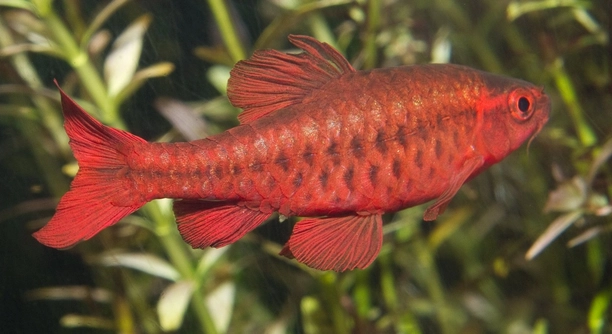
Cherry barbs are small, vibrant fish that are popular in many aquariums. Understanding when they are ready to spawn again can help ensure their breeding process is successful and stress-free. There are specific signs to look for.
The main signs that cherry barbs are ready to spawn include physical changes such as increased activity, color intensification, and behavior shifts. Males typically become more vibrant, while females develop fuller bellies as they prepare to release eggs.
Learning to recognize these signs will help you provide the best environment for your cherry barbs. By keeping an eye on their behavior, you can ensure they are ready for a successful spawning session.
Increased Activity in Cherry Barbs
When cherry barbs are ready to spawn, you’ll notice a significant increase in their activity levels. The males, in particular, will start swimming around more aggressively, chasing females and displaying their vibrant colors. This behavior is a natural part of the courtship ritual. They may also swim in circles or dart quickly from one spot to another. It’s a sign that the fish are preparing to breed and are actively searching for a mate.
During this period, it’s important to provide enough space in the tank for the fish to move around freely. If the tank is too small or overcrowded, it can cause stress, which could interfere with the spawning process. Ensuring a healthy environment with plenty of hiding spots for the females can help minimize stress and encourage the fish to spawn successfully.
It’s also crucial to monitor water quality closely during this time. Stressful conditions can prevent the barbs from spawning altogether. Keeping water parameters like temperature, pH, and hardness within the ideal range will increase the likelihood of successful breeding. When the males are actively displaying and the females appear calm and ready, it’s a strong sign they are preparing for reproduction.
Color Intensification
As the cherry barbs approach spawning, their colors will become more intense. The males will display deeper red hues, especially on their bodies and fins. This vivid coloration is a sign of readiness and a way for the males to attract the females.
The color change is part of their natural breeding behavior and helps signal to the females that they are prepared to spawn. The females, on the other hand, will usually remain more subdued in color. However, their body shape will change as they carry eggs. This visual shift is one of the most noticeable signs that the fish are preparing to breed.
Female’s Rounded Belly
One clear sign that a female cherry barb is ready to spawn is the noticeable swelling of her belly. As she prepares to lay eggs, her abdomen will become fuller and rounder. This indicates she’s carrying eggs that are ready for release.
A swollen belly on the female is an unmistakable signal that the spawning process is close. During this time, she may appear more passive, as the male actively chases her and tries to court her. The rounded belly also means she is prepared to release eggs once she’s fertilized. It’s important to provide a calm environment for the female to ensure she isn’t stressed and ready to spawn.
Additionally, a female with a rounded belly will often be seen resting or hiding more frequently, avoiding the males. This natural behavior helps her conserve energy for the spawning process. If you notice her belly swelling and the male’s increased activity, this means the pair is close to mating.
Male’s Aggressive Behavior
Males will become more aggressive when they are ready to spawn. This aggressive behavior is directed toward both the female and other males in the tank. They may chase each other, nip at fins, or compete for the female’s attention.
The intensity of this behavior increases as the males are determined to mate. They will display their bright colors and perform circling dances around the female to impress her. At times, males may even try to block other males from approaching the female. This aggressive behavior is typical in many fish species, especially during breeding seasons. It’s important to avoid interfering with their interactions, as it’s a natural part of their courtship ritual.
However, if there are too many males or the tank is overcrowded, this aggression can lead to stress and injury. Monitoring the tank’s population and ensuring it is well-maintained can help reduce the risk of harmful fights while still allowing the males to display their full courtship behavior. The more aggressive the males, the closer they are to spawning.
Increased Fin Movement
Cherry barbs will display more fin movement as they prepare to spawn. Males, in particular, will flare their fins and swim in a more exaggerated way to catch the female’s attention. This behavior signals they are ready to mate.
This increased fin movement is often accompanied by swift, sharp turns and rapid swimming. It’s a clear indication that the males are trying to show off their strength and fitness. These movements are designed to attract the female and communicate their readiness for reproduction. During this time, it’s important to ensure that the tank is large enough to allow for free movement.
Male and Female Interaction
The interaction between males and females intensifies as spawning approaches. The males become more persistent in their courtship, often following the female around and performing display rituals. The female, in turn, becomes more passive, allowing the male to court her.
These interactions can sometimes look like a chase, with the male following the female closely, trying to show off his colors and display his fins. This behavior is a sign that the fish are in the pre-spawning phase. The female may swim away briefly but will return to the male when she’s ready to spawn. This back-and-forth dance is typical in many fish species as part of the mating ritual.
Less Feeding Behavior
As cherry barbs get closer to spawning, they tend to show less interest in feeding. This behavior occurs because they are focused on the reproductive process rather than eating. You may notice that both males and females seem less interested in their regular meals.
This reduced feeding behavior is common in many fish species as they prepare for spawning. They often become more focused on the courtship and mating process, causing them to temporarily lose interest in food. It’s important to monitor them carefully during this time to ensure they are not too stressed.
FAQ
How can I tell when cherry barbs are ready to spawn?
Cherry barbs show several clear signs when they are ready to spawn. The males become more colorful, with their bodies and fins turning a deeper red. They also become more active, chasing females around and performing displays to attract them. The females will appear fuller, with a rounder belly as they prepare to release eggs. These visual and behavioral cues are the best indicators of spawning readiness.
Do I need to separate the males and females before spawning?
It’s not always necessary to separate the males and females, but providing enough space and hiding spots can help reduce stress. If you notice excessive aggression from the males or if the females seem too stressed, separating them temporarily might encourage a calmer environment for spawning. However, in most cases, cherry barbs will breed successfully in a shared tank if the conditions are right.
What water conditions are best for cherry barbs to spawn?
Cherry barbs prefer slightly acidic to neutral water with a temperature range of 74-80°F (23-27°C) for spawning. Ensuring stable water conditions is important for their reproductive success. Regular water changes, maintaining good filtration, and monitoring pH, hardness, and temperature levels can help create the ideal environment. Cherry barbs tend to spawn more successfully when they are kept in slightly softer water.
How often do cherry barbs spawn?
Cherry barbs don’t have a specific breeding season, so they can spawn multiple times throughout the year. However, they typically breed when the conditions are favorable, like after a water change or a slight temperature increase. The females will release eggs, and the males will fertilize them, often in the early mornings. Regular breeding can happen every few weeks if the conditions remain optimal.
Should I use a breeding tank for cherry barbs?
Using a breeding tank can be helpful, especially if you want to collect and protect the eggs from being eaten by the adult fish. In a breeding tank, you can ensure that the environment is ideal, without any interruptions from other fish. However, cherry barbs are not overly picky and will often breed successfully in a well-maintained community tank. A breeding tank should have gentle filtration and plenty of plants or decorations to mimic natural hiding places for the fish.
Can I breed cherry barbs in a community tank?
Yes, cherry barbs can breed in a community tank, as long as the other tankmates aren’t aggressive or likely to eat the eggs. They will usually spawn on plant leaves or in the substrate. However, there’s always a risk that the eggs or fry will be eaten by other fish, so you might want to provide some cover for the eggs. Adding fine-leafed plants like Java moss or floating plants will give the eggs a place to rest and protect them from being eaten by other tank inhabitants.
How do I care for cherry barb eggs?
Once the eggs are laid, they will usually hatch within 24-48 hours. The parents may eat the eggs, so it can help to remove them to a separate breeding tank. If you’re leaving the eggs with the parents, make sure there are plenty of hiding spots for the hatchlings. The baby barbs are very small and vulnerable, so keeping the water clean and stable is essential. The fry can be fed with infusoria or newly hatched brine shrimp.
How can I encourage cherry barbs to spawn?
To encourage cherry barbs to spawn, ensure the tank conditions are perfect. Increase the water temperature slightly or do a water change to simulate the change in their environment. Providing a well-planted tank with enough space will also make the fish feel more secure. A good diet, with high-quality live foods or frozen foods like daphnia and brine shrimp, can also help prepare them for breeding.
Do cherry barbs need any special care during spawning?
During spawning, cherry barbs don’t require anything too special beyond a calm and stress-free environment. Keep the water conditions stable, and avoid making sudden changes. If you’re hoping to collect eggs, move the fish to a breeding tank. Make sure there are places for the fish to hide, and remove any aggressive tankmates that could disturb the process.
How long does it take for cherry barbs to lay eggs?
The spawning process itself can take several hours, with the female laying eggs in small batches. Once the eggs are fertilized, they will typically hatch within 24-48 hours, depending on the temperature and water conditions. The exact timing can vary slightly based on the fish’s environment, but most eggs will hatch fairly quickly after fertilization.
Are cherry barbs easy to breed?
Cherry barbs are relatively easy to breed compared to other species of fish. They are not picky about their breeding environment, as long as they are kept in stable water conditions with a proper diet. They are also undemanding when it comes to breeding tanks, though providing the right setup can increase the chances of success.
Final Thoughts
Breeding cherry barbs can be a rewarding experience if you understand the signs and conditions that make them ready to spawn. These fish are not overly difficult to breed, but paying attention to their behavior and environment is essential. When the males show off their vibrant colors and increase their activity, it’s a good indicator that they are preparing to court the females. Similarly, a swollen belly in the females signals that they are ready to lay eggs. By keeping an eye on these signs, you can provide the ideal setting for a successful breeding experience.
Creating a good environment for spawning doesn’t require a lot of extra effort, but maintaining stable water conditions and offering a peaceful atmosphere is key. Cherry barbs prefer slightly acidic to neutral water with a temperature between 74-80°F (23-27°C), and they need enough space to move freely. Proper filtration, regular water changes, and adding plants or hiding spots can reduce stress and encourage the breeding process. If you notice any signs of aggression, especially among males, it’s important to intervene by either adding more space or providing extra hiding spots for the females.
Whether you choose to breed them in a separate tank or a community tank, the most important factor is to avoid causing stress. Cherry barbs are relatively easy to care for, and by understanding their behavior during the spawning season, you can help them breed successfully. With the right care, you can enjoy watching these beautiful fish grow and reproduce in your aquarium.

Hello,
If you enjoy the content that we create, please consider saying a "Thank You!" by leaving a tip.
Every little bit helps us continue crafting quality advice that supports the health, happiness, and well-being of pets around the world, for pets of all shapes, sizes, and species.
We really appreciate the kindness and support that you show us!